
Protect Your Gums: Foods to Avoid for Better Periodontal Health
December 19, 2024
Your gums play a vital role in maintaining a healthy smile and overall oral health. They support your teeth and act as a barrier against harmful bacteria. Poor dietary habits can harm your periodontal health, leading to gum inflammation, infections, or even tooth loss. Understanding which foods to avoid is essential to protecting your gums and ensuring long-term oral health.
In this blog, you will learn how to maintain healthy gums until consulting a periodontist in Seattle to extend protection. Keep reading to achieve a flawless smile and promote good dental hygiene.
Why Protecting Your Gums is Essential
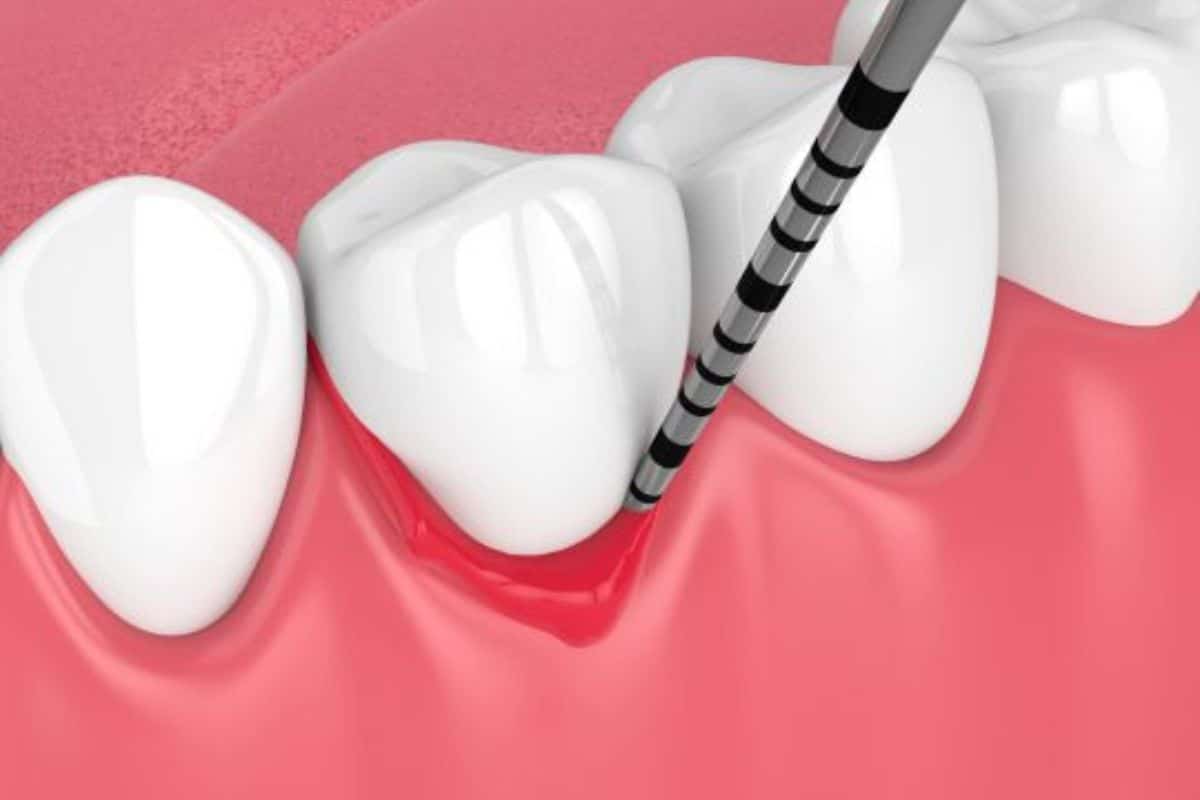
Healthy gums do more than keep your teeth in place. They prevent bacteria from entering your bloodstream, protecting your overall health. Poor gum care can lead to periodontal diseases, such as gingivitis or periodontitis. These conditions can result in swelling, bleeding, or even severe infections that damage the jawbone. Avoiding harmful foods and making mindful dietary choices is a simple yet powerful way to maintain strong gums.
Foods to Avoid for Better Gum Health
Certain foods are particularly harmful to your gums. They may increase plaque buildup, irritate gum tissues, or encourage bacterial growth. Eliminating or reducing these items from your diet can help safeguard your periodontal health.
Sugary Snacks and Candies
Sugary snacks are among the worst offenders for gum health. Sugar feeds harmful bacteria in your mouth, producing acids that erode gum tissues and cause decay. Sticky candies, such as caramels or gummies, cling to your teeth, prolonging sugar exposure. Avoid these treats or choose healthier alternatives like fresh fruit.
Carbonated Soft Drinks
Sodas are a double threat to your gums. They contain high sugar levels and acids that weaken tooth enamel. Acidic drinks can irritate gum tissues and worsen periodontal problems. Even sugar-free sodas can harm gums due to their acidic properties. Opt for water or unsweetened beverages to quench your thirst without harming your gums.
Refined Carbohydrates
White bread, chips, and crackers may seem harmless, but they break down into sugars in your mouth. These sugars feed bacteria, increasing plaque buildup and risking gum inflammation. Whole-grain alternatives are a better choice as they contain less sugar and more nutrients that support gum health.
Alcohol
Alcohol dehydrates your mouth, reducing saliva production. Saliva helps wash away food particles and neutralize harmful acids. A dry mouth creates an environment for bacteria to thrive, leading to gum irritation or infections. Limit alcohol consumption and stay hydrated with water to protect your gums.
Citrus Fruits and Juices
While citrus fruits like oranges and lemons are rich in vitamin C, their high acidity can harm gums over time. Acidic foods erode enamel and irritate sensitive gum tissues. If you consume citrus, rinse your mouth with water afterward to minimize its effects.
Popcorn and Crunchy Snacks
Popcorn kernels and hard chips can damage your gums by getting lodged between teeth or under gum tissues. These food particles create irritation and promote bacterial growth if not removed. Always floss thoroughly after eating crunchy snacks to avoid potential gum issues.
Processed Meats
Deli meats and sausages often contain high levels of salt and preservatives, which can irritate gums. Salty foods also contribute to dehydration, reducing saliva flow and increasing the risk of periodontal problems. Fresh, lean proteins are a better option for maintaining gum health.
Artificial Sweeteners
Some sugar-free foods and drinks contain artificial sweeteners, which may not directly cause decay but can alter oral bacteria balance. This imbalance may increase your risk of gum problems. Choose natural sweeteners or limit artificial sweetener intake to protect your gums.
Tips for Supporting Periodontal Health
While avoiding harmful foods is crucial, maintaining healthy gums also requires a proactive approach to oral care. Here are a few tips until visiting your Seattle dentist for a detailed gum assessment:
- Brush and Floss Daily: Brushing twice daily and flossing once removes plaque and food particles. Use a soft-bristled brush to prevent gum damage.
- Stay Hydrated: Drinking water helps flush out food particles and hydrate your gums. Saliva production is vital for oral health.
- Eat a Balanced Diet: Include gum-friendly foods like leafy greens, dairy, nuts, and fatty fish. These nourish your gums with essential nutrients.
- Visit Your Dentist Regularly: Routine dental check-ups allow your periodontist in Seattle to detect and treat gum issues early. Professional cleanings also remove plaque buildup.
- Avoid Smoking: Smoking weakens gums and increases the risk of periodontal disease. Quitting can significantly improve gum health.
Protecting your gums is key to maintaining a healthy, confident smile. By avoiding sugary snacks, acidic drinks, and other harmful foods, you reduce the risk of gum problems and improve your periodontal health. Pair these dietary adjustments with regular oral hygiene and professional care for optimal results.
A little effort goes a long way in safeguarding your gums and ensuring a lifetime of healthy smiles. Schedule a periodontal consultation First Hill Dental Center – Dr. Singh DMD to ensure you enjoy a healthy mouth for life.