
Understanding Crossbite: Symptoms, Causes, and Treatment Options
June 3, 2025
A healthy bite allows your teeth to fit together harmoniously, enabling effective chewing, clear speech, and a confident smile. However, when your upper and lower teeth don’t align properly, it can lead to a condition known as a crossbite. This common dental misalignment can affect both children and adults, and if left untreated, it may lead to discomfort and long-term oral health issues.
If you’re experiencing bite problems or uneven wear on your teeth, it might be time to have your bite evaluated by a dentist to determine whether a crossbite is the culprit.
What Is a Crossbite?
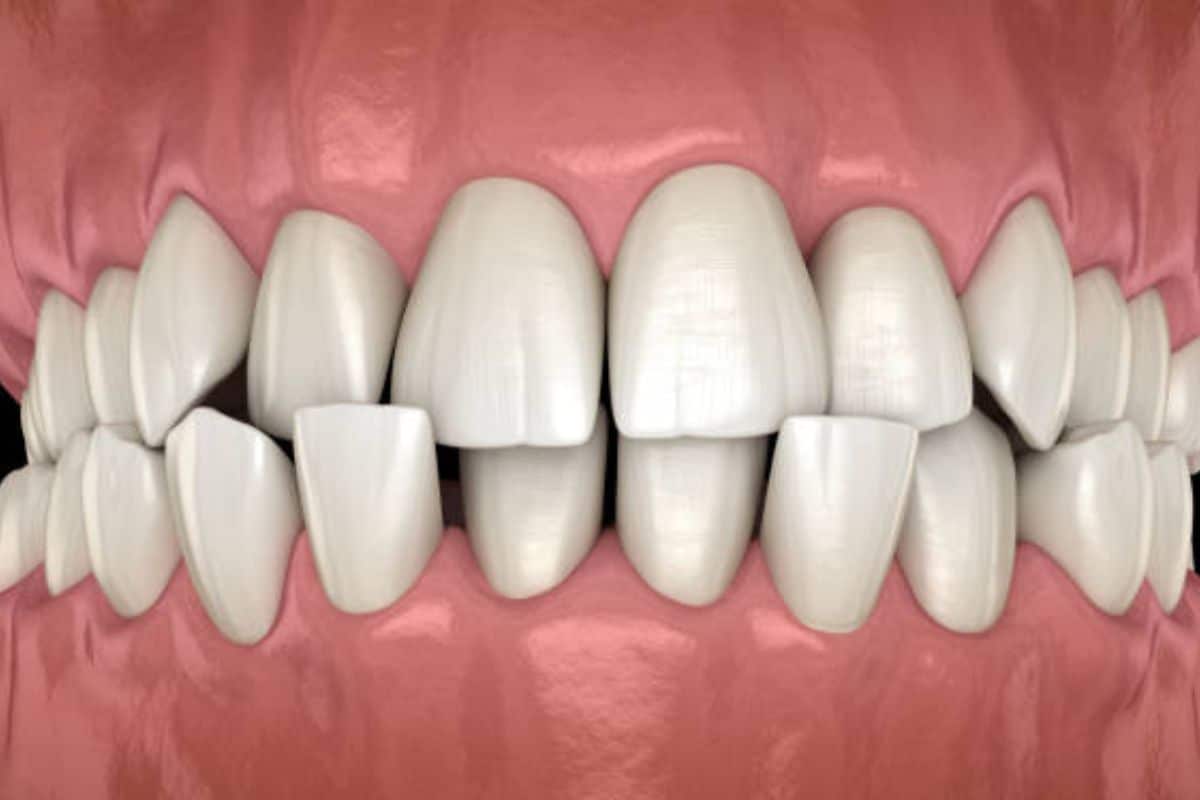
A crossbite occurs when the upper teeth bite inside the lower teeth rather than outside, which is the normal alignment. This can happen in the front (anterior crossbite) or the back (posterior crossbite) of the mouth. A crossbite can involve a single tooth or multiple teeth and may affect just one side or both sides of the mouth.
Types of Crossbites
-
Anterior Crossbite: Involves the front teeth. Often mistaken for an underbite, this occurs when the upper front teeth sit behind the lower front teeth.
-
Posterior Crossbite: Affects the back teeth, where the upper molars and premolars sit inside the lower teeth.
Common Signs of a Crossbite
Recognizing the symptoms early is key to effective treatment. Here are some signs to look out for:
-
Misaligned or uneven bite
-
Jaw pain or clicking sounds when chewing
-
Difficulty biting or chewing food
-
Speech problems or lisping
-
Facial asymmetry
-
Excessive wear or chipping of teeth
-
Teeth grinding (bruxism)
If you notice any of these symptoms, a dentist in Seattle WA can provide a thorough assessment and determine if a crossbite is present.
What Causes a Crossbite?
Crossbites can stem from several factors, including:
-
Genetics: Inherited jaw or tooth development issues
-
Delayed tooth eruption or prolonged thumb-sucking in childhood
-
Mouth breathing: Often associated with enlarged adenoids or allergies
-
Abnormal tooth positioning
-
Early loss of baby teeth without proper spacing
Early detection during childhood increases the chances of simpler, more effective correction. However, adults can also undergo successful treatment for crossbite.
Why Crossbite Should Be Treated
Leaving a crossbite untreated can result in more serious dental issues, including:
-
Uneven tooth wear and enamel erosion
-
Increased risk of tooth decay and gum disease
-
Chronic jaw pain (TMJ disorders)
-
Bone loss around affected teeth
-
Chewing or speech difficulties
-
Aesthetic concerns that affect confidence
A licensed dentist in Seattle WA can offer a personalized treatment plan that not only addresses the crossbite but also prevents long-term complications.
Treatment Options for Crossbite
Thankfully, modern dentistry offers several effective treatments based on the severity and age of the patient:
1. Braces
Traditional metal braces are a common solution for aligning teeth and correcting bite issues. They apply constant pressure to move teeth into proper alignment.
2. Invisalign or Clear Aligners
For mild to moderate cases, clear aligners like Invisalign can be a discreet and comfortable way to fix a crossbite—popular among adults and teens.
3. Palatal Expanders
Typically used in children, these devices widen the upper jaw over time to correct posterior crossbite.
4. Surgical Options
In more severe cases or in adults with skeletal crossbite, jaw surgery may be necessary to realign the bones and correct the bite.
A dentist in Seattle WA who specializes in orthodontic care can recommend the most appropriate treatment after a comprehensive dental evaluation.
When to See a Dentist
If you or your child shows signs of misaligned teeth or bite issues, don’t delay. Crossbites tend to worsen over time if not treated. Early intervention makes treatment faster, more effective, and often less invasive.
At our practice, our experienced dentist in Seattle WA uses advanced diagnostic tools to identify the root cause of crossbite and offer tailored solutions that promote lasting oral health and comfort.
Conclusion
A crossbite isn’t just a cosmetic concern—it can impact your overall oral function and health. Whether you’re an adult living with discomfort or a parent concerned about your child’s dental development, professional evaluation is the first step to a healthier smile. If you suspect a crossbite or are experiencing jaw pain, uneven wear, or difficulty chewing, don’t wait. Schedule a consultation with First Hill Dental Center – Dr. Singh DMD to explore your treatment options and restore balance to your bite.