
The Hidden Details Behind Dental Implant ‘Lifetime Guarantees’
November 28, 2025
Dental implants have become the go-to treatment for anyone wanting to replace missing teeth. They are the most long-lasting and natural-looking choice. Most dental offices, including those in Seattle, promote dental implant treatments with a “lifetime guarantee.” However, it is necessary to understand the conditions of those guarantees before you decide to undergo the treatment. For how long does a lifetime guarantee really last? And are these guarantees as simple as they seem?
If you are planning to get dental implants in Seattle, this blog will give you a clear breakdown of what you need to know about these guarantees, the dental implant life span, and the factors that influence their durability.
What Are Dental Implants?
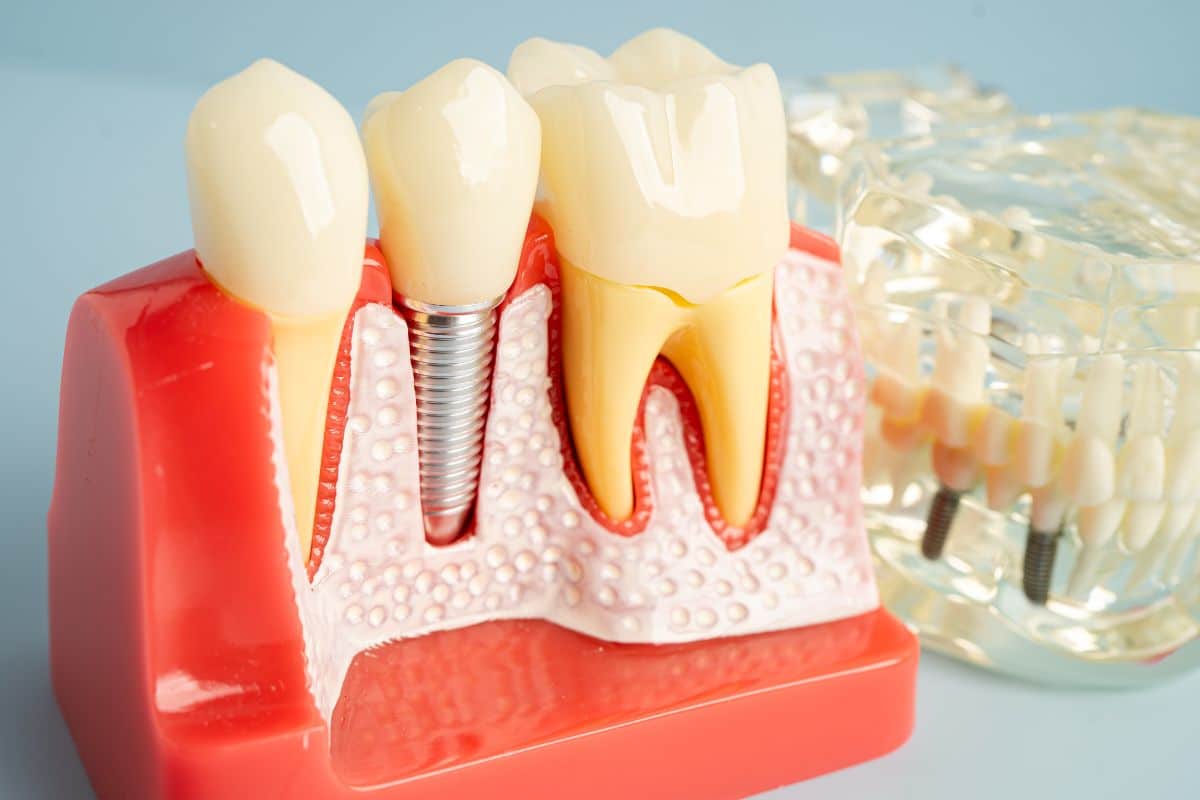
Dental implants replace missing teeth with artificial roots made of titanium that are surgically placed in the jawbone. Over time, the implants fuse with the bone, providing a stable foundation for replacement teeth or dentures. Unlike traditional bridges or dentures, implants are considered a long-term solution because they replicate natural tooth roots.
Generally, dental implants are designed to last a lifetime. But in fact, their success depends on several factors, including the condition of the jawbone, their care, and the quality of dental care.
The Truth Behind ‘Lifetime Guarantees’
Dental clinics sometimes tout a “lifetime guarantee” as if it were a done deal. However, an understanding of this offer is essential. Most of the time, a lifetime guarantee applies only to the dental implant post (the titanium part that goes into the jawbone). The warranty usually does not cover the crown or restoration placed on top of the implant.
In reality, a lifetime guarantee generally covers implant failure due to issues like the post loosening or failing to fuse with the bone. However, factors like bone quality, oral hygiene, and lifestyle choices, which can impact the implant’s longevity, are not always covered.
What’s Not Covered by the Guarantee?
- Crown or Restoration: The restoration or crown placed on the implant often needs replacement after several years, and the guarantee typically doesn’t cover this.
- Oral Care Negligence: A lifetime guarantee might be voided if the implant fails due to poor hygiene, smoking, or other habits that affect the health of your gums and bone.
- Accidental Damage: If the implant or restoration is damaged due to an accident (e.g., a fall), most guarantees won’t cover repair costs.
- Gum Disease: Infection or gum disease (peri-implantitis) around the implant can lead to its failure, and treatment for this is usually not covered by a lifetime guarantee.
What Affects the Lifespan of Your Dental Implants?
While “lifetime guarantees” can provide peace of mind, the longevity of implants can be influenced by several factors. On average, implants can last 10 to 30 years. In some cases, with long-term implant care, they can last longer.
Those factors that affect the longevity of the dental implants in Seattle are:
- Bone Quality: This refers to the quality of the jaw bones and their density. The health of the bones will affect the longevity of the implants. Implants will work better in people with healthy bones.
- Implant Material: Titanium implants represent the majority of implants used today. This is because Titanium implants are biocompatible. The term biocompatible refers to the ability of this type of implant to coexist readily with the body’s biological tissues.
- Oral Hygiene: Like natural teeth, implants also require regular cleaning to prevent plaque buildup. If this happens, the implant can fail due to infections and gum disease.
- Lifestyle Factors: Smoking, teeth grinding, and poor dietary habits can shorten the lifespan of dental implants.
Ensuring the Longevity of Your Dental Implants
Correct care will help ensure the implants last for many years. Even though dental implants in Seattle can be strong enough to last a lifetime, they also need proper care. The following steps will help you make them long-lasting:
- Routine Check-Ups: This will help you visit a dentist to check the condition of the implant and the surrounding tissues. They will also clean the area to remove any plaque deposits.
- Proper Oral Hygiene: Brush the implants twice a day and floss around the implants to prevent gum disease. Additionally, you may need to clean the area around the implant with a specific brush.
- Avoid Smoking: Smoking slows down the healing process and can cause gum disease, which can fail the implants.
- Care for Your Implants: Avoid chewing hard or tough foods and grinding your teeth. This will help you to avoid damaging the implants and the tissue supporting them.
- Follow Post-Surgery Instructions: To guarantee proper healing of the dental implants, you must strictly follow the dentist’s post-surgery care and recommendations regarding the consumption of hard foods.
Common Reasons for Dental Implant Failure
Dental implants are generally reliable, but failures can occur. Some common reasons for implant failure include:
- Infection: Bacterial infections at the implant site can lead to implant failure if left untreated.
- Poor Bone Integration: If the implant fails to fuse properly with the bone, it may not be stable enough to support a restoration.
- Gum Disease: Poor oral hygiene can cause gum disease (peri-implantitis), compromising the implant’s stability and increasing the risk of failure.
The Importance of Regular Checkups for Implant Health
While dental implants are durable, regular dental implant checkups are essential to monitor their condition and ensure they continue to function as expected. These checkups allow your dentist to catch potential issues early, such as infection or bone loss, and address them before they lead to implant failure.
Conclusion: Take Care of Your Implants for Lasting Results
Dental implants offer a reliable solution for replacing missing teeth and restoring your smile. While lifetime guarantees can provide peace of mind, they don’t cover everything related to the implant’s health and longevity. Taking proper care of your implants and following your dentist’s recommendations are key to ensuring they last for many years.
If you’re in Seattle and considering dental implants, it’s essential to consult a trusted professional who can guide you through the process and provide ongoing care. At First Hill Dental Center – Dr. Singh DMD, we are here to support your journey to a healthier smile with high-quality dental implants and expert care.
Frequently Asked Questions
- How long do dental implants last?
Dental implants can last anywhere from 10 to 30 years with proper care. Regular checkups and good oral hygiene help ensure their longevity.
- Is the crown part of the implant covered by the lifetime guarantee?
No, most lifetime guarantees only cover the implant post itself, not the crown or restoration placed on top. These may need replacement over time.
- How often should I visit my dentist after getting implants?
It’s recommended to visit your dentist at least once a year for checkups to monitor the condition of your implant and surrounding tissues.
- What can cause dental implant failure?
Infection, poor bone integration, gum disease, and poor oral hygiene are the most common causes of implant failure.
- Can I eat normally with dental implants?
Yes, dental implants function like natural teeth. However, avoid hard foods that may damage the implant or restoration.
- How should I care for my dental implants?
Brush your implants twice a day, floss around them, and visit your dentist regularly for cleanings to maintain healthy gums and bone structure.
- What happens if my dental implant fails?
If an implant fails, your dentist will assess the situation and may recommend removing the implant and placing a new one, often with additional treatments like bone grafting.