
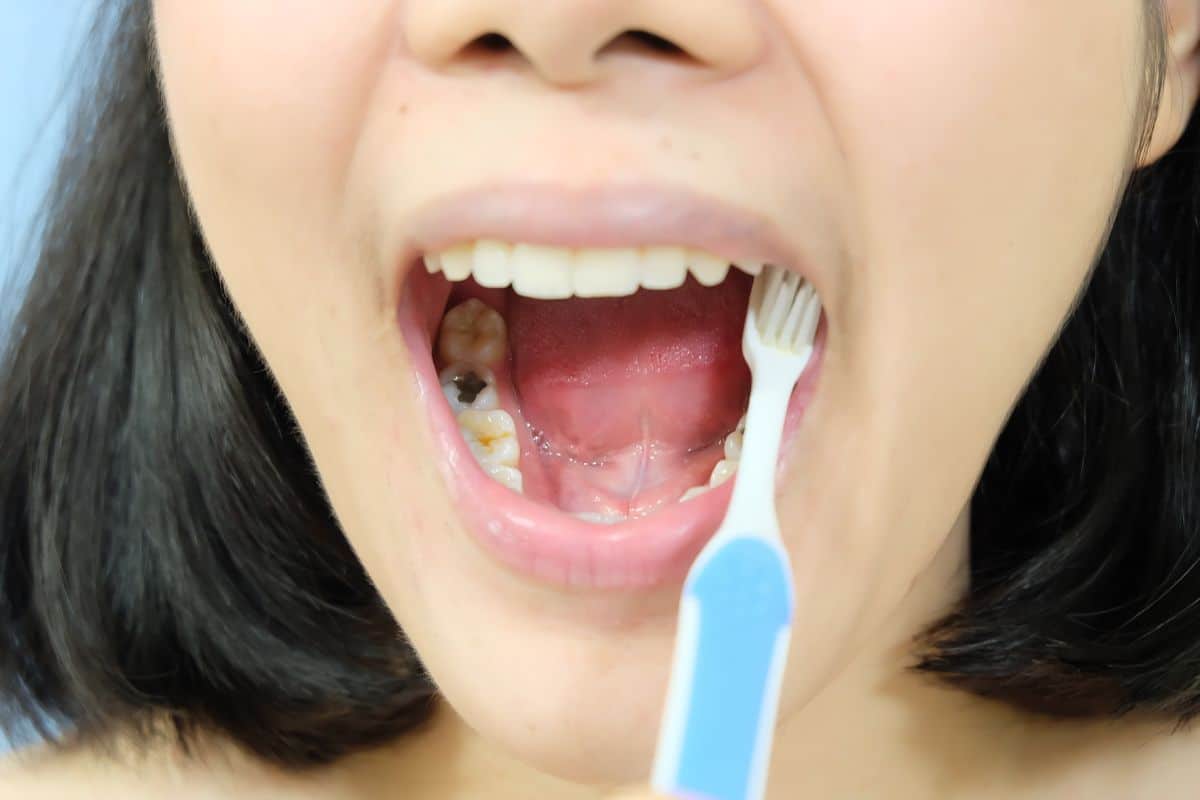
Cavities Or Gum Disease – Which Is Affecting Your Smile?
December 29, 2025
Living in Seattle means embracing coffee culture, busy workdays, and an active lifestyle—often all in the same day. Between morning commutes in the rain and late evenings downtown, oral care can slide down the priority list. Yet regular visits to a regular dental care provider play a critical role in preventing silent dental problems that grow worse over time.
What many people do not realize is that early warning signs often go unnoticed. Small areas of decay or subtle tissue irritation rarely cause pain at first. A trusted dental professional can identify these concerns early, before they disrupt daily life or lead to complex treatments.
Understanding The Difference Between Tooth Decay And Periodontal Problems
Tooth decay begins when harmful bacteria break down enamel after repeated exposure to sugars and acids. Over time, this erosion weakens tooth structure. In contrast, periodontal conditions affect the supporting tissues around teeth, including gums and bone. Both issues progress quietly, which is why routine exams matter.
In Seattle, cooler weather and frequent coffee consumption increase the risk of tooth sensitivity and enamel wear. Add in stress from long work hours, and oral health often reflects those habits faster than expected.
Why Early Diagnosis Matters More Than Most People Think?
Early evaluation allows dental professionals to stop damage before it spreads. When addressed promptly, minor surface erosion can often be managed conservatively. Soft tissue inflammation, if caught early, may be reversed through targeted hygiene guidance and professional care.
Without timely attention, these problems deepen. What starts as mild irritation can turn into infection, bone loss, or chronic discomfort. This is why seeing a dentist in Seattle consistently matters for long-term oral stability.
Emerald City’s residents also face unique factors, such as seasonal dryness from indoor heating and frequent temperature fluctuations. These conditions can worsen enamel erosion, making early care even more critical.
Signs You Might Be Overlooking
Daily routines often mask developing dental concerns. Watch for subtle changes such as:
- Bleeding during brushing
- Persistent bad taste
- Sensitivity to hot coffee or cold air
- Receding tissue near the tooth base
- Changes in bite comfort
These symptoms may point to early signs of tooth decay or underlying tissue irritation. Left untreated, progression becomes harder to control.
How Early Intervention Preserves Natural Teeth Longer?
One of the most significant advantages of identifying problems early is preservation. When issues are identified early, treatment focuses on strengthening existing structures rather than replacing them. This approach protects natural teeth for decades. Early care also reduces inflammation in surrounding tissues. Healthy support structures mean better chewing comfort, improved stability, and fewer future complications. Residents who prioritize preventive visits often maintain stronger oral foundations well into later years.
The Role Of Technology In Identifying Hidden Problems
Modern dental evaluations go far beyond visual checks.
Advanced imaging tools detect changes beneath the surface that are impossible to feel or see at home. These tools help identify early mineral loss, tissue breakdown, and structural weaknesses. In a tech-forward city like Emerald City, patients value precision. Digital diagnostics allow professionals to create accurate care plans that focus on prevention, not reaction. This level of insight leads to more predictable outcomes and long-term oral stability.
How Early Professional Care Supports Overall Wellness?
Routine assessments include more than cleanings. Dentists examine bite alignment, tissue health, and areas not visible at home. Tools like digital imaging and periodontal measurements help identify plaque buildup around teeth before it becomes destructive. Seattle’s fast-paced lifestyle often delays appointments. Yet consistent monitoring prevents emergencies and supports long-term function. Early care also reduces the chance of infection spreading beyond the mouth, which research links to broader health concerns.
What Does A Preventive-Focused Dental Visit Really Include?
Many people assume appointments focus only on cleaning. In reality, preventive visits include:
- Tissue health assessment
- Bite and alignment evaluation
- Early wear pattern detection
- Oral cancer screening
- Personalized hygiene guidance
This comprehensive approach ensures every part of the mouth functions together properly. It also empowers patients with knowledge they can use daily.
When To Schedule An Evaluation?
If it has been over six months since your last exam, or if symptoms appear, it is time to act. Prompt evaluation ensures concerns are addressed before pain or infection develops. A reliable dentist in Seattle provides clarity and peace of mind through proactive care.
Protect Your Oral Health With Patient-First Dental Guidance
Your oral health affects how you eat, speak, and feel each day. Addressing issues early helps preserve comfort, function, and confidence. Regular checkups help identify and manage problems before they disrupt your routine. Thus, choosing our dentist in Seattle means choosing prevention, clarity, and long-term stability. At First Hill Dental Center – Dr. Singh DMD, your care is focused on prevention, precision, and patient comfort. If you value proactive dental care and clear answers, now is the right time to schedule your visit. Book an appointment today and take control of your oral health before minor concerns become untreatable problems.
FAQs
How can I tell if a problem is starting without pain?
Many oral issues progress silently. Changes in sensitivity, tissue color, or breath can indicate early concerns. Routine exams catch problems before discomfort appears.
Can brushing alone prevent decay and tissue problems?
Home care is essential but incomplete. Professional cleanings remove hardened deposits and detect issues that brushing cannot reach or identify.
Why do gums recede even with good hygiene?
Recession may result from brushing pressure, bite issues, or inflammation. A dental evaluation identifies the cause and guides corrective steps.
Does coffee increase dental risk?
Frequent coffee consumption exposes teeth to acids and staining compounds. Proper hygiene and professional care reduce long-term effects.
How often should adults schedule evaluations?
Most adults benefit from exams every six months. Individual risk factors may require more frequent monitoring for optimal oral health.