
Cavity Treatment Has Changed: Here’s the No-Drill Option
February 9, 2026
For many people, the word “cavity” still brings up one image, the sound of a dental drill. For years, treating tooth decay meant removing the damaged area with a drill and placing a filling. While that approach is still effective, dentistry has made important progress. Today, early cavities can sometimes be treated without drilling at all.
At First Hill Dental Center – Dr. Singh DMD, the focus is on preserving natural tooth structure whenever possible. If you are looking for a local Seattle dentist who values conservative and evidence-based care, it helps to understand how no-drill cavity treatment works and when it may be an option.
Understanding Early Cavities
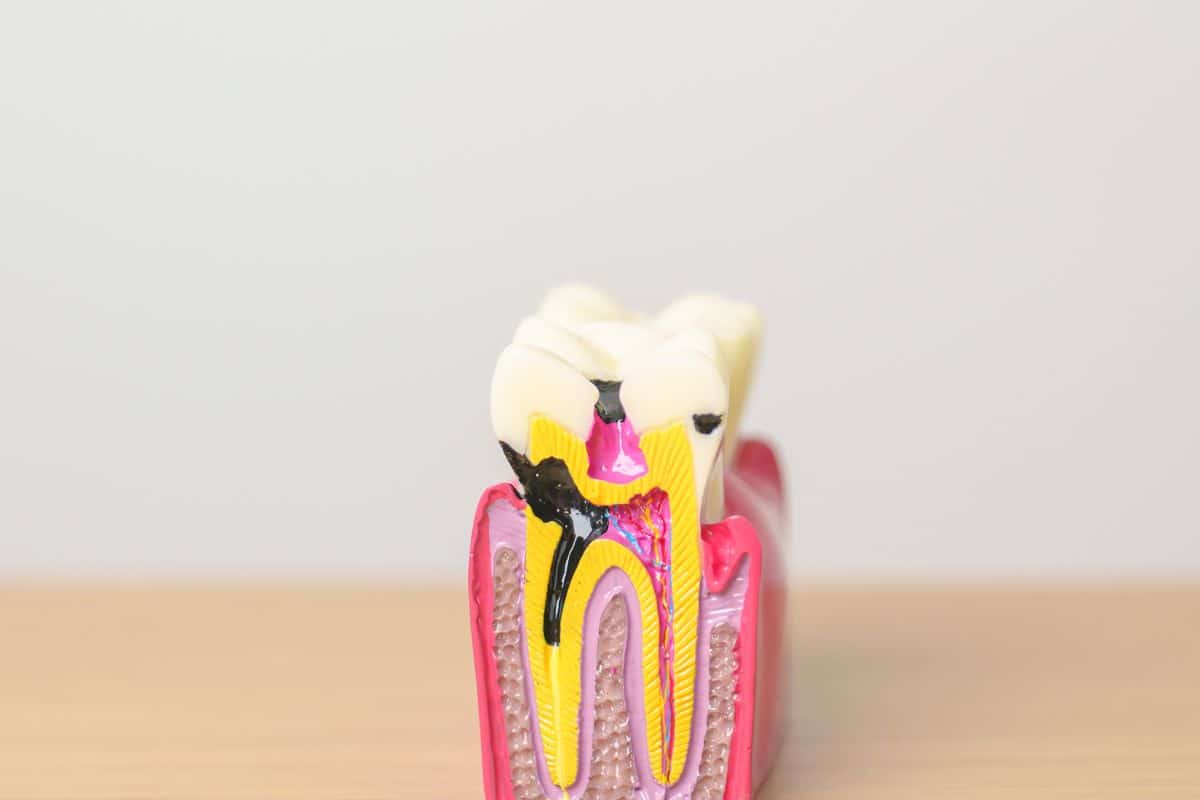
A cavity does not form overnight. Tooth decay begins when bacteria in the mouth feed on sugars and produce acids. These acids weaken the enamel, the hard outer layer of the tooth. In the early stage, this damage may appear as a small white or chalky spot. At this point, the surface of the tooth may still be intact.
When decay is caught early, it may not require a traditional filling. Instead of removing tooth structure with a drill, the goal is to stop or reverse the process. This approach protects more of your natural tooth and often feels less intimidating. Regular dental exams play a key role. A dentist in Seattle who emphasizes preventive care can often detect these early changes before they become larger problems.
What Is No-Drill Cavity Treatment?
No-drill cavity treatment focuses on managing decay before it creates a hole in the tooth. There are two main approaches commonly used in modern dental care. One method is remineralization. This involves applying fluoride or other mineral-based treatments to strengthen weakened enamel. These products help restore minerals that were lost during the early stages of decay.
Another option is resin infiltration. In this technique, a special liquid resin is placed on the affected area. The resin flows into the tiny pores of the weakened enamel and hardens. This blocks bacteria and acids from moving deeper into the tooth. The surface remains smooth, and no drilling is required. Both methods are designed for early cavities only. If decay has already formed a deeper cavity, a filling may still be necessary.
Why Avoiding the Drill Can Be Beneficial
Traditional fillings are safe and reliable. However, any time a drill is used, a small amount of healthy tooth structure may also be removed. No-drill options aim to keep as much natural enamel as possible.
There are other benefits as well:
-
Often no need for local anesthesia
-
Shorter and more comfortable appointments
-
Reduced anxiety for patients who fear dental procedures
-
Preservation of natural tooth strength
These treatments can be especially helpful for children, teens, and adults who feel nervous about dental visits. They also support a more conservative philosophy of care. If you have been putting off a checkup because of worry about drilling, this may be a good time to schedule an evaluation. Early detection creates more choices.
Who Is a Good Candidate?
Not every cavity can be treated without a drill. The key factor is timing. No-drill treatments work best when decay is limited to the outer enamel layer and has not created a visible hole.
You may be a candidate if:
-
Your dentist finds a white spot lesion during an exam
-
X-rays show very early decay between teeth
-
The tooth surface is still intact
-
You maintain good oral hygiene
A thorough exam, including digital imaging, helps determine the right approach. An experienced dentist in Seattle will assess the depth of decay and explain your options clearly.
The Role of Prevention in Modern Dentistry
The shift toward no-drill treatment reflects a larger change in dentistry. The focus is no longer only on fixing problems but also on preventing them. Preventive care includes routine cleanings, fluoride treatments, sealants for children, and guidance on home care. Simple habits such as brushing twice a day with fluoride toothpaste, flossing daily, and limiting sugary snacks make a significant difference.
At First Hill Dental Center – Dr. Singh DMD, patient education is part of every visit. When patients understand how cavities form, they are better prepared to prevent them. If it has been more than six months since your last checkup, consider booking an appointment. A timely exam could mean the difference between a small, no-drill treatment and a larger restoration later.
What to Expect During a No-Drill Visit
If you qualify for a no-drill procedure, the process is straightforward. The tooth is first cleaned and isolated to keep it dry. A conditioning gel may be applied briefly to prepare the enamel. Then the resin or remineralizing agent is placed.
For resin infiltration, a special light is used to harden the material. The treated area blends with the natural tooth color. Most patients report little to no discomfort during the procedure.
After treatment, you can usually return to normal activities right away. Your dentist will provide instructions for maintaining the health of the treated tooth.
When a Traditional Filling Is Still Needed
It is important to be realistic. No-drill treatments are not a replacement for all fillings. If decay has progressed into the dentin, the softer layer under enamel, removing the damaged tissue is necessary to prevent infection. A transparent conversation with your dental provider is essential. The goal is always to choose the treatment that protects your long-term oral health. Sometimes that means a conservative resin treatment. Other times, it means a well-placed filling. Choosing a dentist in Seattle who explains both the benefits and the limits of each option helps you make an informed decision.
Making Informed Choices About Your Oral Health
Dentistry continues to improve, but the foundation remains the same: early detection and patient involvement. No-drill cavity treatment offers a gentler option for managing early decay. It reflects a commitment to preserving natural teeth and reducing unnecessary intervention. If you are curious whether you qualify for this approach, schedule a consultation with us. A careful evaluation can determine the stage of any decay and outline the most appropriate plan.
Taking action early can protect your smile, reduce the need for complex procedures, and keep your dental visits comfortable. Whether you need preventive care, a no-drill treatment, or a traditional filling, partnering with a knowledgeable dentist in Seattle ensures that your care is based on sound clinical judgment and your individual needs. Your oral health is an investment. By staying informed and seeking timely care, you give yourself the best chance to keep your natural teeth healthy for years to come.
FAQs
1. What is a no-drill cavity treatment?
A no-drill cavity treatment is a modern dental method that treats early tooth decay without using traditional dental drills. Dentists may use techniques such as special fluoride treatments, resin infiltration, or other minimally invasive methods to stop the decay and protect the tooth.
2. Is no-drill cavity treatment safe and effective?
Yes, when cavities are detected early, no-drill treatments can be a safe and effective way to stop tooth decay from progressing. Your dentist will determine if this option is appropriate based on the stage of the cavity.
3. Who is a good candidate for no-drill cavity treatment?
Patients with early-stage tooth decay or small cavities are often good candidates for no-drill treatments. However, larger or deeper cavities may still require traditional fillings.
4. Does no-drill cavity treatment hurt?
No-drill treatments are typically painless because they avoid drilling into the tooth. Many patients find this approach more comfortable and less stressful than traditional cavity treatment.
5. Can no-drill cavity treatments prevent future cavities?
While no treatment can completely prevent cavities, no-drill methods can help strengthen tooth enamel and slow the progression of decay. Maintaining good oral hygiene and regular dental checkups is still essential for preventing future cavities.