
Signs Your Crown Needs to Be Replaced or Adjusted
July 15, 2026
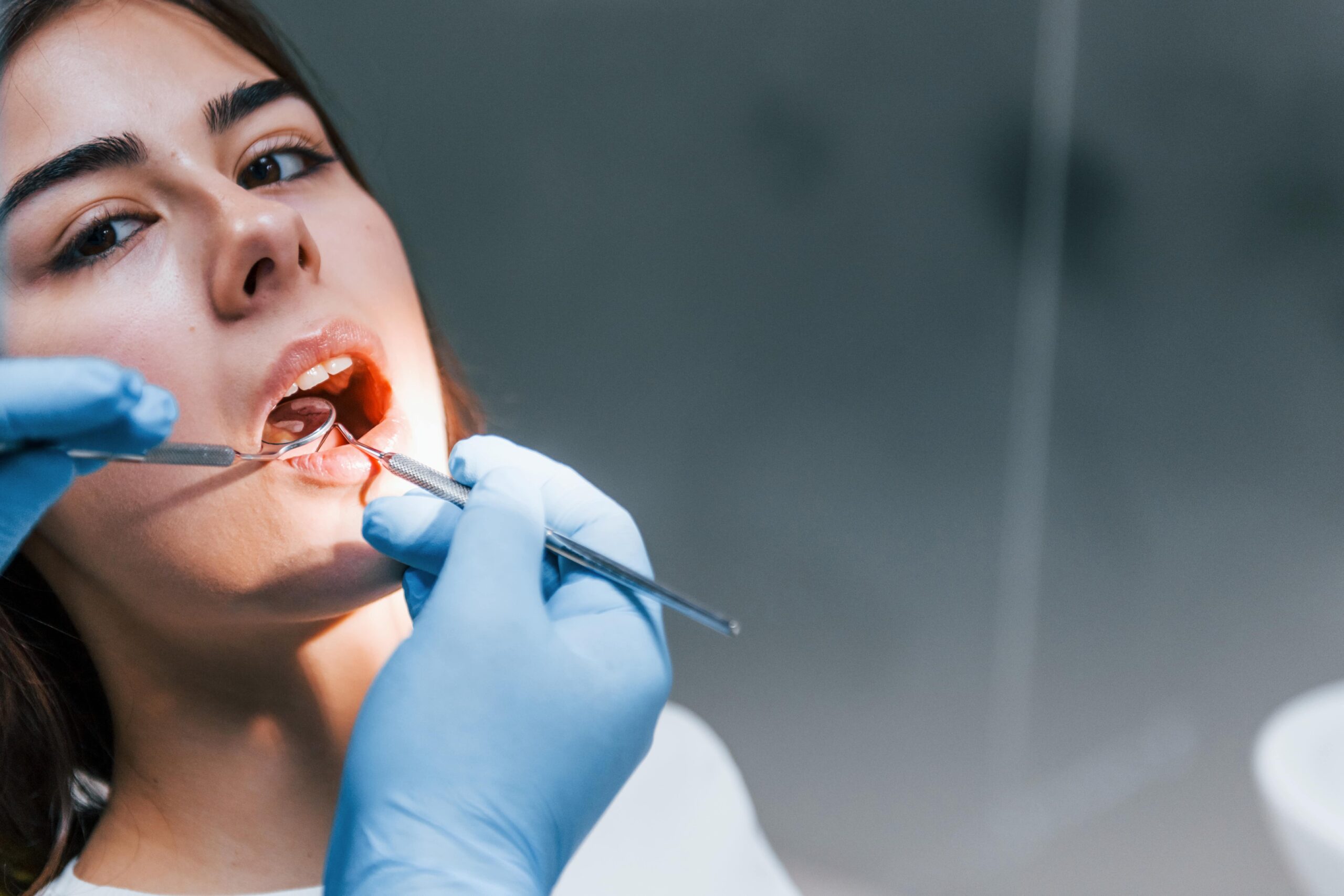
A dental crown is built to last for years, sometimes decades, but it isn’t meant to last forever. If you’ve started noticing new sensitivity, a strange bite, or a crown that feels different than it used to, your body may be telling you it’s time for a checkup. Recognizing the signs your dental crown needs to be replaced or adjusted early can mean the difference between a simple fix and a more involved repair. At First Hill Dental Center, we routinely see Seattle patients who waited too long to have a crown evaluated, only to need more extensive treatment than if they’d come in at the first sign of trouble.
In short: A crown that needs attention often causes new sensitivity to hot or cold, visible cracks or wear, a loose or shifting feel, gum irritation at the edges, or a change in your bite. Any of these signs is a reason to schedule an evaluation before the underlying tooth is affected.
How Long Does a Dental Crown Typically Last?
Most dental crowns are designed to hold up for 10 to 15 years, and many last even longer with good oral hygiene and regular dental visits. Materials matter here. Porcelain and cast gold crowns tend to outperform composite or resin-based restorations, which is one reason our Seattle dental office often recommends more durable materials for patients who want a truly long-term solution rather than a restoration they’ll need to redo every several years. Even the best crown, however, is still subject to daily wear from chewing, grinding, and the natural aging of the tooth underneath it.
Seven Warning Signs Your Crown May Need Attention
Persistent sensitivity or pain. A little sensitivity right after placement is normal, but ongoing discomfort with hot, cold, or sweet foods months or years later usually points to a problem. This can mean the crown’s seal has broken down, decay has developed underneath it, or the tooth’s nerve has become irritated.
Visible cracks, chips, or wear. Crowns absorb a lot of daily pressure. Small chips at the edges or visible cracks in the surface are structural warning signs, not just cosmetic ones, since they create openings where bacteria can reach the tooth underneath.
A loose or shifting crown. If your crown feels like it moves slightly when you bite down, or if it comes off entirely, the cement bond has likely failed. A loose crown should never be ignored, since it leaves the prepared tooth exposed and vulnerable.
Gum irritation or swelling around the crown. Redness, tenderness, or puffiness at the gumline near a crowned tooth can signal that the margin no longer fits properly, allowing bacteria to collect where the crown meets the gum tissue.
A dark line or discoloration at the gumline. This is more common with older metal-based crowns and is generally a cosmetic concern rather than a structural one, but it’s still worth mentioning at your next visit, especially if the crown is on a front tooth.
Difficulty chewing or a change in your bite. If chewing on one side feels different, or your bite seems off since a crown was placed, the crown may have shifted, worn unevenly, or no longer aligns correctly with the opposing teeth.
A lingering bad taste or odor near the crown. This can indicate a small gap has formed between the crown and the tooth, allowing food particles and bacteria to collect in a spot that’s difficult to clean with regular brushing.
When a Crown Can Be Adjusted vs. When It Needs Replacing
Not every issue calls for a brand-new crown. Minor bite misalignment or a slightly rough edge can often be smoothed and adjusted chairside in a single visit. However, a cracked crown, one with decay developing underneath, or one that has come loose repeatedly typically needs to be remade. Our team evaluates each case individually with an exam and, when needed, digital imaging to see what’s happening beneath the surface before recommending a path forward.
Why Choosing a Durable Crown Material Matters Long-Term
Patients are sometimes surprised to learn that standard fillings, even the tooth-colored kind, typically only last 8 to 12 years before they need to be replaced with something larger. This is part of why our Seattle dental office often steers long-term patients toward more permanent restorative options like cast gold or baked porcelain crowns, which are built to preserve the natural tooth structure and reduce how often you’ll need repeat dental work down the road.
What Happens If You Ignore These Signs?
Putting off a crown evaluation rarely makes the problem smaller. A small crack can widen. A loose crown can trap bacteria against the tooth, leading to decay that wasn’t there before. In some cases, what starts as a simple adjustment can turn into a root canal or extraction if left unaddressed for too long. Catching these signs early is almost always faster, less invasive, and more affordable than waiting for a dental emergency.
FAQ
How do I know if my crown is failing?
Common signs include new sensitivity, a crown that feels loose or shifts when you bite, visible cracks, gum swelling near the crown, or a change in how your teeth come together. Any of these warrants a dental exam.
Is it normal for a crown to feel loose after several years?
It can happen as the cement bond wears down naturally over time, but a loose crown should be checked promptly rather than left in place, since it can allow bacteria to reach the tooth underneath.
Can a cracked crown be repaired, or does it need to be replaced?
It depends on the size and location of the crack. Small surface chips can sometimes be smoothed or bonded, but a crack that runs through the crown or exposes the tooth beneath it usually means a replacement is needed.
Does a failing crown always cause pain?
Not always. Some patients notice a change in bite, a rough edge, or gum irritation before any pain develops, which is why routine dental checkups are important even without symptoms.
How often should a dental crown be checked by a dentist?
Crowns should be examined at your regular six-month dental visits, but you shouldn’t wait for a scheduled appointment if you notice sensitivity, looseness, or discomfort in the meantime.