
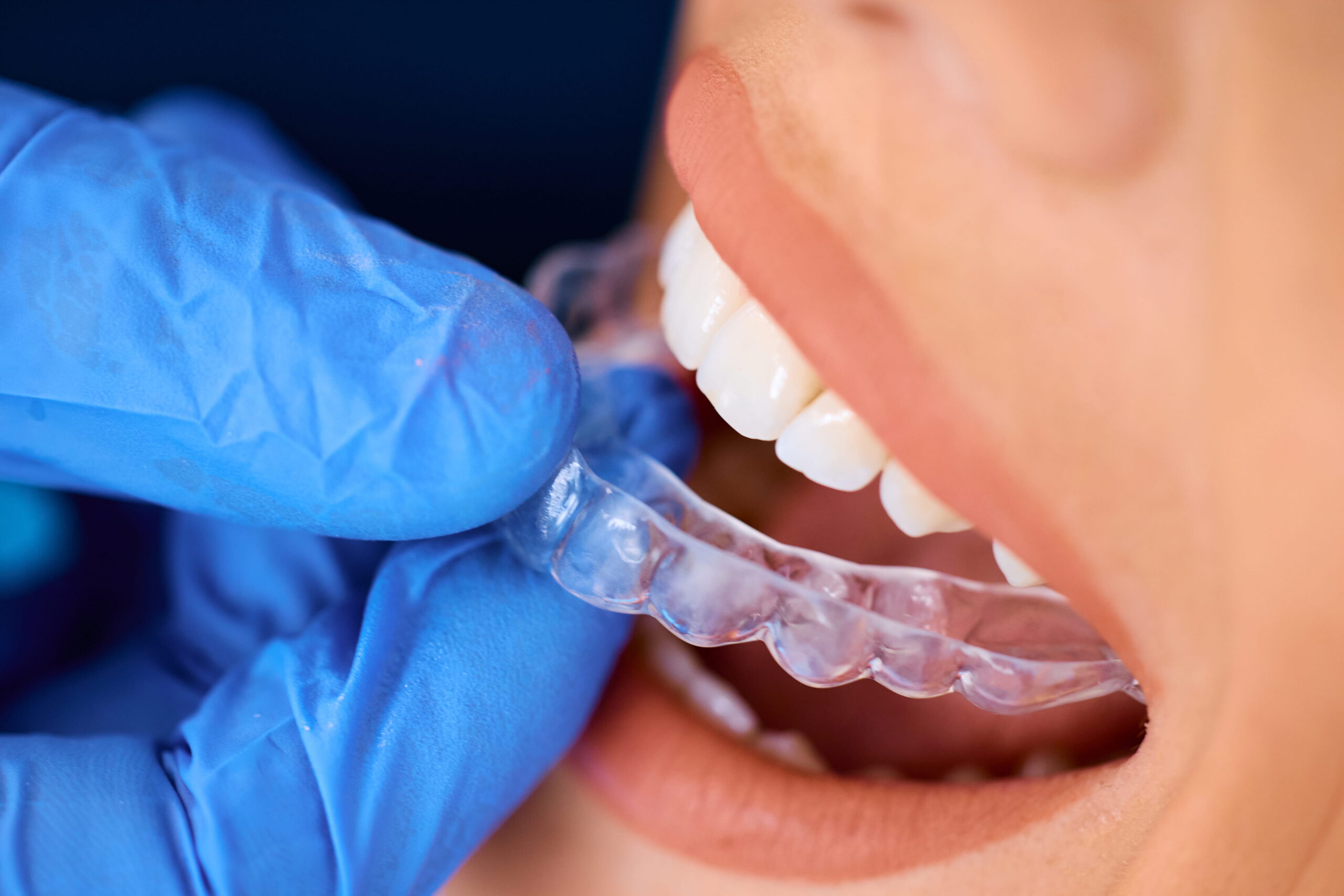
How Much Does Orthodontic Treatment Cost in Seattle? Guide to Insurance & Financing
July 21, 2026
If you’ve started researching a straighter smile, one question almost always comes first: what will it actually cost? Whether you’re weighing traditional braces or clear aligners, understanding orthodontic treatment cost in Seattle before your first consultation helps you budget with confidence and avoid surprises down the road. Between insurance benefits, in-house financing, and the different price points for braces versus Invisalign, the numbers can feel confusing — but they don’t have to be. At First Hill Dental Center, our Seattle team walks patients through exactly what drives the price of their treatment plan and how to make it fit their budget.
Quick Answer: Orthodontic treatment in Seattle typically costs between $3,000 and $8,000, depending on whether you choose traditional braces or Invisalign clear aligners and how complex your case is. Many dental insurance plans include an orthodontic benefit of $1,000–$3,000, and most practices offer monthly financing to cover the rest.
What Determines the Cost of Orthodontic Treatment?
No two smiles are alike, which is why orthodontic pricing is never a flat, one-size-fits-all number. Instead, your Seattle orthodontist bases your quote on several factors:
- Case complexity — mild crowding or spacing costs less to correct than a significant overbite, underbite, or crossbite.
- Treatment length — a short, minor correction may wrap up in a few months, while comprehensive cases can run 12 to 24 months.
- Type of appliance — traditional metal braces, ceramic braces, and clear aligners are each priced differently based on materials and the technology involved.
- Diagnostic technology — practices using digital scanning and 3D treatment simulation, rather than traditional impressions, often build that added precision into the overall fee.
- Retention and follow-up care — the cost of retainers and post-treatment checkups is sometimes bundled into your total plan.
Because these variables shift from patient to patient, the only way to get an exact number is a hands-on consultation and oral exam — but understanding national pricing benchmarks gives you a realistic starting point.
Average Cost of Braces vs. Invisalign
Nationally, traditional metal braces tend to run between $3,000 and $7,000 for a full course of treatment, making them one of the more budget-friendly options, particularly for moderate-to-complex bite corrections. Ceramic braces, which use tooth-colored brackets for a more discreet look, typically land somewhat higher.
Invisalign and other clear aligner systems generally fall in a similar $3,000–$8,000 range, though minor “express” cases that need only a few months of alignment can cost less, while comprehensive cases addressing significant misalignment sit at the higher end. In many cases today, the price gap between braces and Invisalign has narrowed considerably, so the decision often comes down to lifestyle and comfort preferences rather than cost alone. Patients who want a nearly invisible option, removable trays for eating and cleaning, and fewer office visits tend to gravitate toward Invisalign, while patients with more complex bite issues sometimes still benefit most from traditional brackets and wires.
Does Dental Insurance Cover Orthodontics?
Many dental insurance plans include a separate orthodontic benefit, distinct from your annual cleaning and restorative maximum, often in the range of $1,000 to $3,000 as a lifetime allowance. Coverage details vary widely by plan and carrier, and some employer plans only extend orthodontic benefits to dependents under 18, while others cover adults as well. Before starting treatment, our Seattle dental team will help verify your specific benefits and outline what portion of the cost your plan is likely to cover, so there are no surprises once treatment begins.
If you don’t currently have dental insurance, that doesn’t mean orthodontic care is out of reach. FSA and HSA accounts can also be applied toward braces or Invisalign, giving you a tax-advantaged way to cover part of the expense.
Financing Options for Orthodontic Treatment in Seattle
For patients paying out of pocket or covering the balance after insurance, flexible payment plans make treatment far more manageable. Rather than a single large payment upfront, many Seattle practices — including First Hill Dental Center — offer monthly payment options that spread the total cost across the length of your treatment. Third-party financing through providers like CareCredit is another common route, allowing patients to break payments into smaller monthly installments, sometimes with promotional interest-free periods for qualifying applicants.
Before committing to any treatment plan, it’s worth asking your provider for a full breakdown of the total fee, what’s included (retainers, adjustment visits, emergency appliance repairs), and what happens if your case takes longer than originally estimated. A transparent, itemized estimate protects you from unexpected costs later in treatment.
Choosing an Orthodontist in Seattle
Cost matters, but so does experience. Seattle patients — whether you’re coming from First Hill, Capitol Hill, Belltown, Queen Anne, or Downtown Seattle — deserve a provider who takes the time to explain your options clearly rather than pushing the most expensive appliance. During your consultation, a thorough exam, a review of your dental and medical history, and a clear treatment timeline should always come before any pricing conversation. Visit our office and ask about the provider’s experience level with your specific type of case, whether digital scanning is used for treatment planning, and what the practice’s policy is on mid-treatment adjustments.
How to Compare Orthodontic Quotes Fairly
If you’re consulting more than one Seattle practice before deciding, it helps to compare quotes on equal footing rather than by the bottom-line number alone. A lower upfront price can sometimes signal a limited number of included adjustment visits, an additional charge for retainers, or a narrower warranty on treatment outcomes. Ask each provider whether their quote is a flat fee covering the full course of care, or whether certain steps — like emergency repairs, refinement aligners, or a replacement retainer — are billed separately. It’s also reasonable to ask how the practice handles cases that run longer than originally projected, since bite correction doesn’t always follow a perfectly predictable timeline. A provider who welcomes these questions and answers them clearly during your consultation is generally a good sign of transparent, patient-first pricing.
Getting an Accurate, Personalized Quote
The ranges above are useful for early budgeting, but the only way to know your exact orthodontic treatment cost is a consultation with a Seattle orthodontist who can examine your bite, discuss your goals, and walk you through appliance options side by side. Many practices, including ours, offer complimentary scans and treatment previews so you can see projected results and understand pricing before committing to anything. That visual preview, paired with a transparent cost breakdown, makes it much easier to plan your treatment around your budget and your schedule rather than guessing at what a “typical” case might cost.
FAQ
Is Invisalign more expensive than traditional braces?
Not necessarily. National pricing for both typically falls in a similar $3,000–$8,000 range. Mild cases treated with Invisalign Express can actually cost less than braces, while comprehensive cases of either type land closer to the higher end of the range.
Does dental insurance cover Invisalign the same way it covers braces?
Many plans apply the same orthodontic benefit to both, since insurers typically classify Invisalign as an orthodontic treatment rather than a cosmetic one. Confirming this with your specific carrier is still recommended, as coverage varies by plan.
Can adults get financing for orthodontic treatment?
Yes. Age isn’t a barrier to financing — monthly in-house payment plans and third-party options like CareCredit are widely available to adult patients pursuing braces or Invisalign.
How long does orthodontic treatment usually take?
Treatment length depends on case complexity, ranging from a few months for minor corrections to 18–24 months for more involved bite issues. Your orthodontist can give you a personalized timeline after an exam.
What’s included in the total cost of orthodontic treatment?
A comprehensive quote typically includes the appliance itself, adjustment visits throughout treatment, and often a retainer at the end. Always ask your provider to confirm exactly what’s bundled into your estimate.
Do I need a referral to see an orthodontist in Seattle?
No referral is typically required. You can schedule a consultation directly with a dental practice offering orthodontic services to get an exam and personalized treatment plan.