
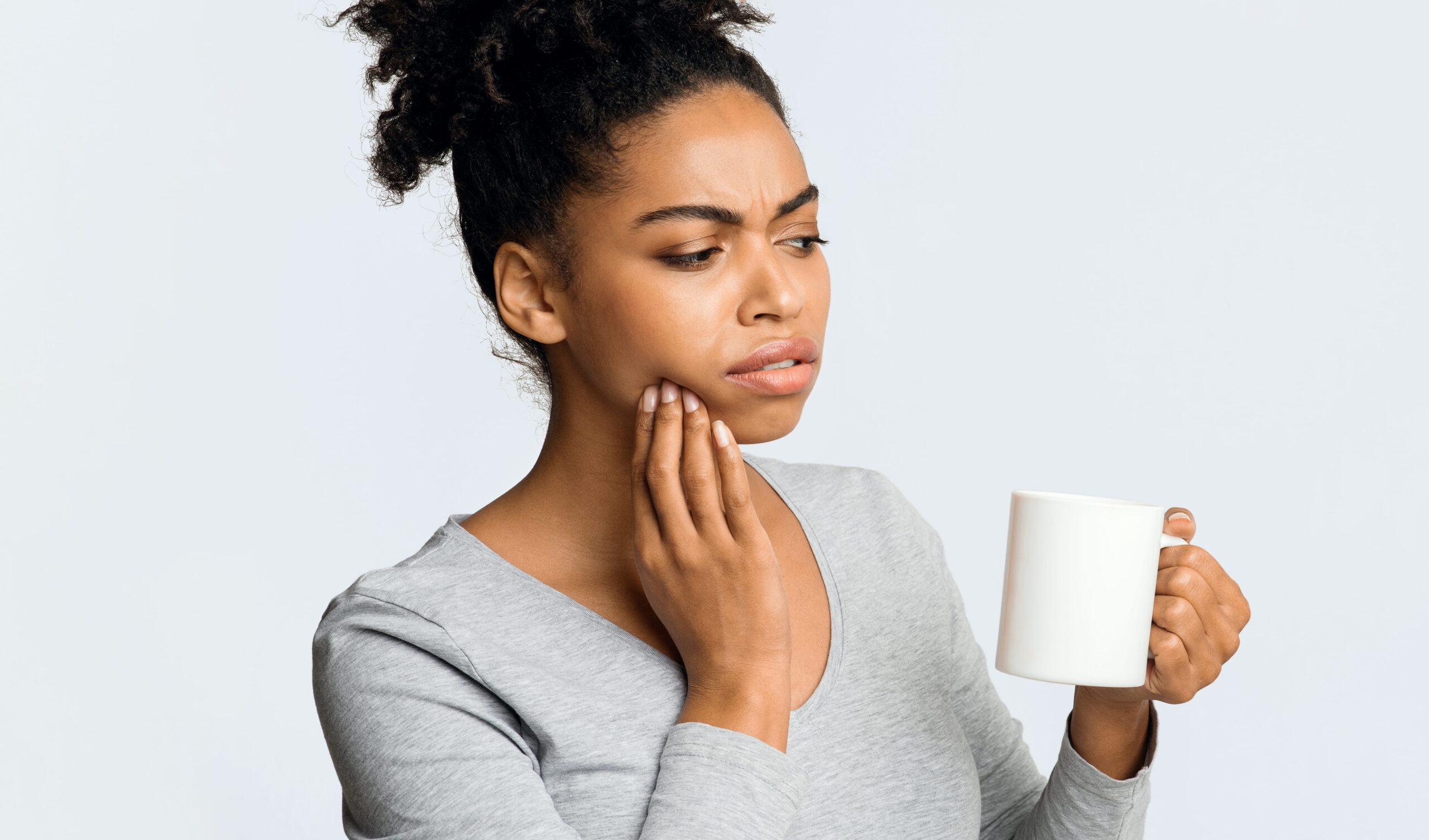
Can Coffee Stain On Teeth? What Seattle Coffee Lovers Need to Know
May 7, 2026
If Seattle had an official beverage, coffee would win by a landslide. But if you’ve ever noticed your smile getting a little less bright over time, your morning ritual might be partly to blame. So — can coffee stain your teeth? The short answer is yes, and understanding why it happens makes it a lot easier to protect your enamel before the discoloration becomes difficult to reverse.
Why Does Coffee Stain Teeth?
Coffee contains compounds called tannins — a type of polyphenol that binds to the protein film coating your teeth. Once tannins latch onto that surface layer (known as the acquired pellicle), they leave behind a yellowish or brownish pigment that embeds into the enamel over time.
On top of that, coffee is highly acidic. Repeated acid exposure softens enamel slightly, making it more porous and more vulnerable to staining from chromogens — the color-producing compounds found in dark beverages. This is the core reason why coffee and tooth discoloration go hand-in-hand for so many daily drinkers.
According to the American Dental Association (ADA), dark-colored beverages like coffee, tea, and red wine are among the most common dietary causes of extrinsic tooth staining. Extrinsic staining affects the outer surface of the enamel and, fortunately, is often treatable — but it’s far easier to prevent than to correct.
Does White Coffee or Light Roast Stain Less?
A common question: Does white coffee stain teeth as much as a dark espresso?
Lighter roasts and milkier preparations do contain slightly lower concentrations of tannins, but they’re not stain-free. Any coffee beverage — regardless of roast or color — is still acidic and still contains chromogens. Adding milk may modestly reduce tannin binding, but it doesn’t eliminate the risk. If you’re drinking multiple cups a day regardless of the roast, staining can still accumulate over months and years.
How Coffee Affects Teeth Beyond Color
Staining is the most visible effect, but how coffee affects teeth extends further:
- Enamel erosion: Repeated acid exposure wears down enamel gradually, making teeth more sensitive and more susceptible to decay.
- Dry mouth: Caffeine is a mild diuretic and can reduce saliva production. Saliva is your mouth’s natural defense system — it neutralizes acid and helps remineralize enamel. Less saliva means more vulnerability.
- Gum tissue irritation: Hot beverages consumed regularly can irritate soft tissue over time, though this is less directly linked to staining.
Understanding how these factors compound each other is key to taking a proactive approach to your oral health. The team at First Hill Dental Center – Dr. Singh DMD in Seattle regularly helps patients assess the cumulative effects of their daily habits — coffee habits included.
How to Prevent Coffee Stains on Teeth
The good news: you don’t have to quit coffee to keep your smile healthy. A few simple habits make a real difference.
1. Drink through a straw Using a straw (reusable ones work great) reduces direct contact between coffee and your front teeth. It won’t eliminate exposure entirely, but it’s one of the more effective passive strategies.
2. Rinse with water after drinking Swishing water around your mouth after coffee helps wash away tannins and acid before they settle. Don’t brush immediately — wait at least 30 minutes, since enamel is temporarily softened after acid exposure and brushing too soon can cause more harm than good.
3. Limit sipping frequency Frequent, prolonged sipping keeps your teeth in a constant state of acid exposure. Try to drink your coffee in a defined window rather than grazing on it all morning.
4. Stay consistent with professional cleanings Stained teeth from coffee respond well to professional polishing and cleaning, especially when addressed regularly. Routine cleanings remove surface deposits before they harden or deepen. Staying on top of your preventive dental care is one of the most effective long-term strategies.
5. Consider whitening options If staining has already set in, professional whitening treatments — available through your dentist — are more effective and safer for enamel than most over-the-counter products. Realistic results vary by individual, but professionally supervised whitening consistently outperforms DIY approaches.
How to Remove Coffee Stains From Teeth
If you’re already dealing with coffee stained teeth, the right approach depends on the depth of discoloration:
- Extrinsic staining (surface-level): Responds well to professional polishing, whitening toothpastes with low abrasivity, and in-office whitening treatments.
- Intrinsic staining (deeper within enamel or dentin): May require more involved cosmetic treatment such as veneers or bonding, depending on severity.
Over-the-counter whitening strips can help with mild staining, but they carry risks if used excessively — including increased tooth sensitivity and uneven results. A local dentist near you can evaluate your specific situation and recommend the most appropriate option without overselling unnecessary treatment.
When Should You See a Dentist About Tooth Discoloration?
Consider scheduling an appointment if:
- Your teeth have noticeably yellowed or browned over the past year
- You experience sensitivity alongside discoloration
- OTC whitening products haven’t produced results after consistent use
- You haven’t had a professional cleaning in more than six months
In Seattle, the team at First Hill Dental Center – Dr. Singh DMD takes a conservative, patient-centered approach to cosmetic concerns — meaning you’ll get an honest assessment, not a hard sell.
The Bottom Line
Yes, coffee can stain your teeth — and it does so through a combination of tannins, acid, and consistent daily exposure. But with the right preventive habits and regular professional care, most coffee drinkers can maintain a healthy, attractive smile without giving up their daily cup.
The key is being consistent: rinse after drinking, don’t skip cleanings, and address surface staining before it deepens. Your enamel is worth protecting, and small habits add up over time.
FAQs
Q: Can coffee stain your teeth even if you drink it with milk?
Adding milk to coffee slightly reduces tannin concentration and may lower staining potential modestly. However, coffee with milk is still acidic and still contains chromogens. It’s not a reliable prevention strategy on its own — rinsing with water afterward and maintaining regular cleanings remain more effective habits.
Q: How long does it take for coffee to stain teeth?
Noticeable discoloration can develop over several months of daily coffee drinking, though the timeline varies based on frequency, enamel thickness, oral hygiene habits, and individual saliva composition. People who drink multiple cups daily without rinsing or brushing regularly tend to see staining accumulate more quickly.
Q: Does cold brew or iced coffee stain teeth less than hot coffee?
Temperature affects mouthfeel and acid sensitivity, but it doesn’t significantly change the staining potential. Cold brew is often lower in acidity than hot-brewed coffee, which may reduce enamel erosion slightly, but the tannins and chromogens responsible for staining are still present. Drinking through a straw remains a more effective strategy regardless of temperature.
Q: Can you reverse coffee stains on teeth at home?
Mild surface staining may respond to whitening toothpastes or OTC whitening strips used consistently over several weeks. Deeper or longer-standing discoloration typically requires professional treatment. Overusing abrasive whitening products can damage enamel, so if home methods aren’t working after 4–6 weeks, it’s worth consulting a dentist.
Q: Is coffee-related tooth staining the same as tooth decay?
No — staining and decay are different processes. Staining is a cosmetic change to the outer enamel surface caused by pigment compounds. Tooth decay is structural damage caused by bacterial acid dissolving enamel over time. However, the same habits that worsen staining — frequent acid exposure, poor oral hygiene, skipping cleanings — also increase decay risk, so addressing them matters for both reasons.