
What Does a Dentist Actually Use at Home? Our Team Spills the Routine
March 17, 2026
People ask us this all the time, and honestly, we love it. Whether you are in the chair for a cleaning or just making small talk, the question eventually comes up: “So what do you actually use at home?” It is a fair thing to wonder. If anyone knows what genuinely works, it should be the person who spends their days looking inside mouths for a living.
We are at First Hill Dental Center, tucked right into the Cabrini Medical Tower in Seattle’s First Hill neighborhood. Our patients come to us from Capitol Hill, Belltown, Queen Anne, Downtown, and all over the city, and many of them want practical, no nonsense advice they can take home. So here it is. The actual products and habits our team follows every single day, with zero sponsorship behind any of it.
Ready to Keep Your Smile Healthy? Call Today!

Thanks for taking the time to learn more about the routines our team follows at home to protect and maintain your teeth! We hope you feel inspired to try a few of these habits in your own daily routine. Whether it’s brushing with an electric toothbrush, flossing before bed, or keeping up with your twice-yearly cleanings, these simple steps make a big difference in long-term oral health.
Dr. Sukhdev Singh, Dr. Kevin Suzuki, and Dr. Seonha Park love helping patients from Seattle and beyond keep their smiles healthy and bright. Your first step toward a healthier smile is just a phone call away. Schedule your appointment today and visit our dental practice today!
The Morning Routine: Intentional, Not Hurried
Mornings in Seattle can feel like a sprint, coffee in hand, ferry to catch, traffic on I-5. But even five extra minutes in the bathroom makes a real difference to your long term oral health.
Electric toothbrush with a round oscillating head
Our team prefers models from Oral-B or Philips Sonicare. They are measurably better at plaque removal than manual brushing for most people, not because manuals are wrong, but because the electric brush does the work even when you are half asleep.
Fluoride toothpaste, not whitening
Whitening formulas often contain abrasives that can wear enamel over time. We reach for a standard fluoride paste and let professional cleanings handle the whitening side of things.
Interdental floss or a water flosser
No preference drama here, use whichever one you will actually do every day. A water flosser is great for people with bridges, implants, or braces. Traditional floss wins for tight contacts.
Alcohol free mouthwash
Rinses with alcohol can dry out tissues and change the bacterial balance in your mouth. We stick to alcohol free formulas, especially ones with fluoride or cetylpyridinium chloride for gum support.
Seattle living tip
Seattle’s water is fluoridated through Seattle Public Utilities, which is genuinely good news for your teeth. But that does not replace fluoride toothpaste. Think of it as a helpful backup, not the main event.
The Evening Routine: Where Most People Fall Short
If we are being candid, nighttime oral hygiene matters more than morning. While you sleep, saliva production drops, bacteria multiply, and anything left on your teeth has hours to do damage. Here is what our team does before bed, no exceptions.
Step 1: Floss first
Flossing before brushing lets the fluoride from toothpaste reach the spaces between teeth more effectively. Small change, real difference.
Step 2: Two full minutes
Set a timer. Most people brush for 45 seconds and call it done. Two minutes, 30 seconds per quadrant, covers the whole mouth properly.
Step 3: Tongue scraping
A simple metal tongue scraper removes bacteria buildup that causes bad breath. It takes about ten seconds and the difference is noticeable within a week.
Step 4: Spit, don’t rinse
After brushing, spit out excess paste, but don’t rinse with water. Leaving a thin layer of fluoride on your teeth overnight strengthens enamel while you sleep.
Habits That Do Not Cost Anything
Products matter, but habits are what protect your smile between visits. A few things our team genuinely practices:
Drinking water after coffee or meals
Seattle has no shortage of great coffee, we are not asking you to give that up. But rinsing with water afterwards dilutes the acids and sugars that linger.
Chewing sugar free gum with xylitol
On busy days when brushing is not immediately possible, xylitol gum actively reduces the bacteria that cause cavities. It is not a replacement, but it is a useful bridge.
Wearing a night guard if you grind
A significant number of people in high pressure environments, and Seattle is full of them, grind their teeth at night. A custom fitted night guard prevents enamel wear and jaw soreness. We see the damage from unprotected grinding every week.
Keeping twice yearly cleanings on the calendar
This is non-negotiable for our team. Professional cleanings remove tartar that no toothbrush can touch. Think of it as the maintenance that makes everything else work.
Healthy Habits, Happy Smiles at First Hill Dental Center
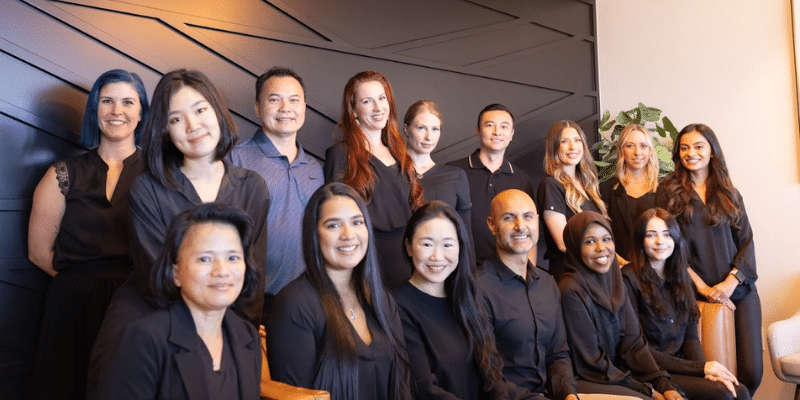
Taking care of your teeth at home doesn’t have to be complicated. Simple routines like brushing with a quality electric toothbrush, flossing or using a water flosser, and rinsing with an alcohol free mouthwash can make a huge difference over time. Our team at First Hill Dental Center, including Dr. Sukhdev Singh, Dr. Kevin Suzuki, and Dr. Seonha Park, also emphasizes habits like drinking water after meals, using sugar free gum when brushing isn’t possible, and wearing a night guard if you grind. These small steps, combined with regular professional cleanings, keep your smile healthy, bright, and strong.
We love seeing patients from all over Seattle feel confident in their oral health. Whether it’s routine preventive care, restorative treatments, or cosmetic enhancements, we’re here to make dental care easy and comfortable. Call us today and schedule an appointment. We can’t wait to welcome you to First Hill Dental Center and help you maintain a smile you’re proud of!
Frequently Asked Questions
Is an electric toothbrush really worth it?
For most people, yes. Clinical studies consistently show that oscillating rotating electric brushes remove more plaque than manual brushing. That said, a manual brush used correctly and consistently is far better than an electric one used carelessly. If budget is a concern, focus on technique first.
What whitening products are actually safe to use at home?
Over the counter whitening strips with low concentrations of hydrogen peroxide are generally safe for occasional use on healthy enamel. Avoid abrasive whitening toothpastes used daily, they can thin your enamel over time. For meaningful, lasting results, professional whitening is safer and more effective than anything available at the drugstore.
How do I know if I grind my teeth at night?
Common signs include waking up with jaw soreness or headaches, worn or flattened tooth edges, and sensitivity that seems to come and go. A partner might hear it before you notice it yourself. We can spot the signs during a routine exam, so do mention it if you suspect it.
Do I really need to floss if I use a water flosser?
Water flossers are excellent at flushing out debris and reducing gum inflammation, especially around implants or orthodontic work. Traditional floss, however, is better at physically removing plaque from the tight surfaces between teeth. Ideally, use both, but a water flosser used consistently beats floss that never leaves the drawer.
How often should I replace my toothbrush?
Every three months, or sooner if the bristles are visibly frayed. A worn brush cleans less effectively and the difference is bigger than most people expect. For electric brushes, the same rule applies to the replacement head.
Is Seattle’s tap water actually good for teeth?
Yes, Seattle Public Utilities fluoridates the city’s water supply, which supports enamel strength and helps reduce cavity risk. It is one of the quieter public health wins in the region. Still use fluoride toothpaste, but drinking tap water throughout the day is genuinely good for your teeth.