
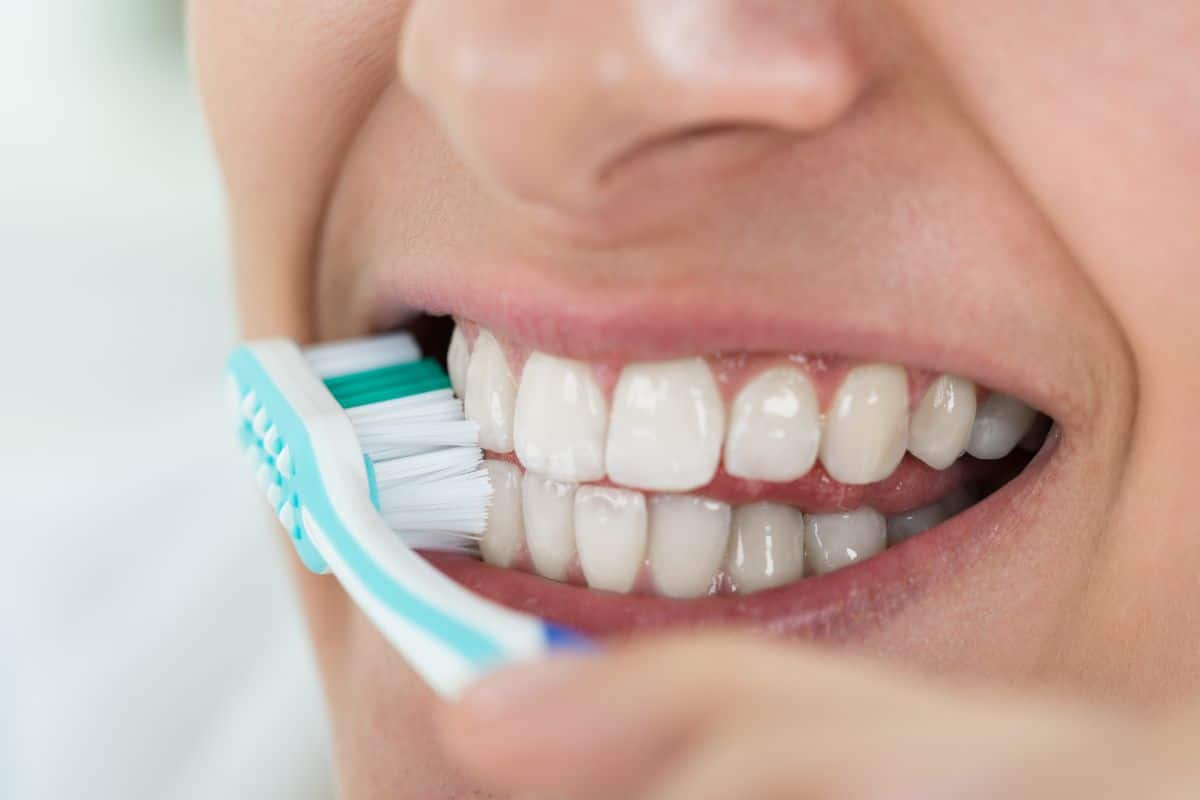
Can You Brush Too Much? The Risks of Overbrushing
April 18, 2025
Brushing your teeth is one of the most essential habits for maintaining oral health. However, like many things in life, more doesn’t always mean better outcomes. Brushing too aggressively, too often, or using the wrong toothbrush can harm your teeth and gums rather than help them. Let’s explore how brushing with too much force or frequency can backfire. Continue scrolling down to recognize the signs before it leads to irreversible dental damage.
What Happens When You Brush Too Hard or Too Often?
Brushing helps gently remove plaque and food particles without harming the enamel or irritating gums. When you brush with excess pressure or do it several times daily, you are not doing any good. Think of it like cleaning glass surfaces, where scrubbing too hard with the wrong brushes results in scratches and no shine.
You can always approach a Seattle dentist to understand the dangers of brushing too frequently or aggressively. The significant consequences are as follows:
Deterioration of Enamel
The outermost layer of protection is the enamel of your teeth. Once it erodes, you can’t expect it to grow back. Using a hard-bristled toothbrush, abrasive toothpaste, or excessive pressure when brushing can all cause this layer to degrade. The risk of cavities, tooth discolouration, and sensitivity can all be increased by significant enamel erosion.
Receding Gums
Too much pressure or improper brushing technique can cause gum tissue to detach from teeth. Once exposed, these tooth roots are more susceptible to decay. Gum recession can also make your teeth look longer or uneven.
Weakening the Tooth Structure
Brushing too often can create small notches or grooves near the gumline, weakening the foundation of your teeth. Over time, this kind of wear makes pearly whites more vulnerable to chipping, cracking, or even irreversible structural issues.
Signs You May Be Brushing Too Aggressively
Wondering if your brushing habits might be causing harm? Watch out for these exclusive signs:
Gums That Bleed Easily
If your gums bleed during or after brushing, it could indicate a major problem. While bleeding gums can be a symptom of periodontal disease, it signals you’re brushing too forcefully. Doing this for a prolonged period can cause irritation to delicate gum tissue.
Sensitive Teeth
Increased sensitivity to hot, cold, or sweet foods might indicate enamel loss or exposed tooth roots. If your sensitivity comes and goes despite using desensitizing toothpaste, your brushing technique could be the reason.
Brushing Multiple Times After Meals
Although it may seem like a good habit, brushing right after every meal, especially acidic ones, can wear down enamel softened by food. Instead, wait at least 30 minutes after eating to give your saliva time to neutralize acids before scrubbing.
Worn Toothbrush Bristles
If you notice the bristles on your toothbrush splay or fray within a few weeks, you’re brushing aggressively. A soft touch is all that’s needed to effectively clean your teeth.
Problems with Dental Appliances
Braces, implants, or crowns often prompt people to brush more thoroughly. However, too much pressure can damage these fixtures or irritate surrounding tissue. If you notice discomfort or visible changes to your dental restoration, switch to a lighter brushing approach.
How to Brush to Protect Your Smile?
For safe routine cleaning, use a soft-bristled toothbrush and apply light, circular motions at a 45-degree angle to your gums. Brushing twice daily for two minutes is enough to keep your teeth clean. Avoid brushing more than three times a day. Get insights from your dentist in Seattle on using an electric toothbrush with a pressure sensor to help control your technique.
Frequent or vigorous brushing frequently results in worn enamel, gum inflammation, or pain. You can come to our clinic to regain comfort and prevent problems with your oral health. Dr. Singh is able to assess your oral health and make recommendations for specific treatments. Book an appointment with First Hill Dental Center – Dr. Singh DMD to protect your teeth and smile with comprehensive treatment, brushing advice, and more!