
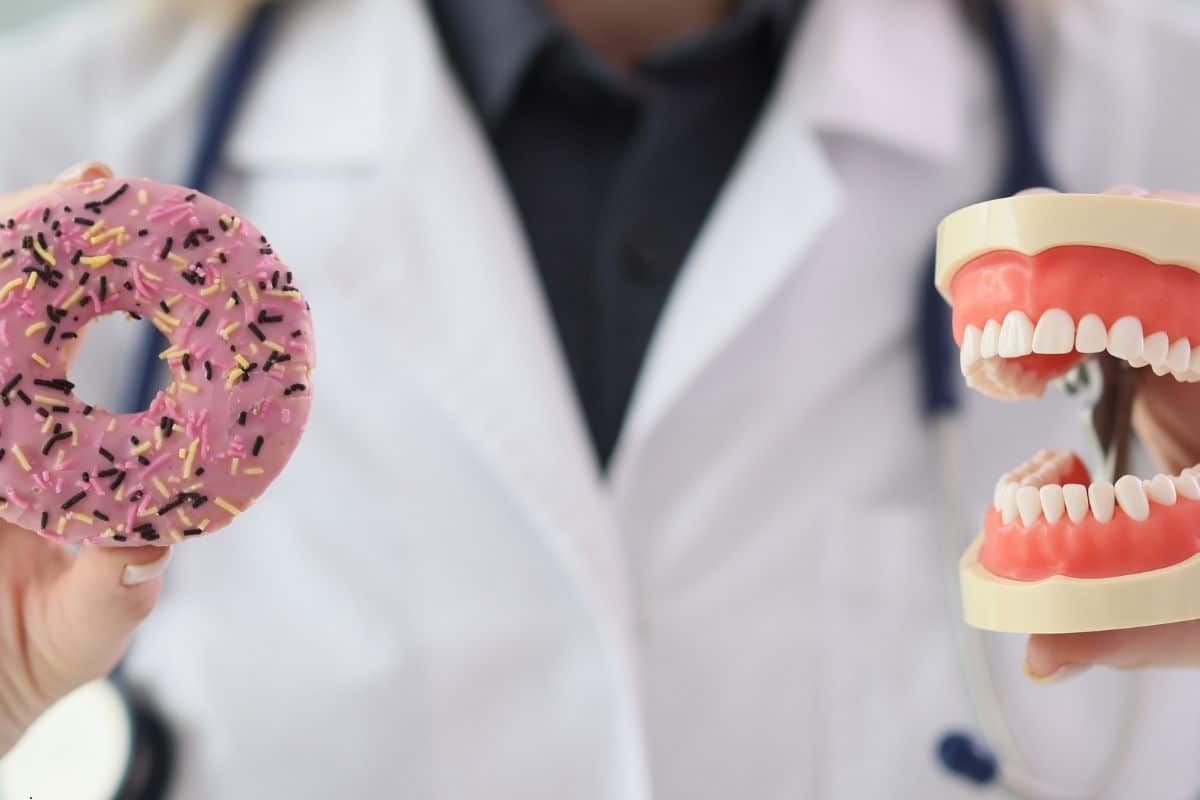
How Diet Shapes Oral Health
July 26, 2024
Maintaining good oral health goes beyond regular brushing and flossing; it also involves making mindful dietary choices. What you eat and drink can significantly influence the health of your teeth and gums. We understand the crucial role that nutrition plays in oral health. In this blog, we’ll explore the connection between diet and oral health and provide tips on how to make better food choices to keep your smile healthy and bright.
Understanding the Connection Between Diet and Oral Health
Sugar and Tooth Decay: One of the most well-known dietary factors affecting oral health is sugar. Frequent consumption of sugary foods and beverages can contribute to the development of tooth decay. Bacteria in the mouth feed on sugar, producing acids that attack the enamel and cause cavities. Limiting sugar intake is essential for preventing dental decay.
Acidic Foods and Drinks: Foods and beverages high in acid, such as citrus fruits, tomatoes, and sodas, can erode tooth enamel over time. This erosion weakens the teeth and makes them more susceptible to decay and sensitivity. It’s important to consume acidic foods and drinks in moderation and rinse your mouth with water afterward to neutralize the acid.
Foods That Promote Oral Health
Dairy Products: Dairy products like milk, cheese, and yogurt are rich in calcium and phosphorus, which are essential for strong teeth and bones. Cheese also helps stimulate saliva production, which neutralizes acids and washes away food particles.
Leafy Greens: Leafy greens such as spinach, kale, and Swiss chard are high in vitamins and minerals, including calcium, folic acid, and vitamin C. These nutrients are vital for maintaining healthy gums and teeth.
Crunchy Fruits and Vegetables: Fruits and vegetables like apples, carrots, and celery are not only nutritious but also help clean teeth as you eat them. Their crunchy texture stimulates the gums and increases saliva production, which helps reduce the risk of cavities.
Nuts and Seeds: Nuts and seeds provide excellent sources of protein and beneficial fats. They contain minerals such as calcium, magnesium, and phosphorus that strengthen tooth enamel. Almonds, especially, are rich in calcium and low in sugar, making them an ideal snack for promoting oral health.
Foods and Habits to Avoid
Sugary Snacks and Drinks: Avoid consuming sugary snacks and drinks frequently. Instead of reaching for candies, cookies, or soda, opt for healthier alternatives like fresh fruit, nuts, or water. If you enjoy sugary treats, it’s better to have them during meals rather than as standalone snacks. Saliva production increases during meals, which helps neutralize acids and reduces the risk of tooth decay.
Sticky and Starchy Foods: Sticky foods like dried fruit and starchy foods like potato chips can cling to teeth and promote bacterial growth. If you eat these types of foods, be sure to brush and floss afterward to remove any residue.
Frequent Snacking: Constant snacking throughout the day can expose your teeth to continuous acid attacks. If you need a snack, choose options that are less likely to harm your teeth, such as cheese, nuts, or vegetables.
Hydration and Oral Health
Drink Plenty of Water: Water is crucial for overall well-being, including maintaining oral health. It helps rinse away food particles and bacteria, keeping your mouth fresh and clean. Additionally, fluoridated water plays a key role in fortifying tooth enamel and preventing dental decay.
Limit Sugary and Acidic Beverages: Sugary drinks like soda, sports drinks, and fruit juices can contribute to tooth decay. Acidic beverages like coffee and alcohol can erode enamel. Limit your consumption of these drinks and opt for water or milk instead.
Tips for a Tooth-Friendly Diet
Eat a Balanced Diet: Ensure your diet includes a variety of foods from all the food groups, providing the necessary nutrients for healthy teeth and gums.
Rinse After Eating: If you can’t brush your teeth after eating, rinse your mouth with water to help remove food particles and reduce acidity.
Chew Sugar-Free Gum: Chewing sugar-free gum after meals can boost saliva flow, which helps neutralize acids and clean your teeth.
Visit Your Dentist Regularly: Consistent dental check-ups and cleanings are crucial for sustaining optimal oral health. Your regular dentist can provide personalized dietary advice and detect any potential issues early on.
Conclusion
By making mindful food choices and following the tips outlined above, you can help protect your teeth and gums from decay and disease. For more personalized advice and comprehensive dental care, schedule an appointment with First Hill Dental Center – Dr. Singh DMD. Together, we can ensure your smile stays healthy and vibrant for years to come.