
Are Dental Implants Painful? Understanding the Procedure and Recovery
June 5, 2024
Dental implants have revolutionized modern dentistry by providing a permanent, natural-looking solution for missing teeth. For many considering this treatment, one of the most common concerns is: “Are dental implants painful?” In this comprehensive article, we’ll explore the dental implant procedure, the level of discomfort you might experience, and what to expect during recovery. We’ll also provide insights specifically related to getting dental implants in Seattle, highlighting local expertise and resources.
What Are Dental Implants?
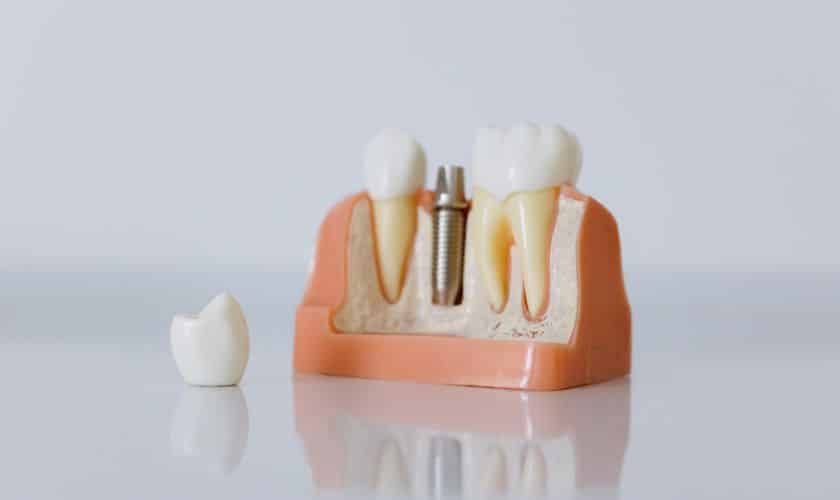
Dental implants serve as artificial tooth roots crafted from biocompatible materials, such as titanium, and are strategically inserted into the jawbone through a surgical procedure. They serve as a foundation for replacement teeth, such as crowns, bridges, or dentures. Implants are known for their durability, stability, and ability to mimic the appearance and function of natural teeth.
The Dental Implant Process
Understanding the steps involved in getting dental implants can help alleviate concerns about pain. The process typically includes:
1. Initial Consultation
Your journey begins with a thorough evaluation by a dental implant specialist. This includes a comprehensive dental exam, X-rays, and possibly a CT scan to assess the condition of your jawbone and overall oral health.
2. Treatment Planning
Based on the initial consultation, a personalized treatment plan is created. This plan outlines the number of implants needed, the type of restoration (crown, bridge, or denture), and the estimated timeline for the procedure.
3. Implant Placement
The surgical placement of the implant is the most critical step. It involves the following:
- Anesthesia: Local anesthesia or sedation is administered to ensure comfort during the procedure.
- Incision and Drilling: An incision is made in the gum to expose the jawbone, followed by drilling a hole into the bone where the implant will be placed.
- Implant Insertion: The implant is carefully inserted into the drilled hole, and the gum is stitched back over the implant.
4. Osseointegration
After the placement of the implant, a recovery period of several months is necessary. Throughout this duration, the implant undergoes osseointegration, wherein it integrates and bonds with the jawbone. This phase is crucial for the stability and longevity of the implant.
5. Abutment and Crown Placement
Once osseointegration is complete, an abutment (connector) is attached to the implant, and a custom-made crown is placed on top. This completes the restoration, providing a natural-looking and functional tooth.
Pain During the Procedure
One of the most pressing questions is whether the dental implant procedure itself is painful. Here’s what you can expect:
During Surgery
Thanks to local anesthesia and sedation options, the implant placement procedure is typically painless. The anesthesia numbs the area, ensuring you feel no pain during the surgery. Sedation can also help reduce anxiety and make the experience more comfortable.
Post-Surgery
After the anesthesia wears off, it is normal to experience some discomfort. This can include:
- Swelling: Mild swelling of the gums and face is common.
- Pain: You may experience some pain at the implant site, similar to the sensation after a tooth extraction.
- Bruising: Minor bruising of the gums and skin may occur.
These symptoms are usually manageable with over-the-counter pain relievers like ibuprofen or acetaminophen. Your dental provider may also recommend more potent pain relief medication if needed.
Recovery and Pain Management
The recovery period is crucial for the success of your dental implants. Here’s how you can manage pain and ensure a smooth recovery:
1. Follow Post-Operative Instructions
Your dentist will provide detailed post-operative care instructions. Following these guidelines can help minimize pain and prevent complications. This may include:
- Taking prescribed antibiotics to prevent infection
- Using an ice pack to reduce swelling
- Consuming gentle or easily chewable foods during the initial days
- Avoiding strenuous activities
2. Maintain Oral Hygiene
Keeping the implant site clean is essential for healing. Gently brush your teeth and use a prescribed mouthwash to prevent infection.
3. Monitor for Complications
While complications are rare, it’s important to be aware of signs of infection or implant failure. Contact us if you experience:
- Severe or persistent pain
- Excessive swelling or bruising
- Pus or unusual discharge
- Fever
4. Regular Follow-Up Visits
Regular check-ups with your dentist in Seattle are vital to monitor the healing process and ensure the implant is integrating properly with the jawbone.
Dental Implants: What to Expect
Seattle boasts a wealth of experienced dental professionals specializing in implant dentistry. Discover What to Expect During Dental Implant Procedures:
Advanced Technology
Dental clinics are equipped with state-of-the-art technology, including 3D imaging and computer-guided implant placement. These advancements enhance precision and reduce the risk of complications.
Skilled Professionals
Dental implant specialists have extensive training and experience. They stay updated with the latest techniques and advancements in implant dentistry to provide the best possible care.
Patient-Centered Care
Dentists prioritize patient comfort and satisfaction. From the initial consultation to post-operative care, you can expect a supportive and personalized approach to your treatment.
Comprehensive Services
Many dental clinics offer comprehensive services, including bone grafting and sinus lifts, to address any underlying issues that may affect implant success. This ensures you receive a complete and tailored treatment plan.
Conclusion
So, are dental implants painful? In most cases, the procedure itself is not painful because local anesthesia is used to keep the treatment area numb and comfortable. Patients may experience mild soreness or swelling during the recovery period, but this discomfort is usually temporary and can be managed effectively with proper aftercare and guidance from your dentist. The long-term benefits of dental implants—such as improved oral health, restored chewing ability, and a natural-looking smile—far outweigh the short recovery period. Dental implants function like natural teeth, helping patients regain confidence and maintain better overall dental health.
If you are considering dental implants, choosing an experienced dental professional can make the process smoother and more comfortable. At First Hill Dental Center – Dr. Singh DMD, patients receive personalized care and thorough consultations to determine whether dental implants are the right solution for their needs. The team focuses on patient comfort, uses advanced dental techniques, and communicates clearly throughout the entire treatment process. If you have questions or concerns about dental implants, scheduling a consultation with a qualified dental professional is the best first step. A personalized evaluation can help you understand the procedure, explore your options, and create a treatment plan that supports your long-term oral health and smile goals.
FAQ
1. Will I feel pain during the dental implant procedure?
No, the procedure is typically pain-free because local anesthesia is used to numb the treatment area. Sedation options are also available for patients who feel anxious, ensuring a comfortable experience.
2. Is there discomfort after getting a dental implant?
Some mild soreness, swelling, or tenderness around the implant site can occur during the first few days of recovery. This is normal and can usually be managed with over-the-counter pain medication and proper aftercare.
3. How long does the recovery period last?
Most patients experience noticeable improvement within a week, but full healing, including integration of the implant with the jawbone (osseointegration), may take several months. Regular follow-ups with your dentist ensure proper healing.
4. Can dental implants affect eating or speaking during recovery?
Initially, you may need to stick to soft foods and avoid chewing directly on the implant site. However, once healing is complete, implants function like natural teeth and do not affect eating or speaking.
5. Are dental implants worth the discomfort?
Yes. Dental implants provide long-term benefits, including improved oral health, restored chewing ability, prevention of bone loss, and a natural-looking smile. The temporary discomfort is minimal compared to the lasting advantages.
6. How can I minimize pain after the procedure?
Follow your dentist’s aftercare instructions carefully. This may include taking prescribed or over-the-counter pain medications, applying ice packs to reduce swelling, avoiding strenuous activity, and keeping the implant site clean.