
From Consultation to Recovery: Your Complete Guide to Dental Implants
November 13, 2025
Are you considering tooth replacement options? Implants may be the solution you’ve been looking for. Whether you’re missing a single tooth or require a full mouth restoration, they offer a permanent solution that can restore both function and confidence. Most dental practitioners understand that the journey from consultation to recovery can feel overwhelming. This is why we’re here to guide you through each step of the process. In this guide, learn everything you need to know about dental implants in Seattle and what you can expect from start to finish.
What Are Dental Implants?
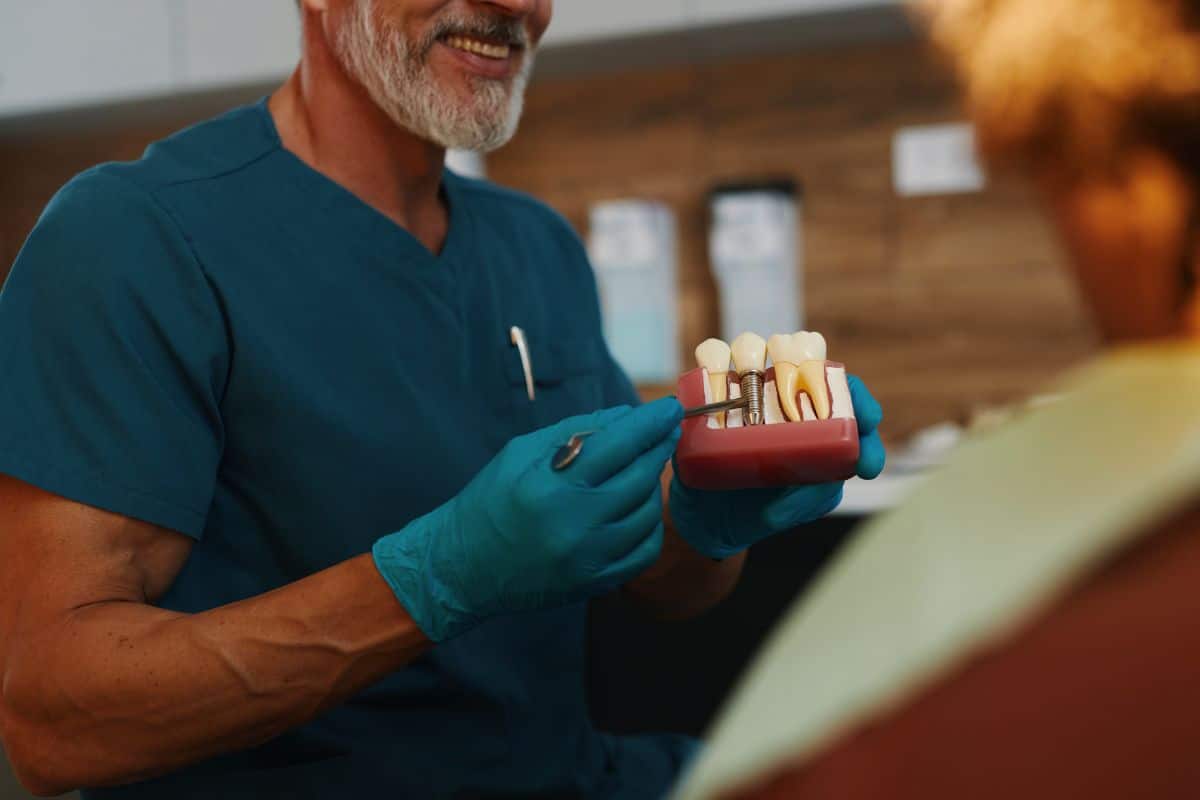
Dental restorations are advanced tooth replacement options in Seattle that provide durable, permanent alternatives for missing teeth. Unlike traditional dentures or bridges, which sit on top of the gums, they are surgically placed into the jawbone, providing a stable foundation for artificial teeth. These permanent replacements consist of three parts:
- The Titanium Post: A small titanium screw is placed into the jawbone, acting as a replacement root.
- The Abutment: A connector that attaches the titanium post to the artificial tooth.
- The Restoration: The crown, bridge, or denture that is attached to the abutment.
By replacing both the root and crown, they provide better support and a natural appearance. It makes them an ideal solution for individuals seeking a more aesthetically pleasing outcome.
Why Choose Dental Implants?
Dental restorations are a preferred option for many reasons:
- Permanent Solution: They fuse with the bone, making them a long-lasting, durable solution.
- Improved Comfort: Unlike traditional dentures, they won’t slip or cause irritation.
- Natural Appearance: They are designed to look, feel, and function like your natural teeth.
- Preserve Bone Structure: Since the restoration stimulates the jawbone, it prevents bone loss, which can occur when teeth are missing.
Residents appreciate the natural-looking results that dental restorations provide. They also help maintain oral health and function, allowing patients to enjoy foods and activities they might have avoided with missing teeth.
The Process: From Consultation to Recovery
Step 1: Initial Consultation
The first step in the process is scheduling a consultation with your Seattle dentist. During this appointment, a dentist will conduct a thorough examination of your mouth and take X-rays to assess your jawbone’s health. If necessary, additional scans such as a CT scan may be taken to ensure your bone structure can support the restoration. At this stage, your dentist will discuss your treatment options with you, explaining whether you require single implants or a more extensive procedure.
Step 2: Treatment Planning
Once you and the dentist decide on the best approach, a personalized treatment plan will be created. This plan will outline the number of restorations required, the timeline for your procedure, and any preparatory steps, such as bone grafting if your jawbone is not sufficiently thick to support it. The dentist will also take time to explain the recovery process and any post-operative care instructions, ensuring you’re fully prepared for the upcoming procedure.
Step 3: The Surgical Procedure
The surgery is typically performed under local anesthesia to ensure comfort during the procedure. In cases where a more extensive procedure, such as full mouth dental implants in Seattle, is required, sedation may be offered to ensure patient relaxation. During the surgery, your dentist will make small incisions in the gum tissue to access the jawbone. Then, titanium posts will be carefully placed into the jawbone. If needed, the gum tissue will be sutured back in place. For most patients, the procedure is relatively quick, and they are able to return home the same day.
Step 4: Healing and Osseointegration
After the restoration is placed, it’s important to allow time for the posts to fuse with the bone in a process known as osseointegration. This typically takes between three to six months, depending on your specific case. During this period, you may be given temporary restorations to help with daily activities, such as chewing and speaking. While it heals, you will need to follow the instructions on maintaining oral hygiene. Avoid foods that may place undue pressure on the healing site.
Step 5: Final Restoration
Once the implants have fully integrated into the jawbone, the abutment will be attached to the titanium post. The placement of the final restoration follows this, whether it be a crown, bridge, or denture. The restoration is custom-made to match the shape, color, and size of your natural teeth, ensuring a seamless and natural appearance.
Step 6: Aftercare and Maintenance
After the final restoration is placed, it’s essential to maintain a regular dental hygiene routine to ensure the longevity of your restoration. The Seattle dentist will provide you with detailed instructions on caring for your new teeth, including how to brush and floss around the implants. Regular check-ups and professional cleanings are essential to monitor their condition and address any concerns. With proper care, they can last for decades, providing a reliable, functional solution for missing teeth.
What Makes Tooth Implants a Great Option?
Customization: They are custom-designed to fit seamlessly into your mouth, providing a personalized solution for tooth replacement.
Durability: Made of high-quality titanium, they are built to last and can withstand the wear and tear of everyday use.
Functionality: They restore full chewing power, allowing you to enjoy your favorite foods without discomfort.
Living in a vibrant city like Seattle, with its active lifestyle and culinary diversity, you’ll want a solution that not only enhances your smile but also restores full functionality.
Dental Implants vs. Other Tooth Replacement Options
If you’re considering permanent dental restorations, it’s essential to understand how they compare to other tooth replacement options available in Seattle:
- Dentures: While dentures are widely used to help people, they can sometimes slip or feel uncomfortable. Additionally, you might need to replace or relinE them as time goes on.
- Bridges: Dental bridges are a helpful option to replace one or more missing teeth. Keep in mind, though, that they involve shaping the healthy teeth next to the gap to fit the bridge. This way, you can enjoy a more complete and confident smile.
Dental restorations provide numerous benefits compared to traditional dental restoration options like dentures or bridges. They offer greater comfort because they are securely anchored into the jawbone, eliminating the discomfort often associated with removable dentures. Additionally, dental implants function more like natural teeth, allowing for better chewing and speaking capabilities. They are also more durable and long-lasting, making them a cost-effective and reliable solution for tooth replacement over time.
Restore Your Oral Health and Smile with Us
If you’re ready to explore dental implants in Seattle or have any questions about the procedure, First Hill Dental Center – Dr. Singh DMD is here to guide you. From consultation to recovery, our team is dedicated to providing top-notch care to help you achieve a beautiful, functional smile. Schedule your consultation today and take the first step toward restoring your smile with us.
Frequently Asked Questions
How long do dental implants last?
Dental restorations can last a lifetime with proper care and maintenance. The titanium post fuses with the bone, providing a stable foundation for the artificial tooth, making it a durable solution.
Is the dental implant procedure painful?
The procedure is typically performed under local anesthesia, so patients should not experience pain during the surgery. Some mild discomfort may occur during recovery, but this is manageable with pain medication.
How long does it take to recover from dental implant surgery?
Full recovery from surgery typically takes 3 to 6 months, as the implants need to integrate with the jawbone. However, most patients can resume normal activities within a few days.
Can anyone get dental implants?
Most people who are in good general health and have adequate bone density can receive dental restoration. During your consultation, our dentist will assess your oral health to determine if they are a suitable option for you.
Are dental implants the optimal choice for replacing teeth?
Dental restorations are considered the gold standard for tooth replacement due to their durability, natural look, and functionality. They offer a durable solution for gaps caused by missing teeth.