
How Many Teeth Can You Replace with Implants?
June 24, 2025
Tooth loss, whether from injury, decay, or gum disease, can ruin your smile and impact oral health. It alters how you chew and speak and even how your jawbone ages. Restorations with dental implants in Seattle have become a powerful solution for individuals with missing teeth. Prostheses look like natural teeth, while the posts successfully integrate with the bone to act like real roots.
Would you like to know if you need one implant for every missing tooth? The answer depends on several things, including your oral health and tooth replacement goals. Read this blog for clarity on the implant types and how they rebuild your complete smile from scratch.
What Are Implants and How Do They Work?
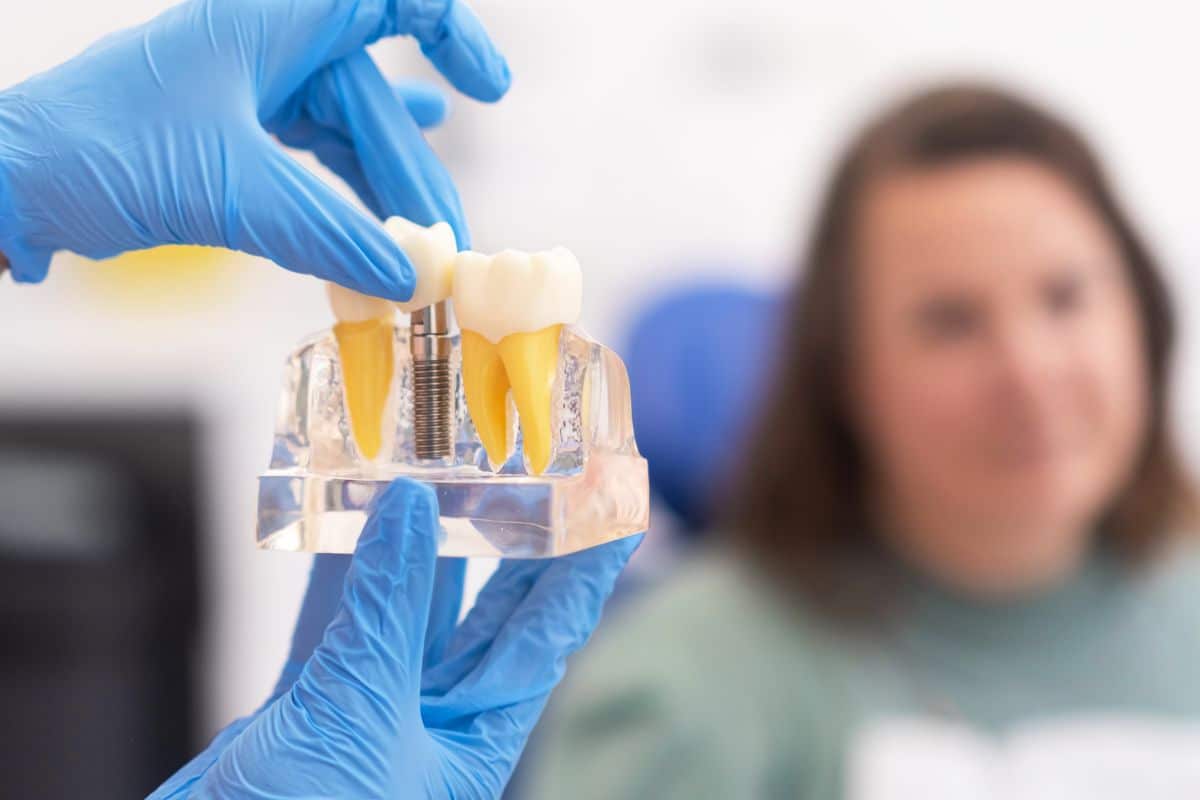
Implants are titanium posts placed directly into the jaw, where they fuse with the bone through osseointegration. This connection provides a stable foundation for prosthetic teeth such as crowns, bridges, or implant-supported dentures. Anchored perfectly in the bone, these prosthetic roots offer strong chewing force and help prevent jawbone loss.
How many implants you’ll need depends on the number of missing teeth, the type of restoration used, and your bone structure. It’s best to approach a dentist to diagnose your tooth loss and recommend the appropriate dental implants in Seattle.
Factors That Influence How Many Dental Implants You Need
Let’s explore how many teeth can be replaced with prostheses.
1. Bone Quality and Quantity
Your jawbone density plays a major role in deciding the number of prosthetic teeth it can accommodate. If the bone is strong and thick, fewer implants may be needed. If it’s thin or has shrunk over time, you may need more support from bone grafting to hold replacement teeth.
2. Type of Restoration
Whether you are replacing one tooth or all of them, the method for restoration matters. A single implant can easily fill a minor interdental gap. Whereas, if there are too many teeth missing in both arches, full-mouth restoration is often recommended by the specialist. Each prosthetic solution distributes bite pressure differently, which impacts where and how many implants are needed.
3. Overall Oral Health
Gum health, bite alignment, and surrounding teeth near the empty socket are all critical factors for the implant procedure. Active gum disease or other oral issues may alter the treatment plan or the count of prosthetic roots decided before the surgery. That’s why a thorough evaluation is necessary to decide the best approach before any implant procedure.
Important Considerations for Dental Implant Procedure
Here’s a general scenario for replacing lost teeth with various implant options.
Replacing One Tooth
If missing just one tooth, you usually need only one artificial root. After healing, a crown is placed on top to complete your smile. This prosthetic arrangement mimics the look and function of a natural tooth and blends with your other teeth.
In some cases, a single implant can even support two adjacent teeth. This requires careful planning, but it can be effective when the space and bite allow.
Prosthetic Solution for Several Teeth
Losing multiple teeth in a row doesn’t mean you need one implant per gap. Often, two implants can support a bridge that spans three, four, or even five teeth. One implant is placed at each end of the empty space, and the false teeth in between are held securely in place. This arrangement eliminates the need for additional implants to restore many teeth in a single arch.
Replacing All Teeth in One Arch
For patients missing all their upper or lower teeth, modern solutions are far more advanced than traditional removable dentures. One common technique, known as All-on-4, uses just four implants to support an entire row of prosthetic teeth. Two are placed vertically at the front of the jaw, while two angled implants are positioned at the back to maximize stability. Getting this prosthetic solution is especially beneficial in areas with less bone.
Some patients may require or prefer additional support, which involves placing five or six implants for enhanced durability and function. The exact number depends on factors like bone strength, bite force, personal preference, and a thorough evaluation by a local dentist near you.
Full Mouth Restoration
If both upper and lower arches need replacement, the total number of implants usually ranges from eight to twelve. That might sound like a lot, but it’s far fewer than the original 28 adult teeth. In a full-arch restoration, each implant provides support for multiple roots, allowing you to chew, smile, and speak with confidence. This comprehensive treatment can restore not only your appearance and speech but also allow you to enjoy all meals again.
Why Selecting the Right Dentist Matters for Implant Success?
Success with implant procedures depends heavily on planning, precision, and proper placement. Your dentist can assess your jawbone, review your health history, and create a treatment plan tailored to your replacement needs.
You don’t always need an implant for every tooth you have lost. With modern techniques, just a few prosthetic roots can restore full function and the natural appearance of your smile. If you’re considering tooth replacement, schedule an implant consultation with our dentist.
First Hill Dental Center – Dr. Singh DMD combines advanced imaging with surgical expertise to ensure optimal outcomes. Whether you need one implant or a full arch replacement, we are your leading office for dental implants. With our personalized approach, expect comfort, long-term stability, and a smile that feels like your own.