
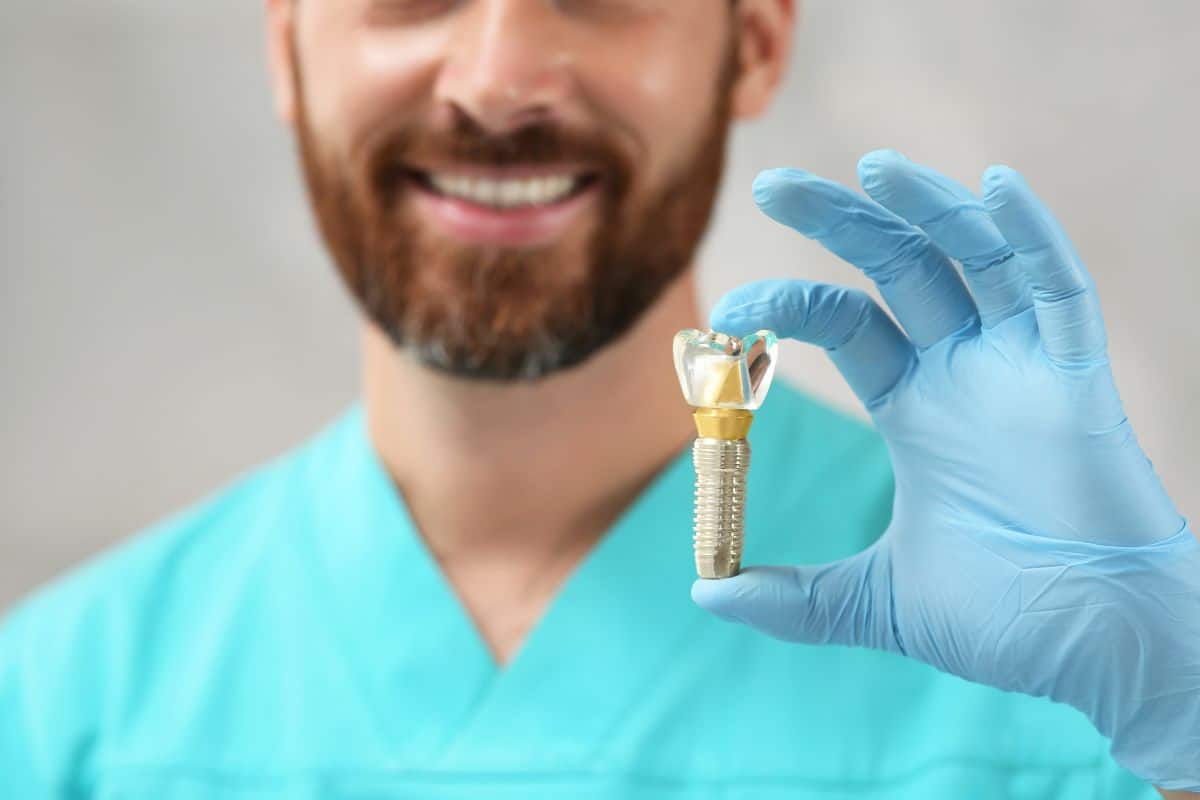
Dental Implant Recovery Guide for Seattle Patients
November 20, 2025
Dental implants are authentic solution for missing teeth, offering strength, function, and a natural look. However, the procedure is just the first step. How you care for your implants during recovery determines long-term success. Whether you’re considering dental implants or have recently had the procedure, understanding proper aftercare is crucial.
At First Hill Dental Center – Dr. Singh DMD, we often remind patients in Seattle that careful recovery is just as important as the surgery itself. This guide walks you through the essentials of dental implant healing and tooth implant recovery.
What to Expect After Dental Implant Surgery
After your procedure, mild swelling, slight bleeding, and minor discomfort are normal. These reactions are part of the healing process. Your body is adjusting to the implant and beginning to integrate it with the jawbone.
Key early steps include:
-
Resting for the first 24–48 hours
-
Keeping your head elevated when lying down
-
Applying ice packs in short intervals to reduce swelling
-
Taking prescribed pain medication as directed
Avoid disturbing the surgical area. Do not rinse vigorously, spit forcefully, or use a straw during the first day. These actions can dislodge the blood clot and delay healing.
A dentist in Seattle will often emphasize that patience during this early stage is critical for a smooth recovery.
Eating and Drinking During Recovery
Diet plays a significant role in dental implant healing. Soft foods are best for the first few days to avoid putting pressure on the implant. Recommended options include:
-
Yogurt
-
Mashed potatoes
-
Scrambled eggs
-
Smooth soups
-
Oatmeal
Avoid hard, crunchy, or sticky foods, as well as very hot drinks. Chew on the side opposite the implant if possible. Over time, as healing progresses, you can gradually reintroduce regular foods.
Oral Hygiene and Implant Care
Maintaining oral hygiene is essential, but you must be gentle. Proper care prevents infection and supports successful healing.
Recommended practices:
-
Brush carefully with a soft-bristled toothbrush, avoiding the implant site at first
-
Rinse gently with a saltwater solution after the first day
-
Avoid using strong mouthwashes early in the healing period
A clean mouth ensures healthy gums, which protect your implant and promote bone integration.
Managing Discomfort and Swelling
Swelling typically peaks within two to three days and then gradually decreases. Pain should be mild and manageable with prescribed medication.
Tips to reduce discomfort:
-
Use cold packs on the first day
-
Switch to warm compresses after swelling reduces
-
Stay hydrated
-
Get sufficient rest
If pain increases instead of improving, contact your dentist immediately.
Lifestyle Considerations During Recovery
Smoking and alcohol: Smoking reduces blood flow and slows healing, increasing the risk of implant failure. Alcohol can interfere with recovery and medications. Avoid both during the healing process.
Physical activity: Avoid heavy lifting, strenuous workouts, and bending over in the first few days. Light activity, like short walks, is fine. Resume full activity only after your dentist confirms it is safe.
Signs of Successful Healing
Indicators that your implant is healing properly include:
-
Gradually decreasing pain
-
Reduced swelling
-
Healthy pink gums
-
No unusual taste or odor
If you notice any of these, your recovery is on track.
When to Contact Your Dentist
Call your dental provider if you experience:
-
Severe or increasing pain
-
Persistent bleeding
-
Fever
-
Pus or foul odor
-
A loose implant
Prompt attention prevents complications and ensures long-term success.
If you recently had a dental implant or are planning one, following proper aftercare is key. A quick check-in with a trusted dentist in Seattle can ensure your implant heals safely and comfortably. Don’t wait until discomfort becomes serious.
Long-Term Care for Dental Implants
Even after the initial recovery, dental implants require ongoing care. Proper maintenance ensures they last for years.
Long-term care tips:
-
Brush twice daily using a soft-bristled toothbrush
-
Floss carefully around the implant
-
Attend regular dental checkups
-
Avoid chewing hard items like ice or hard candy
Consistent care protects your investment and keeps your smile healthy.
Common Questions
1. How long does dental implant recovery take?
Initial healing takes about 1–2 weeks. Full integration with the jawbone may take 3–6 months.
2. Is pain after dental implants normal?
Mild discomfort is normal and usually improves within a few days. Severe or increasing pain should be evaluated.
3. Can I eat normally immediately after implants?
Stick to soft foods during the first few days. Gradually return to normal eating as healing progresses.
4. What causes swelling after dental implants?
Swelling is a natural response to surgery. Ice packs and rest help manage it.
5. Can smoking affect implant healing?
Yes. Smoking slows blood flow and increases the risk of implant failure.
6. How do I keep my implants clean?
Gentle brushing, saltwater rinses, and regular dental checkups maintain oral hygiene.
7. When should I contact my dentist?
If you experience severe pain, persistent bleeding, fever, or a loose implant.
Final Thoughts
Dental implants are a safe and effective way to restore missing teeth, but healing takes time and care. Following aftercare guidelines supports proper dental implant healing and ensures your tooth implant recovery is smooth. By staying mindful of diet, hygiene, and lifestyle during recovery, you give your implant the best chance to integrate successfully. If you have concerns or notice unusual symptoms, a dentist in Seattle can provide guidance and reassurance. A little attention now ensures long-lasting results, comfort, and a confident smile for years to come.