
How Does the iTero Scanner Work? A Complete Guide
May 13, 2026
If you have ever sat in a dental chair with a mouth full of goopy impression material, you know how unpleasant that experience can be. The good news is that dental technology has come a long way. At First Hill Dental Center – Dr. Singh, DMD, and his team use the iTero Scanner to make your visits more comfortable, more accurate, and more efficient. From the moment you sit down for your appointment, you can expect a cleaner and easier process than the old-fashioned approach.
This blog will walk you through everything you need to know about this modern dental imaging tool, how it works, what it is used for, and why patients across Seattle are choosing it for their dental care.
What Is an Intraoral Scanner?
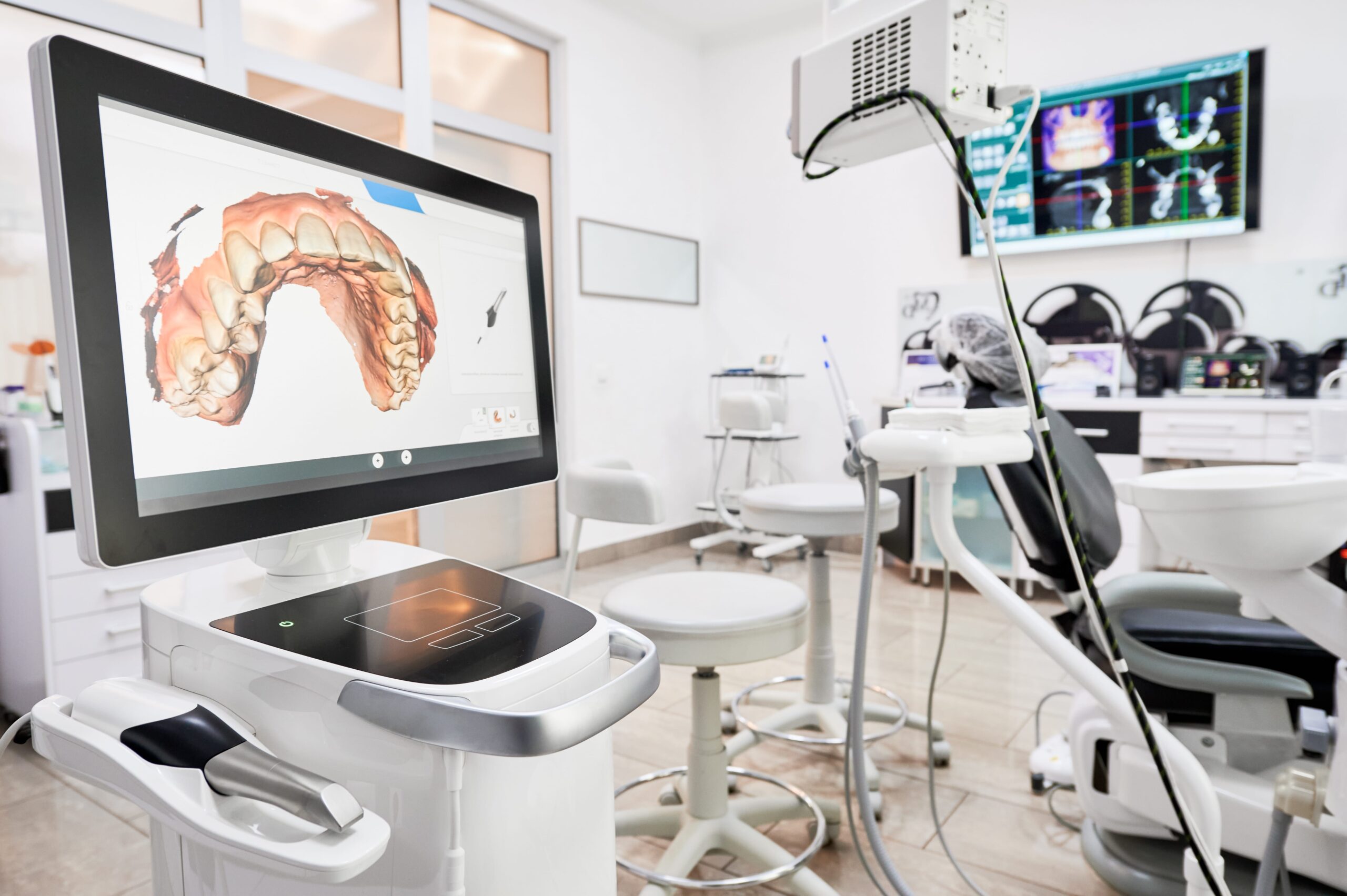
An intraoral scanner is a small, handheld wand that a dental professional uses to capture detailed images inside your mouth. Instead of using physical molds or putty, it uses a safe light beam to scan the surfaces of your teeth and gums. The scanner sends thousands of images per second to a computer, where they are assembled into a full 3D model of your mouth.
This technology is not new, but it has improved greatly in recent years. Today’s scanners are faster, more accurate, and much easier for patients to tolerate.
How Does iTero Scanner Work? A Simple Explanation
Many people ask: how does the iTero scanner work, and is it really better than traditional impressions? The answer is yes, and here is why. When Dr. Singh gently places the wand-shaped tip inside your mouth, it begins capturing continuous images of your teeth and gums. These images are processed in real time and displayed on a screen so you can see your teeth as a digital teeth scan right in front of you. The entire process is quick and clean, and it requires no material to be held in your mouth. The scan is usually completed in about 60 seconds and produces a highly accurate digital model that the team can use right away.
No More Messy Impressions
One of the biggest reasons patients prefer this technology is simple- no-mess dental impressions. Traditional molds use a thick, gummy material that many people find uncomfortable, and some even find it triggers a gag reflex. With the digital approach, there is no material to bite into and no waiting for molds to set. You just open your mouth, relax, and let the scanner do the work.
This is especially helpful for patients who have anxiety about dental visits. Removing one of the most uncomfortable parts of the process makes a real difference.
What Is the iTero Scanner Used For?
This dental 3D scanner is used for more than one procedure. It supports a wide range of treatments, including:
- Invisalign planning– The scan is used by Invisalign to map out your teeth and show you a preview of your future smile before treatment even starts.
- Dental crowns and bridges– Precise measurements make it easier to design and fit restorations that match your natural teeth.
- Night guards and retainers– Accurate digital models mean a better-fitting appliance.
- Monitoring teeth over time– The software can compare scans from different visits to track changes in your mouth.
- Treatment planning: The team can zoom in on specific areas and clearly discuss findings with you.
This variety of uses is part of what makes this technology so valuable to dental offices that want to offer modern, patient-friendly care.
The Role of Digital Impressions in Modern Dentistry
Understanding how digital impressions work helps patients feel more confident about their care. Instead of sending a physical mold to a dental lab, which can take days and sometimes leads to errors, digital scans are transmitted electronically. This speeds up the process and reduces the chance of mistakes. Labs receive precise data, which means restorations like crowns and aligners are more likely to fit correctly on the first try.
For patients, this can mean fewer follow-up visits and shorter treatment timelines. The intraoral imaging system also stores your data, so your care team can review and compare records at any future appointment.
Why Patients Are Choosing This Technology
The residents tend to value efficiency and innovation. They want healthcare that uses current tools and delivers clear results without unnecessary discomfort. That is why more and more people searching for a dentist in Seattle are specifically looking for offices that offer digital scanning.
Here are a few more reasons patients prefer digital over traditional:
- Faster appointments– The scan takes about a minute, compared to multiple minutes waiting for impression material to set.
- Real-time visuals: You can see your own teeth on a screen immediately, which helps you better understand your oral health.
- Eco-friendly– No physical materials means less waste.
- More reliable results– Digital scans are less prone to distortion than physical molds.
- Comfortable experience -No gagging, no mess, no waiting.
What to Expect During Your Visit
When you come in for a scan, the process is straightforward. The team at First Hill Dental Center will let you know what to expect before they begin. The dental wand is gently placed in your mouth and moved slowly around your teeth. You will see a 3D model being built on the screen in real time. After the scan is complete, the team reviews the data with you and discusses the next steps in your treatment plan.
There is no special preparation needed. You do not need to do anything differently before your appointment.
Consult a Dentist in Seattle Who Prioritizes Your Comfort
When you choose a trusted dentist in Seattle who invests in this kind of technology, you are choosing a practice that takes your comfort seriously. Digital scanning is not just about convenience; it is about getting more accurate results with less discomfort. That matters whether you are getting Invisalign, a crown, or just having a routine evaluation done.
Dr. Singh and the team understand that a comfortable patient is more likely to stay on top of their oral health. When going to the dentist does not feel like a dreaded task, people come in more regularly, and that leads to better long-term outcomes.
Final Thoughts
Modern dental care does not have to be uncomfortable or confusing. At First Hill Dental Center – Dr. Singh, DMD, the iTero Scanner makes it possible to get precise, detailed imaging of your teeth without the mess or discomfort of traditional impressions. Whether you are starting Invisalign, getting a restoration, or simply exploring your treatment options, this technology gives you and your care team the clearest possible picture of your oral health.
If you are ready to experience a faster, cleaner, and more comfortable approach to dental imaging, our team is ready to help. Schedule your appointment today and see what modern dental care feels like.
Frequently Asked Questions (FAQs)
1. Is digital dental scanning safe?
Yes, the scanning process uses safe light technology and does not involve any radiation. It is a gentle, non-invasive process that is comfortable for patients of all ages, including children.
2. How long does a digital dental scan take?
Most scans are completed in about 60 seconds. The process is quick, with no waiting for materials to set or dry, so you can get in and out of your appointment faster.
3. Can I see the results of my scan right away?
Yes. One of the great things about digital scanning is that the 3D model appears on a screen in real time. Your care team can walk you through exactly what they see, helping you stay informed about your oral health.
4. Will my dental insurance cover digital scanning?
Coverage varies depending on your insurance plan. It is always a good idea to check with your provider beforehand. Many patients find that the accuracy of digital scans can help reduce the need for repeat procedures, potentially saving costs over time.
5. Do I need digital scanning if I am only getting a cleaning?
Not every appointment requires a scan. Your dental team will recommend it when it is relevant to your treatment, for example, if you are starting Invisalign, getting a crown, or need a detailed look at how your teeth are changing over time.