
How to Know It’s Time to Remove Your Wisdom Teeth
February 19, 2021
Wisdom teeth used to function as a third set of molars, helping up chew plants and tougher foods. But over time, humans have evolved, and wisdom teeth are no longer necessary. While some people might be born without wisdom teeth altogether, others can have their wisdom teeth come in and start to push against their existing teeth or cause other problems.
Learn some signs that can tell you that it’s time to remove your wisdom teeth. Schedule an appointment with our dentist in Seattle at First Hill Dental Center – Dr. Singh DMD!
Signs You Need Your Wisdom Teeth Removed
Not sure if it’s time to schedule your wisdom teeth removal? Read through some of these signs. Then let your dentist know if your wisdom teeth are coming in or causing you any problems!
Wisdom Teeth Coming in Wrong
Your wisdom teeth can start to come in at different angles, pushing against your existing teeth. If you’ve had other dental work done, like braces, those wisdom teeth could start to undo that work.
Whether you’re experiencing pain or not from the way these wisdom teeth are coming in, make sure they are removed before they can cause any more problems!

Pain & Inflammation
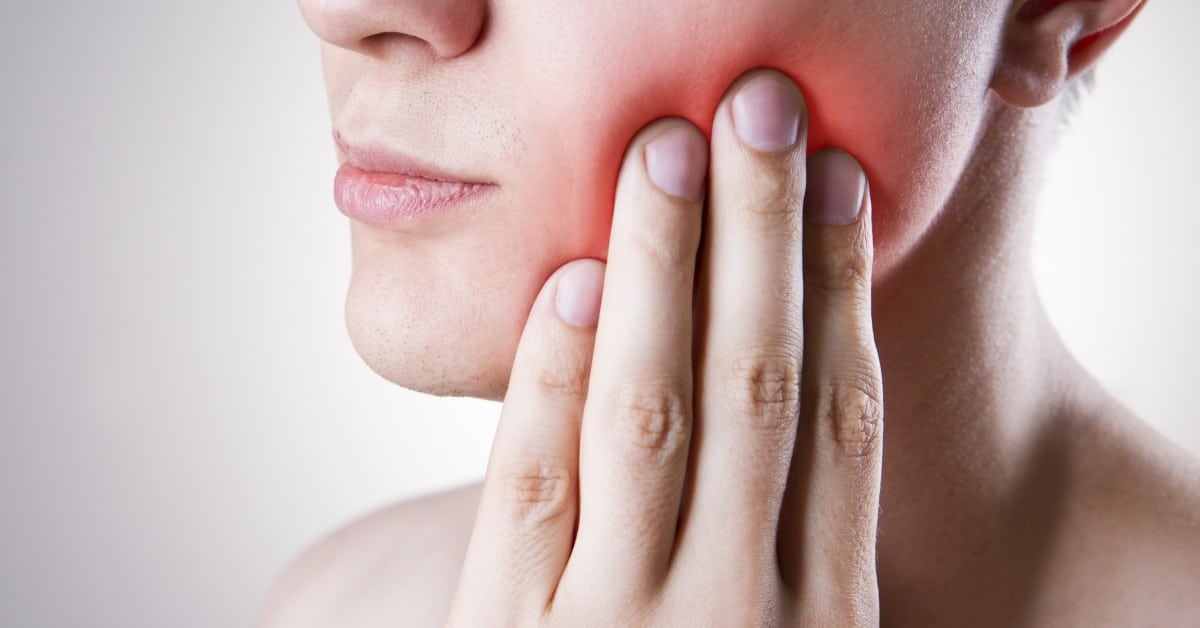
If your wisdom teeth start coming in, you’ll notice that the back of your mouth feels tender or sensitive. Swollen or inflamed gums and pain in those areas is another good indication that your wisdom teeth are coming in and might be causing problems with your teeth and mouth.
Stiffness in Your Jaw
Wisdom teeth start to shift as they come in. This can cause some stiffness and pain outside of your mouth, in your jaw. If you’re noticing pain in your jaw, like stiffness while you eat or limitations with the ways you can move or open your mouth, it might be time to get those wisdom teeth removed.
Headaches
When your wisdom teeth are stuck underneath your gums (vertical wisdom teeth), pressure can build up under your gums. While some of this pressure could be the pain or stiffness you’re feeling in your jaw, that pressure can also trigger headaches — especially if you’re already susceptible to headaches. If you still have your wisdom teeth, discuss with your dentist to see if impacted wisdom teeth could be triggering your headaches.
Cysts
If wisdom teeth are ignored as they start to grow in, they can cause cysts to form in your mouth. These cysts are filled with fluid that can start to damage and impact the roots of your teeth. Meet with a dentist to both treat those cysts and remove the source of the problem.
Infection
Since wisdom teeth can come in at an awkward angle, they can leave your gums exposed and susceptible to infection. Food is able to get stuck in those openings, putting you more at risk of infections. Watch for signs of an infection, like bad breath, pain, swelling, pain, or a fever.
Schedule Wisdom Removal Today
If you’re ready to schedule your wisdom teeth removal — or are experiencing any pain or problems from your wisdom teeth — First Hill Dental Center-Dr. Singh DMD is here to help. Please schedule an appointment with our dentist to discuss your removal options! And while you’re here, learn more about our additional dental services on our blog:
FAQ
-
How do I know if my wisdom teeth need to be removed?
Common signs include persistent pain at the back of your mouth, swollen or bleeding gums, jaw stiffness, bad breath, or difficulty opening your mouth fully. A dental exam and X-ray can confirm whether removal is necessary. -
What problems can wisdom teeth cause if they are not removed?
Impacted wisdom teeth can lead to infections, gum disease, tooth decay, damage to nearby teeth, and cyst formation in the jaw if they are not treated in time. -
At what age should wisdom teeth be removed?
Most people have their wisdom teeth evaluated between the ages of 17 and 25, when the teeth begin to develop and before complications occur. -
Is wisdom tooth removal always necessary?
Not always. If the wisdom teeth grow in properly, are healthy, and do not crowd nearby teeth, they may not need to be removed. However, many people experience issues due to a lack of space in the jaw. -
Can wisdom teeth cause headaches or jaw pain?
Yes. Impacted or infected wisdom teeth can create pressure in the jaw, which may lead to headaches, ear pain, and discomfort while chewing. -
How long does it take to recover from wisdom tooth removal?
Most patients recover within 3–7 days, although complete healing of the gums may take a few weeks, depending on the complexity of the extraction.