
Can Gum Disease Lead to Tooth Loss?
October 3, 2024
Gum disease, also known as periodontal disease, is a common yet serious condition that affects the health of your gums and the supporting structures of your teeth. If left untreated, gum disease can progress and lead to devastating consequences, including tooth loss. Understanding how gum disease works, its stages, and how it can be prevented is crucial to maintaining both your oral health and your overall well-being.
What Is Gum Disease?
Gum disease is an infection of the tissues that surround and support your teeth, primarily caused by plaque-a sticky, bacteria-filled film that forms on your teeth. Poor oral hygiene is the most common cause of gum disease, but other factors, such as smoking, genetics, and certain health conditions (like diabetes), can increase the risk of developing it.
Gum disease can be broadly categorized into two stages: gingivitis and periodontitis.
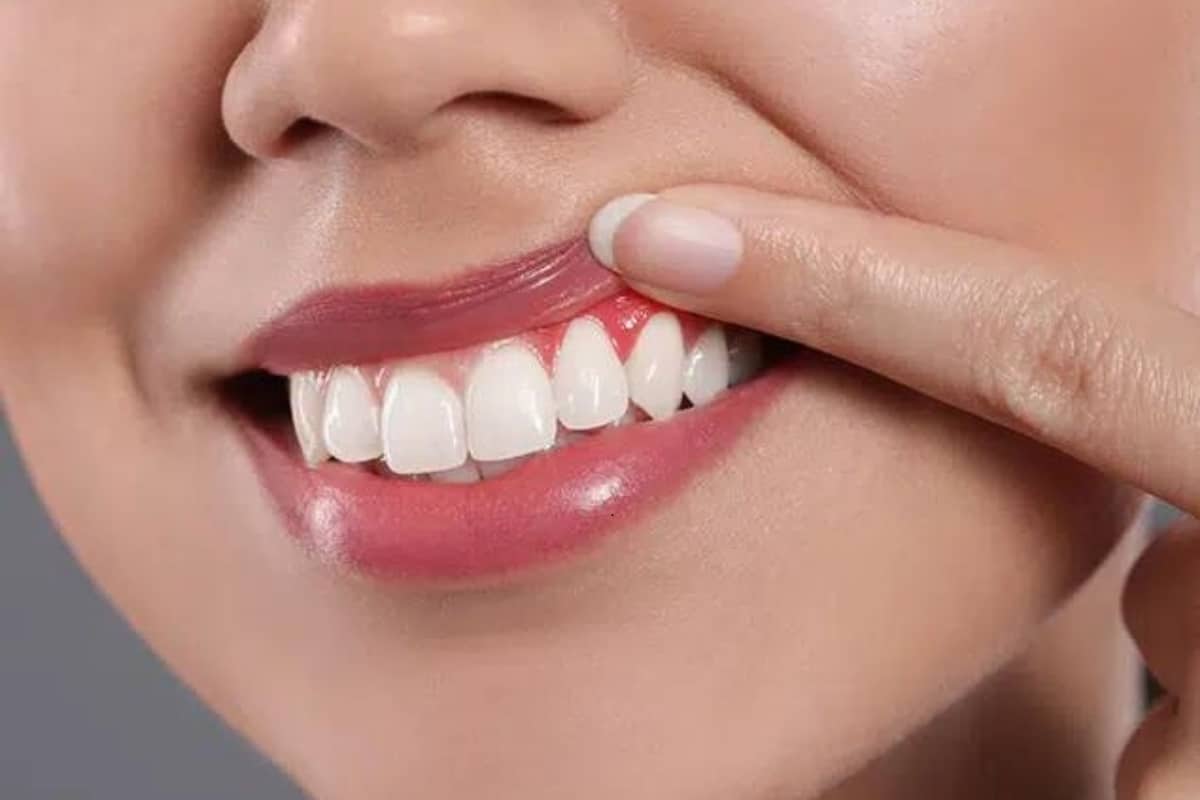
- Gingivitis: This is the mild, early stage of gum disease and involves inflammation of the gums. Symptoms include red, swollen gums that may bleed when brushing or flossing. Gingivitis is reversible with good oral hygiene and professional dental care.
- Periodontitis: If gingivitis is left untreated, it can progress into periodontitis. At this stage, the infection extends below the gum line and starts to damage the bone and connective tissues that hold the teeth in place. Periodontitis is not reversible and can cause permanent damage, including tooth loss.
How Gum Disease Leads to Tooth Loss
When gum disease progresses to periodontitis, the supporting structures of the teeth become compromised. Here’s how this process leads to tooth loss:
- Infection and Inflammation: Plaque buildup along the gum line leads to inflammation, causing the gums to pull away from the teeth and form pockets. These pockets collect more bacteria, leading to further infection.
- Gum Recession: As the infection worsens, the gums recede, exposing more of the tooth root. This can cause sensitivity and increase the risk of decay on the exposed roots.
- Bone Loss: The infection begins to attack the jawbone that supports the teeth. As the bone deteriorates, the teeth lose their stable foundation, becoming loose.
- Tooth Mobility and Loss: Without adequate support from the bone and gums, the teeth start to shift or become loose. In advanced cases of periodontitis, the teeth may fall out on their own, or they may need to be extracted by a dentist to prevent further complications.
Risk Factors for Gum Disease and Tooth Loss
Certain factors can increase the risk of developing gum disease and subsequently experiencing tooth loss. These include:
- Poor Oral Hygiene: Inadequate brushing and flossing allow plaque and tartar to accumulate on the teeth, leading to gum disease.
- Smoking and Tobacco Use: Tobacco use is a major risk factor for gum disease, as it impairs blood flow to the gums and affects the body’s ability to heal.
- Genetics: Some individuals are more genetically predisposed to gum disease, regardless of their oral hygiene habits.
- Diabetes: People with diabetes are at a higher risk for gum disease due to decreased blood flow and a weakened immune response.
- Age: Gum disease becomes more common with age, and older adults are more likely to experience tooth loss as a result of periodontitis.
- Hormonal Changes: Pregnancy, menopause, and other hormonal changes can make the gums more susceptible to inflammation and infection.
Preventing Gum Disease and Tooth Loss
Fortunately, gum disease and tooth loss are preventable with proper oral hygiene and regular dental care. Here are some key steps to protect your gums and teeth:
- Brush and Floss Daily: Brush your teeth at least twice a day and floss once a day to remove plaque from your teeth and gums. Pay special attention to the gum line to prevent plaque buildup.
- Use Mouthwash: An antibacterial mouthwash can help reduce the amount of bacteria in your mouth, lowering your risk of gum disease.
- Visit the Dentist Regularly: Regular dental checkups and cleanings are essential for preventing gum disease. Your dentist can remove plaque and tartar that brushing and flossing miss and detect early signs of gum disease before it progresses.
- Quit Smoking: If you smoke or use tobacco, quitting is one of the best things you can do for your gum health. Smoking weakens your immune system and makes it harder for your gums to heal from infections.
- Control Underlying Health Conditions: If you have a condition like diabetes, managing your blood sugar levels can help reduce your risk of developing gum disease.
- Eat a Balanced Diet: A diet rich in vitamins and minerals, particularly vitamin C and calcium, can support gum health and reduce inflammation.
Treatment for Gum Disease
If you are already experiencing gum disease, it is important to seek treatment from a periodontist Seattle to prevent further damage. Treatment options for gum disease vary depending on the severity of the condition and may include:
- Professional Cleanings: During a routine cleaning, your dentist or dental hygienist will remove plaque and tartar from your teeth, especially around the gum line.
- Scaling and Root Planing: This deep cleaning procedure is used to remove plaque and tartar from below the gum line and smooth the roots of the teeth to help the gums reattach to the teeth.
- Antibiotic Therapy: In some cases, your dentist may prescribe antibiotics to treat the infection and reduce inflammation.
- Surgical Procedures: In advanced cases of periodontitis, surgery may be necessary to reduce the depth of the pockets between the teeth and gums or to regenerate lost bone and tissue.
Conclusion
Gum disease is a serious condition that can lead to tooth loss if left untreated. By maintaining good oral hygiene, avoiding risk factors like smoking, and visiting the dentist regularly, you can prevent gum disease and protect your teeth. If you notice symptoms like red, swollen, or bleeding gums, it’s important to seek treatment early to prevent the progression of the disease. Don’t wait until it’s too late action today to preserve your smile for a lifetime.