
Choosing Between Invisalign and Braces: Key Differences Explained
February 20, 2026
A confident smile reflects more than appearance — it represents comfort, oral health, and self-confidence. One of the most common questions patients ask during a consultation is: Invisalign vs braces — which option is better? Both treatments are designed to straighten teeth, correct bite issues, and improve long-term dental health. However, differences in technology, maintenance, visibility, cost, and effectiveness mean the best choice depends on your individual orthodontic needs.
This guide provides an evidence-based comparison of Invisalign and traditional braces to help you make an informed decision with your orthodontic provider.
Understanding Orthodontic Treatment
Orthodontic care works by applying controlled, gentle pressure over time to guide teeth into proper alignment. This biological process, known as bone remodeling, allows teeth to gradually shift into healthier and more functional positions.
Whether you choose clear aligners or fixed braces, treatment requires careful planning, monitoring, and professional oversight to ensure predictable and safe results.
What Is Invisalign?
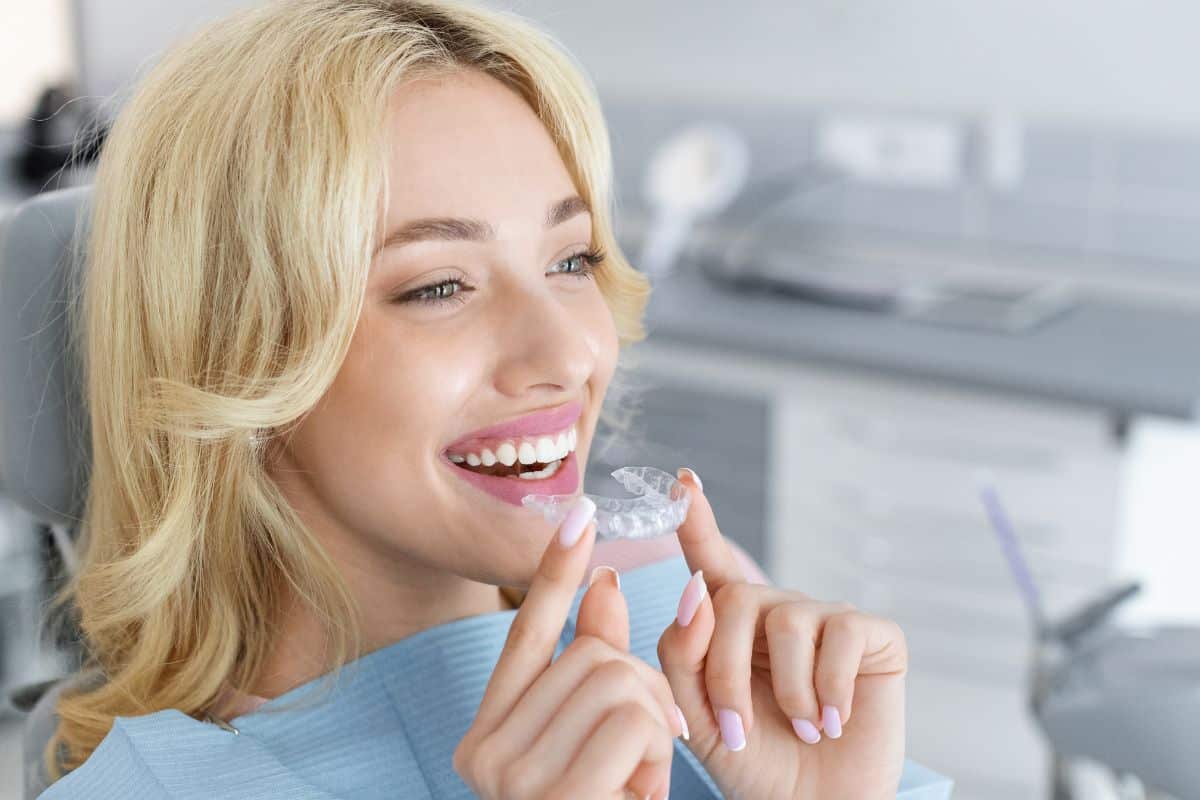
Invisalign is a clear aligner system that uses custom-made, transparent trays to gradually move teeth. Each aligner is digitally designed using 3D imaging technology and worn for approximately one to two weeks before switching to the next set.
Key Features:
- Made from smooth, medical-grade plastic
- Nearly invisible when worn
- Removable for eating and oral hygiene
- Designed primarily for mild to moderate alignment issues
Because the aligners are removable, patients must wear them 20–22 hours per day for effective results. Consistency is essential to stay on schedule.
What Are Traditional Braces?
Traditional braces use metal or ceramic brackets bonded to the teeth and connected with wires and elastics. These components work together to apply steady pressure and guide tooth movement.
Key Features:
- Fixed appliance (not removable)
- Suitable for mild to severe misalignment
- Effective for complex bite corrections
- Adjusted periodically during office visits
Braces have been used for decades and remain highly effective, especially for significant crowding, severe bite discrepancies, or complex tooth movements.
How These Treatments Move Teeth
Both systems rely on controlled force:
- Invisalign: Uses a series of precisely calibrated aligners to shift teeth incrementally.
- Braces: Use brackets and archwires that are adjusted periodically to maintain consistent pressure.
Regular checkups are essential for monitoring progress and making necessary modifications.
Invisalign vs. Braces: Key Differences
1. Appearance
- Invisalign: Clear and discreet; often preferred by adults and professionals.
- Braces: Visible, though ceramic options are less noticeable than metal brackets.
2. Treatment Planning & Technology
- Invisalign: Digital scans create a virtual treatment simulation before treatment begins.
- Braces: Adjustments are made in-office, allowing real-time control of tooth movement.
3. Effectiveness
- Invisalign: Best suited for mild to moderate cases.
- Braces: More effective for complex orthodontic conditions and significant bite correction.
Pros and Cons of Invisalign
Advantages
- Nearly invisible appearance
- Removable for meals and brushing
- Smooth material reduces irritation
- Typically fewer in-office visits
Disadvantages
- Requires strict daily wear compliance
- May not be ideal for severe orthodontic problems
- Costs can be slightly higher depending on case complexity
Pros and Cons of Braces
Advantages
- Highly effective for complex cases
- No reliance on patient compliance
- Strong, consistent tooth movement
- Suitable for all age groups
Disadvantages
- More noticeable
- Food restrictions required
- Oral hygiene requires extra effort
- Possible temporary soreness after adjustments
Treatment Duration
- Invisalign: Often 6–18 months for mild to moderate issues
- Braces: Typically 18–24 months, sometimes longer for complex cases
While Invisalign treatment is effective for simpler cases, braces often provide more predictable outcomes in severe conditions.
Lifestyle Considerations
Eating & Drinking
- Invisalign: No food restrictions since aligners are removed.
- Braces: Avoid sticky, hard, or chewy foods that may damage brackets.
Oral Hygiene
- Invisalign: Easier brushing and flossing due to removability.
- Braces: Require special tools such as floss threaders or interdental brushes.
Which Option Is Right for You?
There is no universal “better” choice. The right treatment depends on:
- Severity of alignment issues
- Bite correction needs
- Lifestyle preferences
- Budget considerations
- Commitment to compliance
For patients who prioritize discretion and flexibility, clear aligners may be ideal. For those with complex orthodontic concerns or who prefer a fixed solution, braces may be the better choice.
A comprehensive evaluation ensures the treatment plan aligns with your clinical needs and long-term oral health goals.
FAQ
Which works faster?
In mild cases, Invisalign may work more quickly. For complex cases, braces often provide more controlled movement.
Is Invisalign less painful?
Both treatments may cause temporary discomfort as teeth shift. Invisalign trays typically produce less soft-tissue irritation.
Do braces last longer?
Treatment time depends on complexity, not the appliance itself.
Is one more affordable?
Costs overlap significantly. The complexity of your case influences pricing more than the appliance type.
Final Thoughts
Both Invisalign and braces are scientifically supported orthodontic solutions. Each can effectively improve alignment, enhance oral health, and create a balanced smile when properly managed. The most important factor is professional evaluation and customized treatment planning. At First Hill Dental Center – Dr. Singh DMD, patients receive individualized assessments to determine the safest and most effective orthodontic approach based on their specific needs. Consulting an experienced dental professional ensures you choose the option that delivers both functional stability and long-term confidence in your smile.