
Invisalign or Braces? Understanding the Key Differences
May 8, 2020
It’s not uncommon for middle school or high school students to sport a pair of braces. But with the many advances in dental technology, there are different ways you can straighten your teeth, including Invisalign.
Invisalign vs. Braces
When it comes to making dental decisions, it can be hard to know the pros or cons of choosing braces over Invisalign. But it’s important to understand your options.
Both Invisalign and braces can help straighten crooked teeth, realign your lower and upper jaws, relieve temporomandibular joint pressure, and improve the overall appearance of your teeth and smile. Learn more about the differences between the two, and why Invisalign treatment in Seattle has become a more popular alternative to braces!
Braces
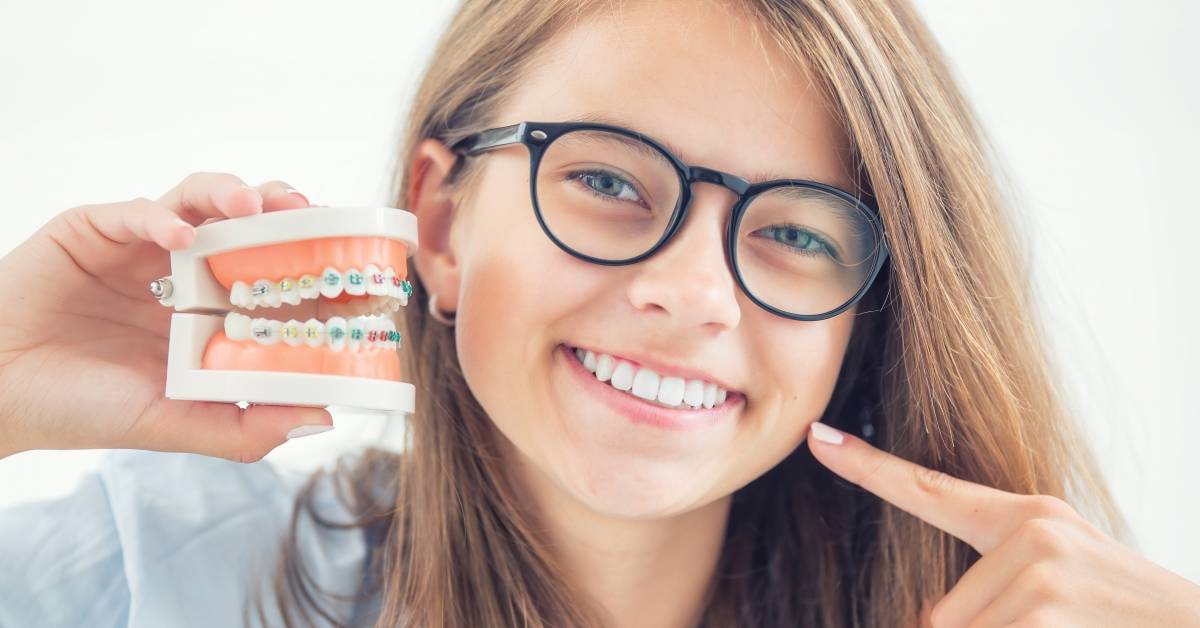
Braces are the most common teeth straightening tool used by dentists. Braces are made out of metal and are affixed to the teeth and secured with a wire and bands. They stay on your teeth anywhere from 18 months to three years, depending on the type of correction or alignment your teeth need.
Benefits of Braces
In addition to straightening your teeth, braces can help prevent gum disease and damage to your teeth in the future. If you have a space or gap between your teeth — or not enough space between your teeth — braces can also help shift those teeth to be in a better position. As for maintenance, you do need to visit a dentist about one a month for tightening or adjustment. But beyond that, you can just brush your teeth like normal, making sure that any excess food caught in the braces gets removed.
Braces are also a great option if you’re looking for an affordable teeth straightening option and are helpful for treating more complex misalignment issues.
Invisalign
Invisalign is a piece of dental technology that is customized to your specific teeth needs. Using Invisalign technology, your dentist will create a three-dimensional image of your teeth. From that, they will develop a treatment plan along with your personalized Invisalign aligners. They are made out of smooth plastic and fit perfectly to your teeth while remaining discreet.
Benefits of Invisalign
Invisalign offers the same benefits as braces, helping to straighten, realign, and shift your teeth. Braces are made with metal brackets that are permanently affixed to your teeth. On the other hand, Invisalign is an invisible aligner that is customized to fit your teeth and help them move into a better or straighten position. On top of that, while you should only remove your Invisalign while you’re eating or brushing your teeth, they aren’t permanently glued to your teeth like braces.
This makes Invisalign a more discrete option for both younger children who don’t want the bulky look or braces or adults who don’t want to have a full set of braces. We can help you get fitted for Invisalign aligners! For an in-depth look at the benefits of Invisalign over braces, read through our previous blog: Invisalign vs. Traditional Braces.
At First Hill Dental Center – Dr. Singh DMD, we can help you get fitted for Invisalign aligners. To schedule a consultation, contact our team today!
Get Started With Us
Braces and Invisalign are two options you have when it comes to straightening your teeth or realigning your bite. If you’re considering Invisalign, make sure you reach out to First Hill Dental Center – Dr. Singh DMD. We can meet with you to discuss your teeth alignment option and make sure Invisalign aligners are the best option for your teeth.
FAQ
What is the main difference between Invisalign and traditional braces?
The main difference is that Invisalign uses clear, removable aligners to straighten teeth, while traditional braces use metal or ceramic brackets attached to the teeth with wires. Invisalign aligners are nearly invisible and removable, whereas braces are fixed in place throughout treatment.
Is Invisalign as effective as braces?
Yes, Invisalign can be just as effective as braces for mild to moderate alignment issues. However, for complex cases involving severe crowding, bite problems, or major tooth rotation, traditional braces may provide more precise control.
Which option works faster: Invisalign or braces?
Treatment time depends on the complexity of your case. Invisalign typically takes 12–18 months for mild to moderate cases, while braces can take 18–24 months or longer for more complex corrections. Your dentist or orthodontist will determine the best timeline.
Are Invisalign aligners more comfortable than braces?
Many patients find Invisalign more comfortable because there are no wires or brackets that may irritate the cheeks and gums. However, some pressure is normal when switching to a new set of aligners. Braces may cause temporary discomfort after adjustments.
Can I eat normally with Invisalign or braces?
With Invisalign, you can remove the aligners before eating, so there are no food restrictions. With braces, certain hard, sticky, or chewy foods should be avoided to prevent damage to brackets and wires.