
The Essential Guide to Retainer Use After Invisalign or Braces
June 19, 2024
Congratulations! You’ve just completed your journey with Invisalign or braces, and now you have that perfect smile you’ve always wanted. However, your orthodontic treatment doesn’t end here. The next crucial phase is retainer use, which ensures that your teeth stay in their new correct positions. In this comprehensive guide, we’ll delve into why retainers are essential, the types of retainers available, how to care for them, and what to expect as you transition to this new stage. Let’s get started with insights from top orthodontists in Seattle, including those specializing in Invisalign.
Why Are Retainers Important After Invisalign or Braces?
After your teeth have been moved into their new positions with Invisalign or braces, they need time to stabilize. The tissues around your teeth, including the bones, gums, and ligaments, must adapt to these new positions. Without a retainer, your teeth may gradually shift back to their original alignment, undoing all the progress made during your orthodontic treatment. This is why retainers are a critical part of post-treatment care.
Types of Retainers: Choosing the Right One
When it comes to retainers, there are mainly three types: Hawley retainers, clear retainers, and fixed retainers. Your orthodontist in Seattle will recommend the best type for your specific needs.
- Hawley Retainers:
- Description: These are made of a combination of metal wires and acrylic. They are removable and can be adjusted by your orthodontist.
- Advantages: Durable, can be adjusted for minor movements, allows bite correction.
- Disadvantages: Visible metal wire, can be uncomfortable initially.
- Clear Retainers:
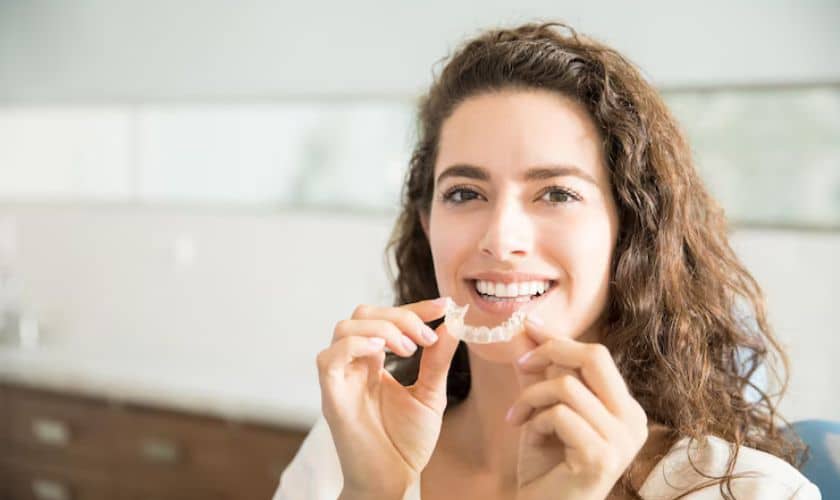
- Description: Also known as Essix retainers, these are made of clear plastic and fit over your teeth, similar to Invisalign aligners.
- Advantages: Nearly invisible, comfortable, easy to clean.
- Disadvantages: Less durable than Hawley retainers, may need replacement more frequently.
- Fixed Retainers:
- Description: These are permanently bonded to the back of your teeth, usually the lower front teeth.
- Advantages: No need to remember to wear them, not visible, no risk of loss.
- Disadvantages: Can be challenging to clean around, and not suitable for all teeth.
Your Invisalign specialist in Seattle might favor clear retainers due to their similarity to Invisalign aligners, making the transition smoother for patients.
How Long Do You Need to Wear Retainers?
The length of time you’ll need to wear retainers differs for each individual. Initially, you may be required to wear your retainer full-time, typically 20-22 hours a day, for several months. After this period, your orthodontist Seattle may advise you to wear your retainer only at night. It’s essential to follow your orthodontist’s instructions closely to maintain your new smile.
Caring for Your Retainer
Proper care of your retainer is crucial to ensure its longevity and effectiveness. Here are some tips:
- Cleaning:
- Hawley and Clear Retainers: Brush your retainer daily with a toothbrush and non-abrasive toothpaste. You can also soak them in a retainer cleaning solution or a mixture of water and baking soda.
- Fixed Retainers: Maintain excellent oral hygiene by brushing and flossing around the retainer carefully. Special floss threaders can help you clean under the wire.
- Storage:
- Always store your removable retainer in its case when you’re not wearing it. This protects it from damage and loss.
- Avoiding Damage:
- Keep your retainer away from heat sources, such as hot water or direct sunlight, as they can warp the plastic.
- Don’t bend the wires or the plastic.
- Regular Check-Ups:
- Schedule regular appointments with your orthodontist in Seattle to ensure your retainer fits correctly and is in good condition.
What to Expect During the Transition Period
As you transition from Invisalign or braces to retainer use, there are a few things to keep in mind:
- Adjustment Period:
- You may experience some initial discomfort or pressure as you get used to wearing your retainer. This is a normal experience and should diminish within a few days.
- Speech Changes:
- You might notice slight changes in your speech when you first start wearing your retainer. Practicing speaking with the retainer can help you adjust more quickly.
- Oral Hygiene:
- Maintaining excellent oral hygiene is crucial, especially if you have a fixed retainer. Regular brushing, flossing, and dental check-ups will help prevent cavities and gum disease.
Common Myths About Retainers Debunked
There are several misconceptions about retainer use. Let’s clear up a few:
- “You Only Need to Wear a Retainer for a Brief Period”:
- Fact: Teeth can shift at any age. Long-term retainer use is often necessary to maintain alignment.
- “Once Teeth Settle, Retainers Are No Longer Needed”:
- Fact: Teeth can continue to move over time due to natural changes in your mouth. Wearing your retainer as prescribed helps prevent this.
- “Clear Retainers Are Less Effective Than Hawley Retainers”:
- Fact: Both types of retainers are effective when used as directed. The choice depends on personal preference and specific orthodontic needs.
Final Thoughts: The Role of Your Orthodontist
Your orthodontist plays a vital role in your post-treatment care. Regular follow-up appointments allow your orthodontist to monitor your progress and make any necessary adjustments to your retainer. Whether you have Invisalign or traditional braces, the commitment to wearing your retainer is a small price to pay for maintaining a beautifully aligned smile.
Remember, your journey to a perfect smile doesn’t end when the braces come off or the last Invisalign Seattle tray is used. Consistent retainer use, guided by your orthodontist in Seattle, is key to enjoying the lasting benefits of your hard-earned, beautiful smile.