
Signs You Might Need Orthodontic Treatment And What to Do About It
August 24, 2026
Do your teeth feel crowded at the end of a long day, or does your jaw click every time you take a big bite? Small signals like these are often the first clue that it’s time to consider orthodontic treatment. Many patients wait years before addressing what turns out to be a straightforward bite or alignment issue, only because they weren’t sure what counted as “bad enough” to see a dentist about it. If you live in or around Seattle and you’ve been wondering whether your smile needs professional attention, this guide walks through the physical and functional signs worth paying attention to, and what orthodontic treatment at First Hill Dental Center – Dr. Singh DMD can look like once you get there.
Quick answer: Common signs you may need orthodontic treatment include crowded or overlapping teeth, gaps that seem to be widening, jaw pain or clicking, difficulty biting or chewing, frequent cheek biting, and speech changes. If any of these sound familiar, a dental evaluation can confirm whether treatment is recommended.
Why Alignment Issues Don’t Always Announce Themselves
Orthodontic problems rarely show up overnight. Teeth shift gradually, jaws grow unevenly, and bite patterns change so slowly that patients often adjust without realizing anything is wrong. That’s part of what makes self-assessment tricky. A person might attribute jaw fatigue to stress or chalk up chewing discomfort to a “sensitive tooth,” when the underlying cause is actually a misaligned bite that’s been developing for years.
This is also why routine dental visits matter beyond cavity checks. A trained eye can catch early signs of malocclusion — the clinical term for a bite that doesn’t line up correctly — well before it becomes uncomfortable or visually obvious.
Physical Signs to Watch For
Crowded, overlapping, or rotated teeth. When there isn’t enough room along the jaw, teeth compete for space. This often shows up first in the lower front teeth, which can start to overlap or twist slightly out of position.
Gaps that seem to be growing. Some spacing between teeth is normal, but gaps that widen over time may point to tongue-thrust habits, missing teeth, or a jaw that’s larger than the number of teeth requires.
A bite that doesn’t quite meet. Open bites, deep bites, and crossbites all describe different ways the upper and lower teeth fail to align properly when the mouth closes. These aren’t always visible to the patient but are usually easy for a dentist to spot.
Jaw clicking, popping, or soreness. Occasional joint sounds aren’t automatically alarming, but a jaw that consistently clicks, locks, or aches — especially alongside chewing difficulty — often points to a bite imbalance affecting the temporomandibular joint.
Functional and Everyday Signs
Beyond appearance, orthodontic issues tend to surface in daily habits:
- Biting the inside of the cheek or tongue more often than seems normal
- Trouble chewing certain foods, or favoring one side of the mouth
- Mouth breathing or snoring, which can be linked to a narrow palate or airway restriction
- Speech changes, particularly with sounds like “s” or “th”
- Uneven wear on certain teeth, visible as flattened edges
None of these signs alone confirms that treatment is necessary, but noticing several together is a reasonable prompt to schedule a consultation rather than wait it out.
It’s Not Just a Childhood Issue
There’s a persistent assumption that orthodontic treatment is something you either did as a teenager or missed the window for entirely. That’s outdated. According to the American Association of Orthodontists, a growing share of orthodontic patients today are adults, many of whom are addressing issues that went untreated earlier in life or that developed with age as teeth naturally shift. Seattle patients in particular often come in after noticing changes in their late twenties or thirties, sometimes prompted by a job that puts them in front of a camera more often, sometimes simply because the discomfort finally outweighs the inconvenience of treatment.
What an Orthodontic Evaluation Actually Involves
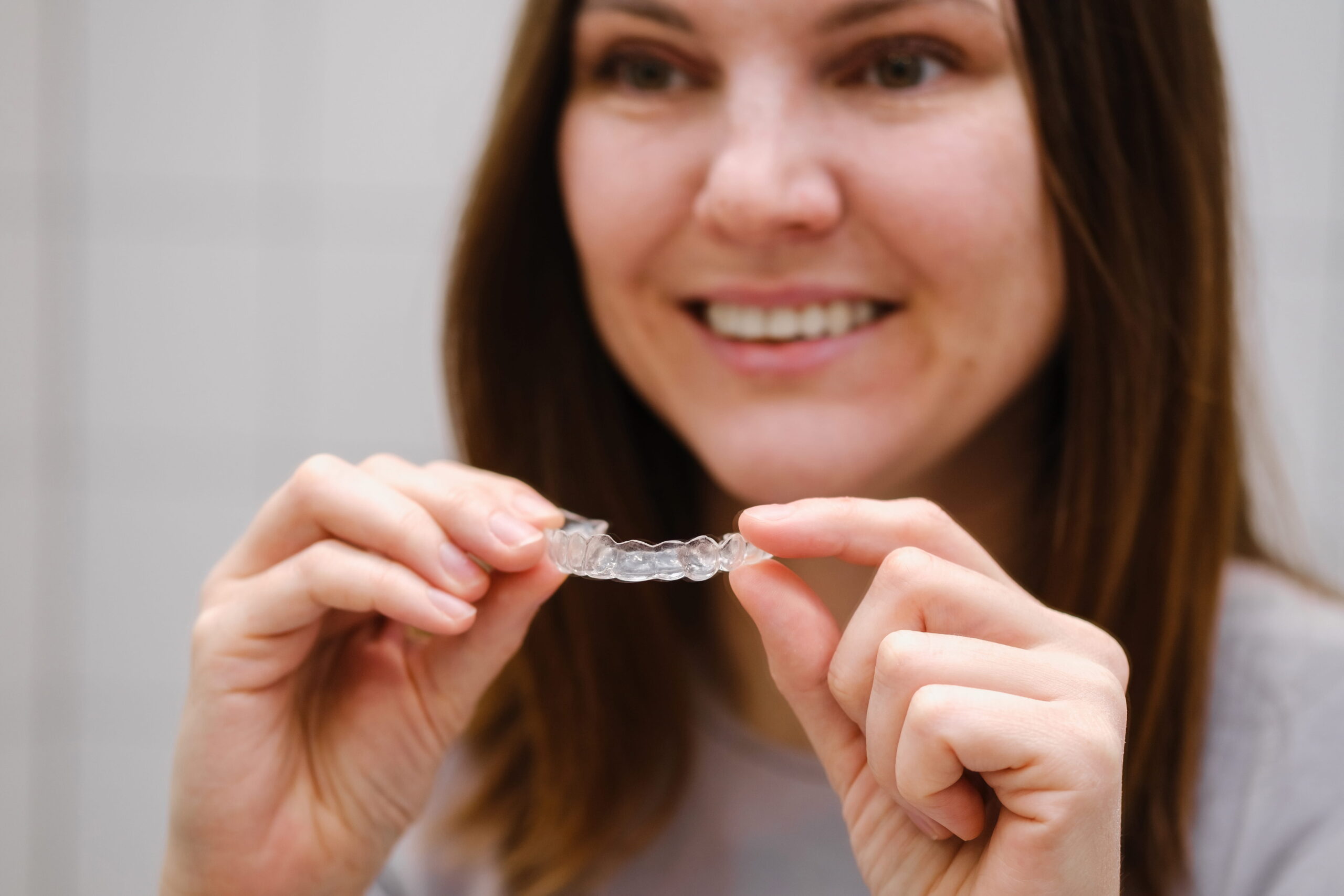
A first visit typically starts with a conversation about your history and concerns, followed by a clinical exam of your bite, jaw movement, and tooth alignment. Depending on what’s found, your dentist may recommend imaging to get a clearer picture of root positioning and jaw structure. From there, comparing orthodontic treatment options — traditional braces, ceramic braces, or clear aligners — comes down to the severity of the misalignment, your daily routine, and personal preference. There’s rarely a single “correct” choice; there’s usually a best fit for the specific case.
Why Timing Matters More Than People Expect
Waiting on orthodontic treatment isn’t just a cosmetic delay. Misaligned teeth are harder to keep clean, which raises the risk of decay and gum disease in the crowded or overlapping areas. An uneven bite also distributes chewing force unevenly, which over years can wear down enamel faster in certain spots than others. Addressing alignment issues sooner tends to mean a more straightforward treatment path, while long-neglected cases sometimes require a longer or more involved plan to correct.
Getting Evaluated in Seattle
If you’re near First Hill, Capitol Hill, or downtown Seattle and you’ve noticed any of the signs above, the next reasonable step is a professional evaluation rather than a guess. A dentist can tell you fairly quickly whether what you’re feeling is a minor cosmetic concern or a functional issue worth correcting, and can walk you through realistic timelines and options based on your specific bite.
Not sure if what you’re noticing adds up to a real orthodontic issue? A short evaluation can give you a clear answer. Schedule a consultation with Dr. Sukhdev Singh at First Hill Dental Center – Dr. Singh DMD, visit our clinic to find out whether orthodontic treatment is right for you and what your options would look like.
FAQ
1. How do I know if I need braces or just have naturally uneven teeth?
Some unevenness is normal and doesn’t require treatment. The distinction usually comes down to function — if crowding is trapping plaque, affecting your bite, or causing jaw discomfort, it’s worth a professional opinion rather than guessing on your own.
2. Can adults still get orthodontic treatment, or is it too late?
Adults make up a significant and growing share of orthodontic patients. Teeth can shift and be corrected at nearly any age, provided the gums and jawbone are healthy enough to support tooth movement.
3. Is jaw clicking always a sign I need orthodontic treatment?
Not necessarily — occasional clicking can be harmless. Frequent clicking, locking, or clicking paired with pain or chewing difficulty is worth having evaluated, since it can be related to bite alignment.
4. How long does orthodontic treatment usually take?
Timelines vary widely based on the complexity of the case, ranging from several months for minor corrections to two years or more for significant misalignment. A consultation is the only reliable way to get a personalized estimate.
5. Does orthodontic treatment hurt?
Most patients experience mild soreness for a few days after adjustments or when starting a new set of aligners, but it’s typically manageable and temporary rather than severe.
6. What happens if I ignore signs I might need orthodontic treatment?
Untreated misalignment can make teeth harder to clean, increase the risk of decay and gum disease, and place uneven stress on the jaw and enamel over time, sometimes leading to a more involved treatment later on.