
Ceramic, Lingual, or Metal: Types of Braces Explained
July 29, 2026
If you’ve started researching orthodontic treatment, you’ve probably noticed the options go well beyond the metal brackets you may remember from childhood. Today, patients weighing their options can choose among traditional metal, tooth-coloured ceramic, and fully hidden behind-the-teeth braces. Each option straightens teeth using the same basic mechanics, but the materials, visibility, and day-to-day experience differ in ways that matter for your lifestyle. At First Hill Dental Center – Dr Singh DMD, patients throughout First Hill and the greater Seattle area work with Dr Sukhdev Singh to determine which appliance fits their bite, budget, and daily routine.
Quick answer: The three main types of braces are metal, ceramic, and lingual. Metal braces are the most affordable and durable, ceramic braces blend in with tooth color for a subtler look, and lingual braces attach to the back of teeth, making them invisible from the front. An orthodontic evaluation determines which option suits your case.
Metal Braces: The Reliable Standard
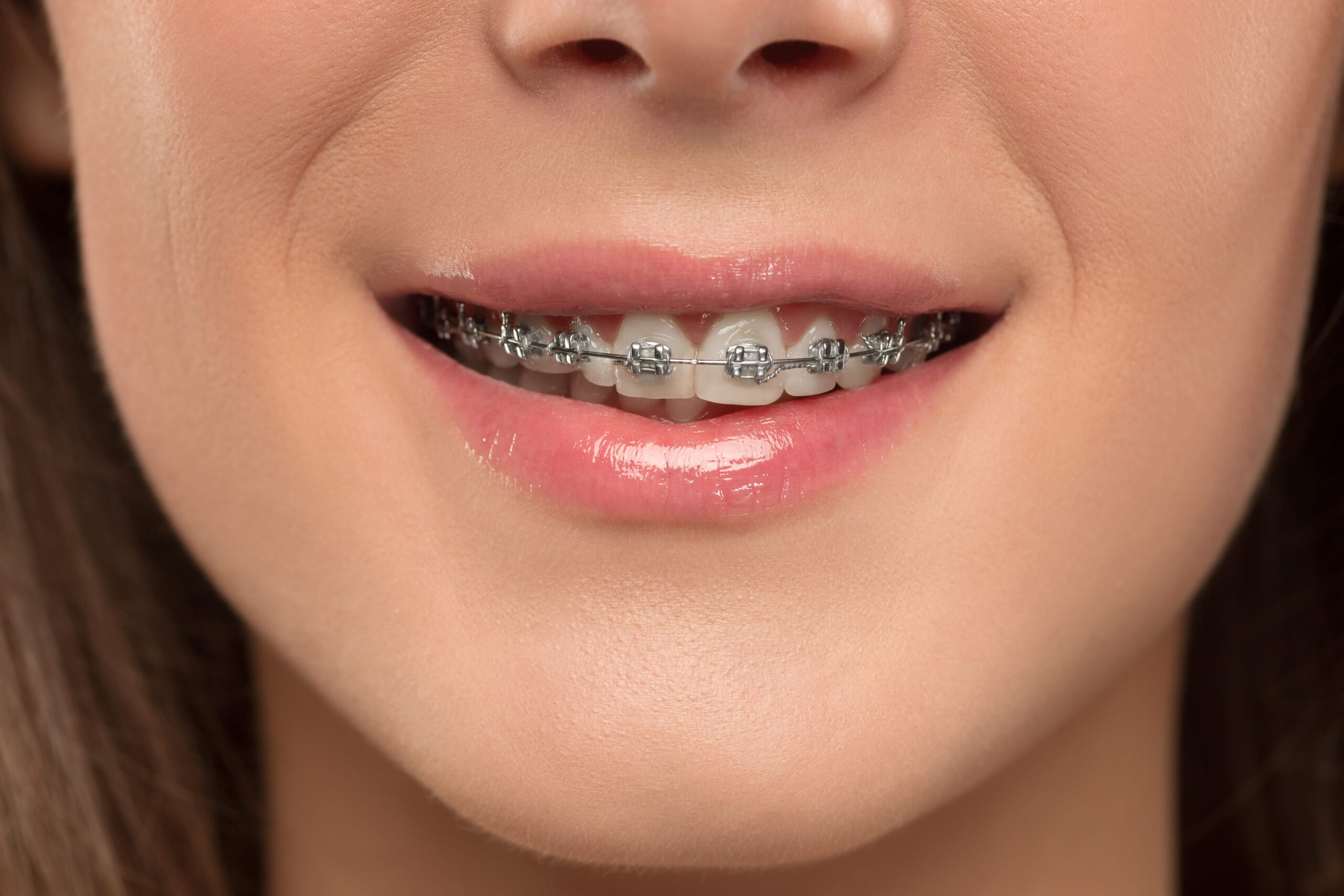
Metal braces remain the workhorse of orthodontic treatment, and for good reason. Stainless steel brackets are bonded to the front of each tooth and connected by an archwire that applies steady, controlled pressure to guide teeth into alignment. Modern brackets are smaller and less bulky than earlier generations, and today’s wires are more flexible, which shortens adjustment discomfort considerably.
Metal braces tend to be the most budget-friendly option and hold up well against complex bite corrections, including significant crowding, overbites, and jaw misalignment. Because the components are so durable, they’re often the go-to recommendation for younger patients or anyone whose case involves substantial tooth movement. The trade-off is visibility: metal braces are the most noticeable option, which is a real consideration for image-conscious teens and working professionals alike.
Ceramic Braces: A Subtler Alternative
Ceramic braces function identically to metal braces, with brackets and wires guiding teeth into position, but the brackets are made from a tooth-colored or clear composite material that blends into your natural smile. For patients who want the predictability of traditional braces without the noticeable metallic look, ceramic is often the middle-ground choice.
There are a few practical differences worth knowing. Ceramic brackets are slightly larger than metal ones and can be more prone to staining if oral hygiene habits slip, particularly around the elastic ties that hold the archwire in place. They’re also somewhat more fragile, so patients need to be mindful with hard or sticky foods. Even so, for adults returning to orthodontic care later in life, or for anyone attending client meetings and job interviews during treatment, the aesthetic benefit is often worth those trade-offs.
Lingual Braces: Straightening Without the Look
Lingual braces take discretion a step further by attaching brackets and wires to the back surface of the teeth, facing the tongue rather than the cheeks. From the outside, it can be nearly impossible to tell you’re wearing braces at all. This makes lingual braces appealing to performers, on-camera professionals, and adults who want a fully custom orthodontic solution without any visible hardware.
The custom fabrication process is more involved than with metal or ceramic braces, since each bracket is precision-made for the back surface of your specific teeth. That customization typically comes with a higher cost and a longer adjustment period, as patients get used to brackets sitting closer to the tongue. Lingual braces also require a skilled, experienced hand, since the appliance is harder to access and adjust than braces mounted on the front of the teeth.
How an Orthodontist Chooses the Right Option
No single type of braces is universally “best.” The right recommendation depends on the complexity of your misalignment, your oral hygiene habits, your budget, and how much visibility matters to you day to day. During a consultation, Dr. Singh reviews your dental and medical history, examines bite alignment, and discusses treatment goals before recommending an appliance. Research from the American Association of Orthodontists consistently shows that consistent oral hygiene during treatment is one of the strongest predictors of a smooth outcome, regardless of which braces you choose, which is why maintaining a solid hygiene routine throughout treatment is part of every treatment plan at our Seattle practice.
Patients from First Hill, Capitol Hill, and the greater Seattle area often ask how long treatment will take. Timelines vary by case, but most comprehensive treatments run between twelve and twenty-four months, with periodic adjustments every four to eight weeks to keep teeth progressing toward their final position. Mild cases involving minor crowding or spacing can sometimes wrap up faster.
Comfort and Care Across All Three Options
Regardless of which type of braces you choose, the fundamentals of care stay consistent: brushing after meals, flossing daily with the help of floss threaders or interdental brushes, and avoiding hard, sticky, or excessively chewy foods that can damage brackets or dislodge wires. Soreness after adjustments is normal and typically fades within a few days as teeth settle into their new position.
Ready to Find the Right Fit
Choosing between ceramic, lingual, and metal braces doesn’t have to be overwhelming. A thorough consultation with an experienced orthodontist takes the guesswork out of the decision and sets realistic expectations for cost, comfort, and treatment length. If you’re weighing your options for orthodontic treatment in Seattle, Dr. Singh brings more than 15 years of experience and a DMD from Temple University’s Kornberg School of Dentistry to every consultation, helping patients across First Hill and the surrounding neighborhoods choose an appliance that fits their smile and their life.
FAQs:
Which type of braces works fastest? Treatment speed depends more on case complexity than bracket material. Metal, ceramic, and lingual braces move teeth at similar rates when adjusted on schedule; mild cases finish faster than comprehensive ones regardless of appliance type.
Are ceramic braces more expensive than metal braces? Yes, ceramic braces typically cost more than metal braces due to the material and slightly more delicate handling required, though the difference is usually modest compared to the jump to lingual braces or clear aligners.
Do lingual braces affect speech? Many patients notice a temporary lisp or speech adjustment during the first few weeks of lingual braces as the tongue adapts to brackets on the back of the teeth. This typically resolves as you get used to the appliance.
Can adults get any type of braces, or are some limited to teens? Adults are candidates for metal, ceramic, and lingual braces alike. The right choice usually comes down to lifestyle, budget, and how much visibility matters, rather than age.
How do I know if I need braces or if Invisalign would work better? That depends on the complexity of your bite and your daily habits. A consultation can compare fixed braces against clear aligner options based on your specific alignment needs.
How often will I need adjustment appointments? Most patients return every four to eight weeks so their orthodontist can tighten wires and check progress, regardless of which type of braces they’re wearing.
Conclusion
Wondering which type of braces is right for your smile? Schedule a consultation with Dr. Sukhdev Singh at First Hill Dental Center in Seattle. Our team will walk you through metal, ceramic, and lingual options, answer your questions about cost and timeline, and help you start orthodontic treatment with confidence. Call our First Hill office today or book your appointment online to take the first step toward a straighter smile.