
How Safe Is Sedation Dentistry? What Seattle Patients Should Know
August 12, 2026
If dental anxiety, a strong gag reflex, or fear of discomfort has kept you from scheduling treatment, you may be wondering: how safe is sedation dentistry? When the appropriate sedation method is selected and administered by a properly trained dental professional, sedation can be a safe way to help patients feel calmer and more comfortable during dental care. At First Hill Dental Center, sedation dentistry in Seattle is used to help patients manage anxiety, discomfort, and gag reflex concerns while receiving needed dental treatment.
Safety, however, is not simply about taking a sedative. The type of sedation, medication, dosage, medical history, and the patient’s response all matter. Understanding these factors can help you have a more informed conversation with your dentist.
How Safe Is Sedation Dentistry?
For appropriately selected patients, dental sedation has a well-established safety record when it is provided by trained professionals using appropriate techniques and monitoring. The American Dental Association’s updated 2025 sedation guidelines emphasize patient assessment, appropriate dosing, monitoring, emergency preparedness, and education as important parts of safe sedation practice.
Sedation does not mean that every patient receives the same medication or reaches the same level of sedation. Patients can respond differently to sedative agents, which is why an individualized assessment is important.
At First Hill Dental Center, the practice explains that patients may have different oral health needs and may respond differently to sedative agents. The dental team considers factors such as anxiety, pain, and gag reflex when discussing suitable sedation options.
What Makes Sedation Dentistry Safe?
Several factors contribute to safe sedation. The goal is not simply to make a patient sleepy; it is to provide an appropriate level of relaxation while maintaining patient safety throughout dental care.
1. Choosing the Appropriate Sedation Method
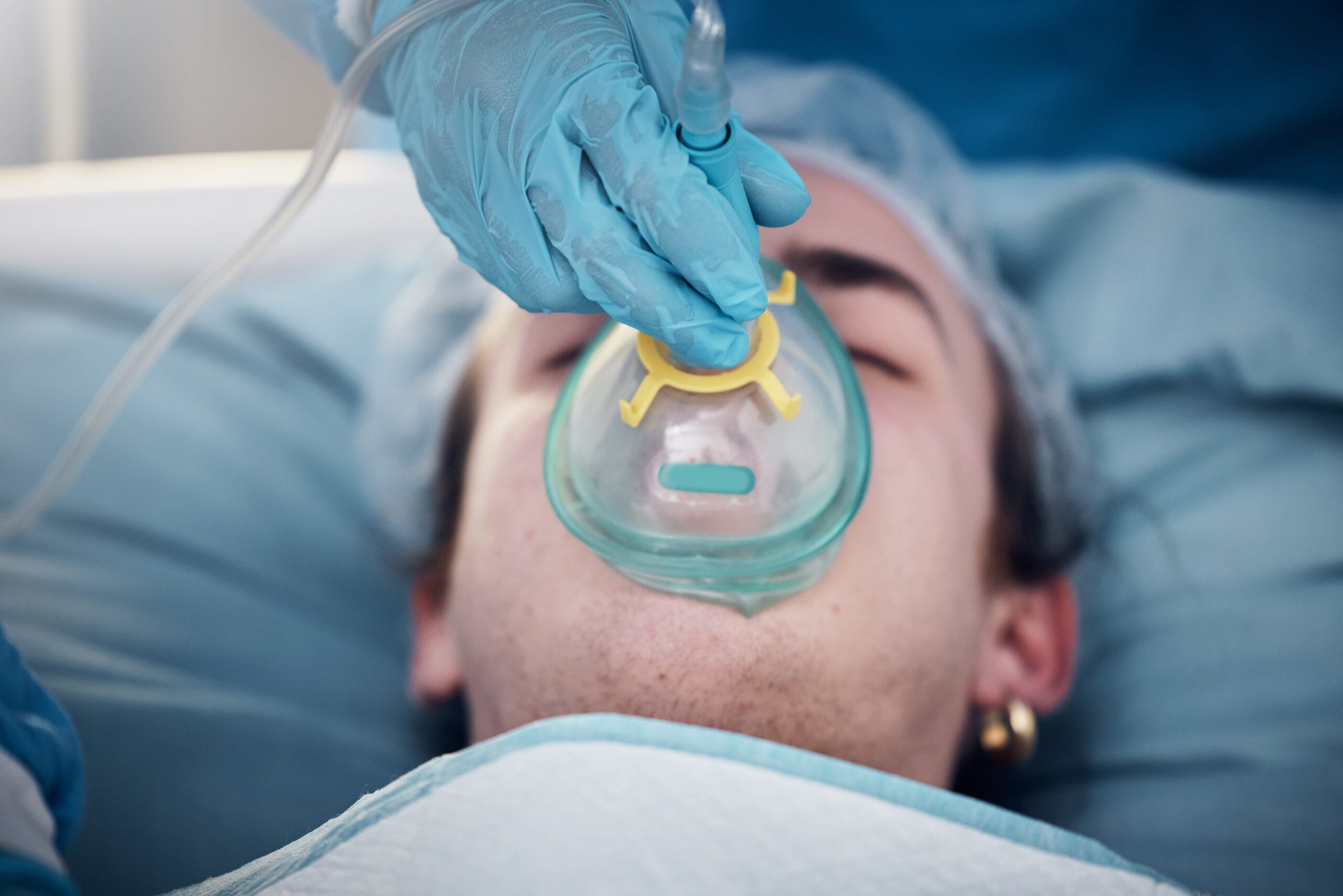
First Hill Dental Center’s sedation dentistry page describes two options: nitrous oxide and oral sedation. Nitrous oxide is inhaled through the nose and is described as helping minimize discomfort and the gag reflex. Oral sedation involves taking a pill approximately an hour before the appointment and can produce greater drowsiness.
These approaches are not interchangeable for every patient. Your dentist should determine whether a particular method is appropriate based on your circumstances and planned treatment.
2. Understanding Your Medical History
Before sedation, patients should tell their dental team about relevant medical conditions, medications, allergies, previous reactions to anesthesia or sedation, and other factors that could affect treatment.
Sleep-related breathing conditions are particularly important to discuss. The American Dental Association notes that patients with obstructive sleep apnea should inform healthcare providers, including dentists, because the condition can be relevant to safety when sedation or anesthesia is used.
Being open about your health history gives your dentist the information needed to make safer treatment decisions.
3. Using Appropriate Dosing
Sedative medications are not one-size-fits-all. The amount and type of medication should be selected according to the patient’s individual circumstances and the intended level of sedation.
The ADA’s updated guidance specifically addresses considerations such as weight-based dosing and baseline vital signs, reinforcing the importance of individualized assessment rather than relying on a standard dose for every patient.
4. Preparing for Possible Emergencies
Even routine dental treatment requires appropriate preparation for unexpected medical events. Dental practices that provide sedation should have procedures for recognizing and responding to patient distress and medical emergencies.
The ADA identifies emergency planning, appropriate equipment and medications, and staff preparedness as important components of dental-office safety.
What Types of Sedation Are Used at First Hill Dental Center?
The sedation options described by First Hill Dental Center include nitrous oxide and oral sedation.
Nitrous oxide: Often called laughing gas, nitrous oxide is inhaled and can help patients feel more relaxed during dental care. The ADA describes nitrous oxide combined with oxygen as a safe and effective method for managing pain and anxiety in dentistry when appropriately administered.
Oral sedation: First Hill Dental Center explains that oral sedation is taken as a pill about an hour before an appointment. It can make patients drowsy, and some patients may fall asleep during treatment. Because of this drowsiness, the practice specifically advises arranging transportation to and from the appointment.
The appropriate option depends on the individual patient and the planned dental care.
Is Sedation the Same as Being Completely Asleep?
No. Sedation and general anesthesia are different levels of altered consciousness.
Dental sedation can range from minimal to deeper levels depending on the medication and technique. Sedation is generally intended to reduce anxiety and help patients remain comfortable and cooperative; it does not automatically mean that a patient is unconscious.
This distinction is important because patients sometimes assume that sedation eliminates the need for local anesthesia. The ADA notes that sedation may reduce fear and anxiety but does not by itself necessarily eliminate the pain response, which is why local anesthetic techniques remain an important part of dental pain control.
Who May Benefit From Sedation Dentistry?
Sedation may be worth discussing if you experience:
- Significant dental anxiety or fear
- A pronounced gag reflex
- Anxiety related to previous dental experiences
- Difficulty remaining comfortable during dental treatment
- Concern about discomfort during dental procedures
First Hill Dental Center specifically identifies anxiety relief, reduction of the gag reflex, pain relief for various dental work, and helping the dentist work more efficiently among the potential benefits of sedation dentistry.
Sedation is not necessarily required for every anxious patient or every procedure. A consultation can help determine whether it is appropriate for your situation.
What Should You Do Before a Sedation Appointment?
Your dentist should provide specific preparation instructions based on the sedation method and your treatment. Follow those instructions carefully rather than relying on general advice found online.
If oral sedation is prescribed, transportation is especially important because the medication can cause drowsiness. Visit First Hill Dental Center clinic, we specifically advises patients using oral sedation to arrange transportation to and from the appointment.
Before your appointment, make sure your dental team knows about:
- Current medications and supplements
- Medication allergies
- Previous problems with sedation or anesthesia
- Relevant medical conditions
- Breathing or sleep-related conditions
- Any concerns about the planned treatment
The more complete your health information is, the better your dental team can evaluate your treatment needs.
Is Sedation Dentistry Right for You?
The safest answer to how safe is sedation dentistry is that safety depends on the individual patient, the sedation method, appropriate dosing, professional training, and proper preparation.
For someone in Seattle who has been postponing dental care because of anxiety or discomfort, sedation may provide an option worth discussing. First Hill Dental Center combines sedation with a gentle approach and evaluates individual concerns such as anxiety, pain, and gag reflexes when considering sedation options.
If dental fear has been keeping you from addressing your oral health, a consultation can help you understand whether sedation is appropriate and what to expect from treatment.
FAQs
Is sedation dentistry safe?
Sedation dentistry can be safe for appropriately selected patients when the sedation method, dosage, monitoring, and emergency preparedness are appropriate. Your dentist should evaluate your medical history and individual needs before recommending sedation.
What is the safest type of dental sedation?
There is no single sedation method that is safest for every patient. First Hill Dental Center describes nitrous oxide and oral sedation as available options, with the appropriate choice depending on the patient’s needs and circumstances.
Can I be awake during dental sedation?
Yes. Sedation does not automatically mean being completely unconscious. Depending on the method and level of sedation, patients may remain awake and able to respond while feeling more relaxed or drowsy.
Does dental sedation completely remove pain?
Not necessarily. Sedation primarily helps manage anxiety and relaxation. The ADA explains that sedation does not by itself fully control pain, so local anesthetic may still be used as part of dental pain management.
Can I drive after oral dental sedation?
You should not plan to drive yourself after oral sedation if it causes drowsiness. First Hill Dental Center specifically instructs patients receiving oral sedation to arrange transportation to and from the appointment.