
Am I a Candidate for Dental Implants?
June 11, 2026
If you’ve been living with a missing tooth — or several — you’ve probably wondered whether dental implants are even an option for you. It’s one of the most common questions patients ask at First Hill Dental Center, and the honest answer is: most adults are good candidates, but not everyone qualifies right away. Understanding what Seattle dentists evaluate before recommending dental implants in Seattle can save you time, set realistic expectations, and help you take the right first step.
What Makes Someone a Good Candidate for Dental Implants?
Implant dentistry isn’t one-size-fits-all. At First Hill Dental Center, Dr. Kevin Suzuki — a Diplomate of the American Board of Periodontics and a certified specialist in oral implantology, performs thorough evaluations before any treatment plan is created. Here’s what that assessment typically includes.
Sufficient Jawbone Density
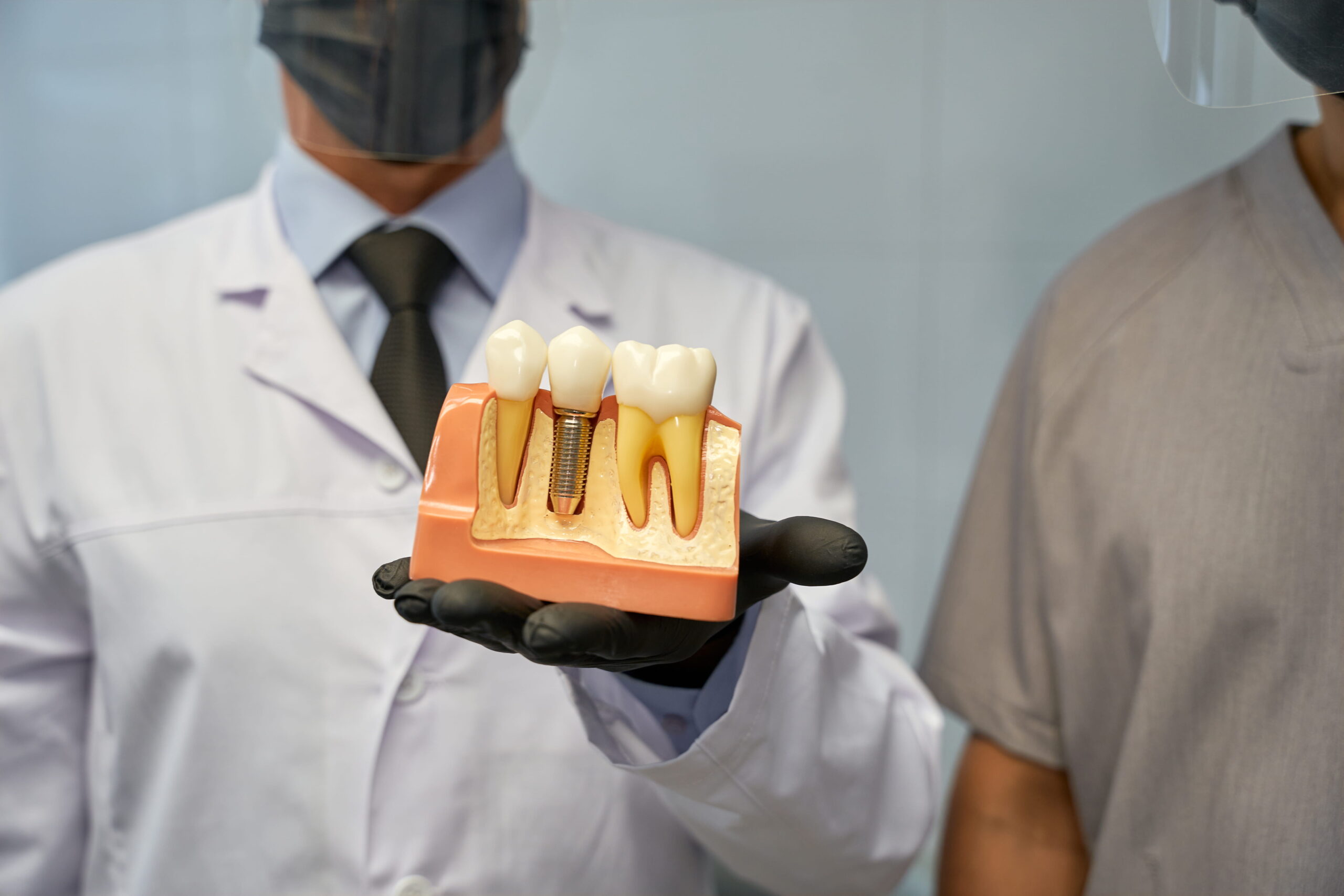
The titanium post at the heart of every implant needs enough healthy bone to fuse with, a process called osseointegration. Without adequate jawbone volume, the implant won’t have a stable foundation.
Bone loss is common after tooth loss, because the jawbone naturally begins to resorb when it no longer has a root to support. This is one reason timing matters: the longer a tooth has been missing, the more bone loss may have occurred.
If bone density is insufficient, a bone graft can often rebuild the area before implant placement. This adds time to treatment, but it’s a well-established solution that opens up implant candidacy for many patients who might otherwise be ruled out.
Healthy Gums
Active gum disease (periodontitis) is one of the most common barriers to implant treatment. Bacterial infection in the gums creates an environment where implants are at much higher risk of failure, a condition called peri-implantitis.
The good news: gum disease is treatable. At First Hill Dental Center, the team provides periodontal care in-house, which means patients can address gum issues and move forward with implant planning without being referred elsewhere.
Overall Oral and Medical Health
Your dentist will also consider your broader health picture. Certain conditions and habits can affect how well implants integrate and heal:
- Smoking and tobacco use significantly slow healing and reduce implant success rates. Patients are typically counseled to quit or reduce use before and after surgery.
- Uncontrolled diabetes can impair healing; well-managed diabetes, however, doesn’t automatically disqualify someone from implants.
- Autoimmune conditions or medications that suppress the immune system may affect candidacy and are evaluated case by case.
- Osteoporosis, particularly when treated with bisphosphonate medications, requires special consideration before jaw surgery.
None of these are automatic disqualifiers — they’re factors your implant dentist weighs alongside everything else.
Age: Why Implants Are Typically for Adults Only
Dental implants are generally recommended only after the jawbone has finished developing, which typically happens in the late teens or early twenties. For younger patients dealing with tooth loss, temporary restorations are usually placed until implant placement becomes appropriate.
There is no upper age limit. Adults in their 60s, 70s, and beyond successfully receive implants every day, provided bone and overall health support the procedure.
A Commitment to Aftercare
Implants are remarkably durable — the titanium post can last a lifetime with proper care — but that durability depends on consistent oral hygiene and regular dental visits. Patients who aren’t able to commit to brushing, flossing, and routine checkups may see complications develop over time.
If you want a deeper look at what caring for your implants looks like day to day, the essential care tips for dental implants guide from First Hill Dental Center covers exactly that.
What Happens During an Implant Candidacy Evaluation?
The consultation is where everything gets clarified. At First Hill Dental Center, the evaluation typically involves:
- A comprehensive oral exam — checking teeth, gums, and bite.
- Digital imaging or X-rays — assessing bone volume and the position of nerves and sinuses.
- A review of your medical history — medications, systemic conditions, and healing history.
- A conversation about your goals — replacing one tooth, multiple teeth, or securing a full arch with implant-supported dentures all involve different planning.
Dr. Suzuki and Dr. Singh collaborate on the full implant process at First Hill Dental Center — from surgical placement through the final restoration — so patients work with the same team throughout. That continuity matters, especially for more complex cases.
For a broader overview of what the treatment timeline looks like, the step-by-step guide to getting dental implants walks through each phase in plain terms.
What If You’re Not an Immediate Candidate?
Being told you don’t qualify right now isn’t the same as being told implants aren’t possible. Many patients need to:
- Complete a bone graft and allow time for healing
- Treat active gum disease before implant placement
- Stabilize a systemic health condition
- Stop smoking for a defined period before surgery
These are preparatory steps, not dead ends. A skilled implant team will map out exactly what needs to happen and in what order. The complete guide to dental implants at First Hill Dental Center outlines the full scope of what treatment can involve.
Why Patients in Seattle Choose First Hill Dental Center for Implants
First Hill Dental Center has been a trusted dental practice in Seattle since 1980. The implant program is led by Dr. Kevin Suzuki, who holds board certification in periodontics, dual Diplomate certification in oral implantology, and serves as a Clinical Assistant Professor at the University of Washington. That level of training isn’t common — and it means implant patients at this practice benefit from evidence-based, surgically precise care.
The practice is conveniently located at 901 Boren Ave in the First Hill neighborhood, accessible to patients from Capitol Hill, the Central District, Belltown, and across Seattle.
If you’re ready to find out whether dental implants are right for you, the first step is a consultation with the team at First Hill Dental Center.
Final Thoughts
Dental implants in Seattle are one of the most effective, long-lasting solutions for tooth loss available today — but the right outcome starts with the right evaluation. Bone volume, gum health, overall health, and your own goals all play a role in determining whether you’re a candidate now or after some preparatory care.
The best way to get a clear answer? Schedule a candidacy consultation with a qualified implant dentist who can look at your specific situation — not a generic checklist. First Hill Dental Center’s team is built to do exactly that.
FAQs
Q1: Who is a good candidate for dental implants?
A good candidate for dental implants is generally an adult with one or more missing teeth who has sufficient jawbone density, healthy gums, and no uncontrolled systemic conditions that would impair healing. Age is not a barrier for older adults, but implants are typically not placed until jawbone development is complete in younger patients.
Q2: Can I get dental implants if I have bone loss in my jaw?
Yes, in many cases. If bone loss has occurred after tooth loss, a bone graft procedure can rebuild the area and create a sufficient foundation for implant placement. This adds time to the overall treatment process but makes implants possible for many patients who would otherwise not qualify.
Q3: Does gum disease disqualify me from getting dental implants?
Active gum disease should be treated before dental implants are placed. Periodontitis creates a higher risk of implant failure, but once gum disease is resolved through periodontal treatment, most patients can proceed with implant planning.
Q4: How long does the dental implant process take in Seattle?
The full process — from the initial consultation through final restoration — typically spans several months, largely because osseointegration (the fusion of the titanium post with the jawbone) requires healing time. If preparatory procedures like bone grafting are needed, the timeline extends accordingly.
Q5: What should I expect at a dental implant consultation at First Hill Dental Center?
During a candidacy consultation at First Hill Dental Center, you can expect a thorough oral exam, digital imaging to assess bone volume, a medical history review, and a detailed conversation about your tooth replacement goals. Dr. Suzuki and Dr. Singh collaborate on both the surgical and restorative phases, so your treatment plan is coordinated from the start.