
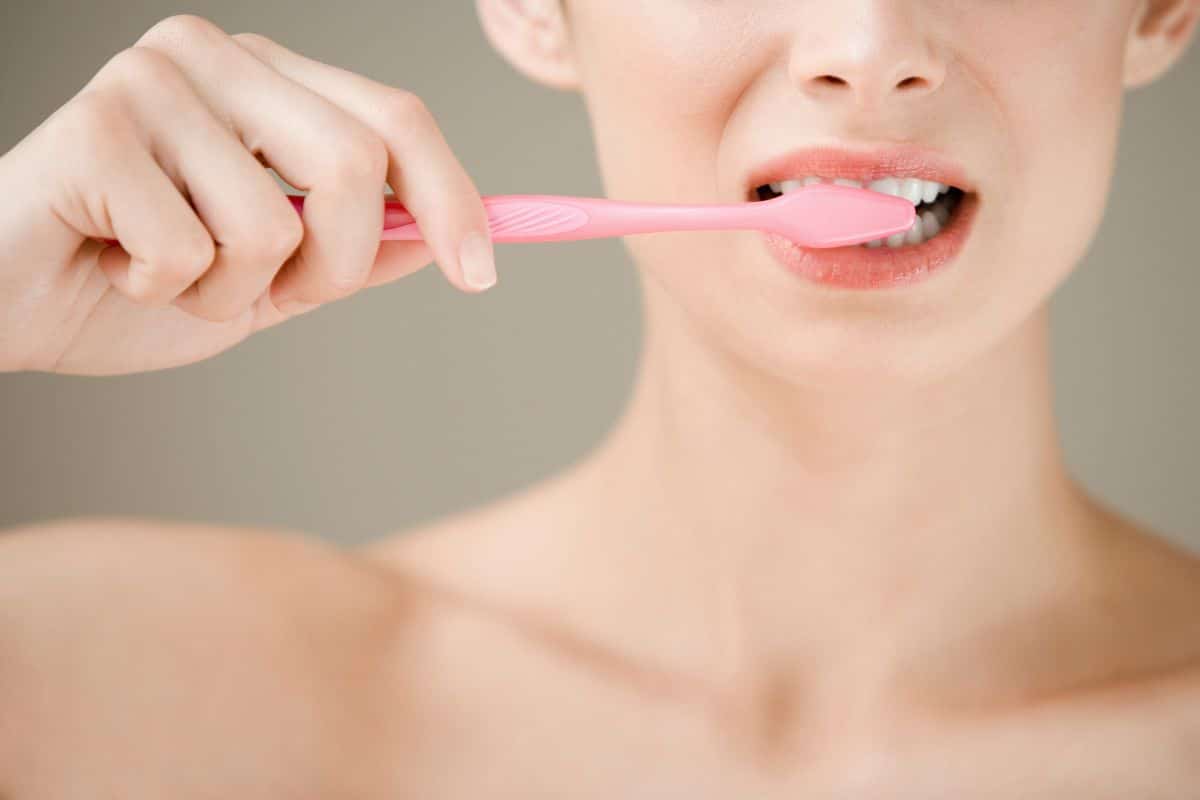
Why Brushing Alone Might Not Prevent Cavities
September 12, 2025
Brushing your teeth twice a day is something you’ve likely heard since childhood. It is the most common advice given for keeping cavities away. But what if brushing alone isn’t enough? Many people who brush regularly still find themselves sitting in a dental chair, wondering what went wrong. If that sounds familiar, keep reading. A dentist in Seattle can advise that brushing is just one part of a much bigger picture when it comes to preventing tooth decay.
Brushing Is Not A Complete Cavity Prevention Plan
Brushing is your first line of defense, but it does not cover all aspects of oral hygiene. Cavities can still form in areas your toothbrush cannot reach or in conditions brushing alone cannot address. These spots are difficult to clean, even with the best brushing technique. Flossing and rinsing are essential to stop bacteria from causing cavities in these hidden spaces.
To learn more about what causes cavities and how daily oral hygiene habits can impact your risk, read our guide on the common causes of tooth decay.
Food Particles And Bacteria Can Hide Between Teeth
Brushing does not effectively clean the spaces between your teeth. Food particles can get trapped in these tight areas, giving harmful bacteria the chance to thrive. Over time, this leads to plaque buildup and eventually tooth decay. Flossing daily removes this debris, helping you avoid cavities that start between teeth, which are often missed by your toothbrush.
Acidic And Sugary Diets Can Undermine Brushing
Even if you brush regularly, a diet high in sugar and acidic foods can still damage your enamel. Every time you consume sugar, the bacteria in your mouth produce acids that attack the tooth surface. If these acids are not neutralized, they create weak spots that can become cavities. Rinsing your mouth with water after meals and limiting sugary snacks are small changes that can significantly impact.
Saliva Deficiency Reduces Natural Protection
Your mouth has a built-in defense system, saliva. It helps neutralize acids and clear food particles. However, people with dry mouth, whether from medication, age, or health conditions, are more susceptible to tooth decay. If you notice persistent dryness, brushing alone will not offset the higher risk. Hydration, sugar-free gum, and medical evaluation may be necessary to support saliva production.
Overbrushing And Using The Wrong Technique
Sometimes, people brush too aggressively or with a hard-bristle toothbrush, thinking they are doing a better job. In reality, overbrushing can wear down your enamel and cause gum recession. Both issues make it easier for cavities to form. Use a soft-bristled toothbrush and gentle, circular motions to clean your teeth effectively without causing harm.
Regular Dental Cleanings Are Essential
No matter how well you brush, plaque can still harden into tartar, which can only be removed by a dental professional. Skipping routine cleanings gives cavities the perfect opportunity to develop unnoticed. That’s why visiting a dentist in Seattle for professional cleanings and exams is one of the best defenses against tooth decay.
Hidden Areas Your Toothbrush Cannot Reach
There are certain areas in your mouth that your toothbrush cannot clean well, such as the grooves on the chewing surfaces of your molars or just below the gumline. These places can become a hotspot for bacteria and plaque buildup. Using additional tools like interdental brushes, floss picks, or water flossers can help you clean these tricky spots.
Cavities Can Develop Without Pain
One of the most misleading aspects of tooth decay is that it often does not hurt until it is serious. You might feel like everything is fine because your teeth do not ache, but cavities can form silently. Routine checkups help catch these issues early before they become painful, complex problems.
Oral Hygiene Products Vary in Effectiveness
Not all toothpaste or mouthwash products are created equal. Using products with fluoride helps strengthen enamel and resist acid attacks. However, relying solely on brushing, even with quality toothpaste, still falls short if the rest of your oral care routine is incomplete.
Lifestyle Habits Can Impact Your Risk
Smoking, high stress levels, or inconsistent hygiene habits can reduce your body’s ability to fight off bacteria in the mouth. Even if you brush daily, these habits can make you more prone to cavities. Addressing these lifestyle factors can significantly reduce your overall dental risk.
Take Control Of Your Oral Health With Professional Preventive Care
Brushing is the key to maintaining a healthy mouth, but it cannot do all the work independently. Factors like diet, technique, flossing, and regular professional cleanings play essential roles. If you are concerned about your oral health, a Seattle dentist would advise you to take a more complete approach. At our clinic, we believe in proactive care. When you visit our dental office, you get personalized guidance and effective care tailored to your needs. So, why wait for a cavity to become a problem? Schedule an appointment at First Hill Dental Center – Dr. Singh DMD and let us help you maintain a healthier, brighter smile.